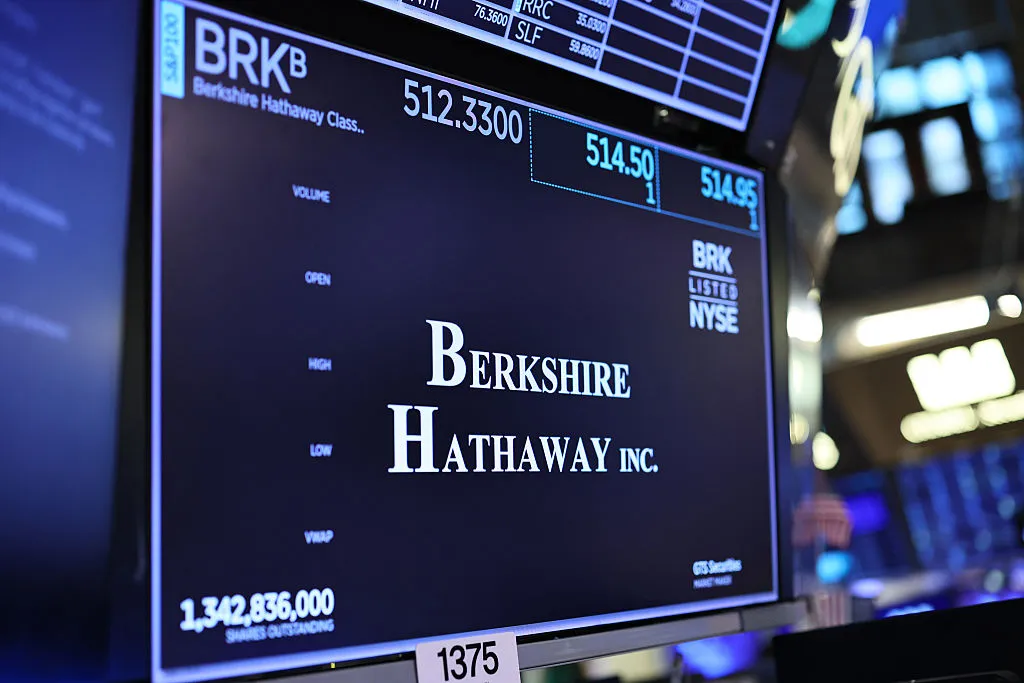
Warren Buffett's Berkshire Hathaway is sitting on approximately $344 billion in Treasury bills, according to its most recent earnings report. This staggering sum raises an obvious question: why isn't one of the world's most successful investment firms deploying this capital into stocks? The answer matters far more for everyday investors than most realize, because it offers a masterclass in financial prudence that Main Street would be wise to follow.
A Treasury bill is fundamentally a short-term loan to the U.S. government with terms ranging from four to 52 weeks. You invest money, earn interest, and get your principal back guaranteed upon maturity. That guarantee—the certainty of recovering your full investment—simply doesn't exist in the stock market. While stocks can outperform T-bills significantly, they can equally well lose significant value over a short period of time. Berkshire's massive T-bill position isn't a lack of confidence in equities; it's a recognition that maintaining financial flexibility sometimes trumps maximum returns.
The genius of Berkshire's strategy lies in its practicality. The firm maintains a large cash cushion precisely because it maintains optionality—the ability to pursue new investment opportunities when they emerge. Keeping $344 billion in a checking account earning less than 1% annual percentage yield would be fiscally irresponsible. Treasury bills, by contrast, offer substantially higher yields while preserving the liquidity needed to act decisively when markets present genuine opportunities.
For individual investors, the lesson is clear: Berkshire's example validates a diversified cash strategy. You can start investing in T-bills with just $100 through TreasuryDirect. But you needn't stop there. High-yield savings accounts and certificates of deposit allow you to spread money across products offering different rates and accessibility. HYSAs and money market accounts provide access to your cash when needed, while CDs, like Treasury Bills, have maturity dates that lock in rates.
One additional advantage shouldn't be overlooked: the tax treatment. Interest from Treasury Bills faces federal taxation but remains exempt from state and local taxes—a meaningful distinction for residents of high-tax areas like New York and California, far less so for Floridians and others in states with zero income taxes. This tax efficiency adds another reason why sophisticated investors like Berkshire favor Treasuries for cash management.
Berkshire Hathaway's $344 billion in T-bills isn't defensive timidity. It's disciplined capital management. The company deploys funds deliberately, not merely for deployment's sake. If that philosophy makes sense for one of history's greatest investors, it certainly merits consideration in your own financial strategy.