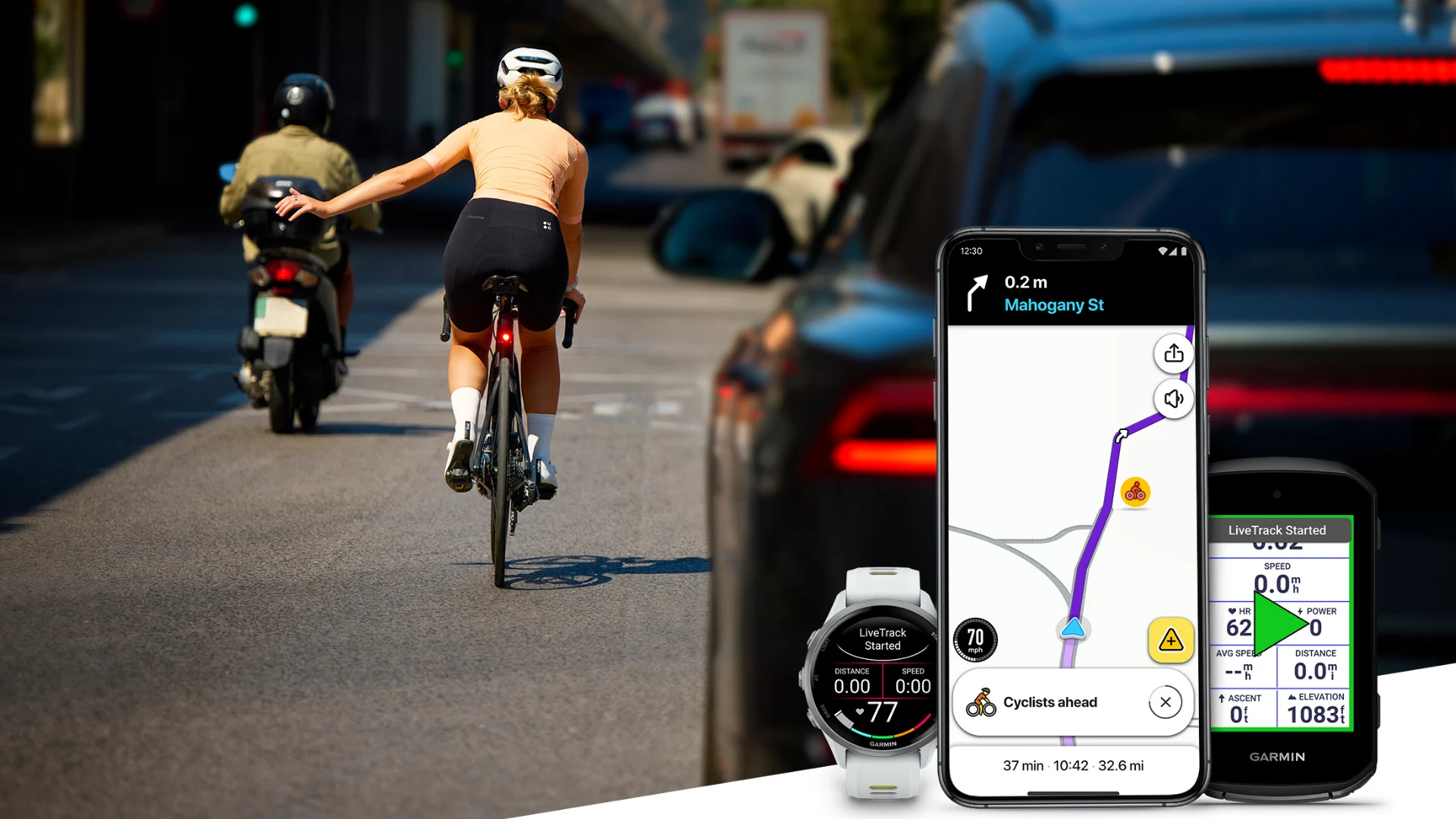
Garmin's new feature allowing cyclists to appear as live, moving icons on Waze sounds like a genuine safety breakthrough. Riders who opt in through Garmin Connect can now alert nearby drivers to slow down and watch for them on the road—all at no cost, with their identity and route kept anonymous. For cyclists already using compatible Garmin Edge bike computers or Garmin watches, the appeal is obvious: an extra layer of awareness on roads where drivers may not expect two-wheeled traffic.
But here's where the optimism hits reality. This feature only works on Waze, which means your safety depends on drivers using one specific app. Google Maps has far more users, yet the report explicitly states it is excluded from this collaboration. That's a massive blind spot. A large portion of the drivers you share the road with simply won't see you this way, no matter how faithfully you opt in through Garmin Connect. You could be broadcasting your location to a fraction of the traffic around you while believing you've solved a problem you haven't.
Then there's the infrastructure problem. Your position travels from your Garmin to your phone, then to Garmin's servers, then to Waze, finally reaching the driver's phone. That's a lot of handoffs. On patchy rural signal—exactly where cyclists often need the most help—a few seconds of lag could put your icon on the wrong side of a bend from where you actually are. Worse, if you leave your phone at home or lose signal, you won't show up on any Waze map at all. A ride without a data connection is invisible to Waze, according to the report.
The real concern is that this feature risks becoming a false sense of security. The report itself warns: treat this as an extra perk, not a guarantee. It isn't a replacement for bike lights, bright clothing, and defensive riding. That's the most important sentence in the entire announcement. Cyclists shouldn't assume that opting in through Garmin Connect absolves them of responsibility for making themselves visible and predictable on the road.
Garmin and Waze deserve credit for attempting to bridge the gap between cyclists and drivers. The feature is free, the privacy protections are solid, and any tool that increases driver awareness helps. But this isn't the safety revolution it appears to be. It's a useful supplement for Waze users in areas with good cell signal—nothing more. Until Google Maps gets involved and signal reliability improves, cyclists need to keep relying on the fundamentals that have always worked: visibility, predictability, and defensive riding.