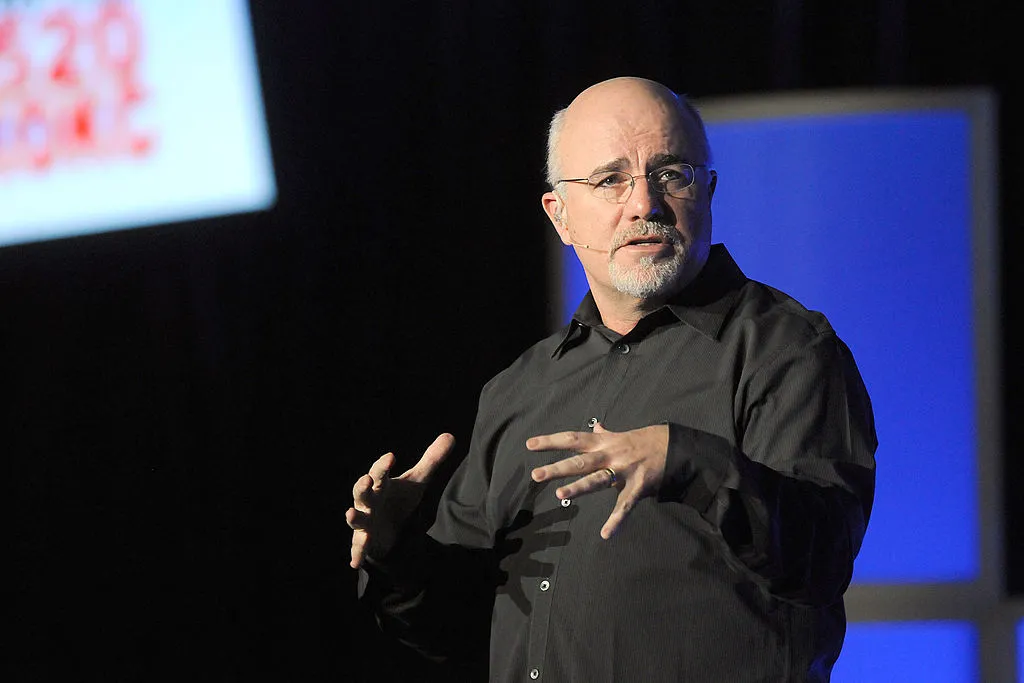
Retirees carrying debt face monthly payments that eat into limited savings, but paying off high-interest debt before retiring is achievable using steps financial advisor Dave Ramsey recommends.
Freeze new borrowing by adjusting your lifestyle. Cut non-essential spending like dining out or expensive vacations. Review essential costs for groceries, gas, and utilities to find ways to negotiate lower rates. Consider a side hustle or part-time job for a few years to accelerate debt payoff. People in their 50s have less time for wealth to compound, making aggressive debt reduction more urgent.
Build a budget using an app like Monarch or YNAB, or use a spreadsheet. This lets you designate specific money for debt payments and limit spending on non-essentials. Financial advisors recommend building an emergency fund covering three to six months of living expenses so you don't borrow again if an unexpected expense occurs.
Choose a debt payoff strategy. The debt avalanche method prioritizes high-interest balances first, usually credit card debt, then tackles the second-lowest rate, then the third-lowest, and so on. This minimizes total interest paid. The snowball method pays off your smallest balance first regardless of interest rate. This builds momentum and can motivate you to stick with the plan.