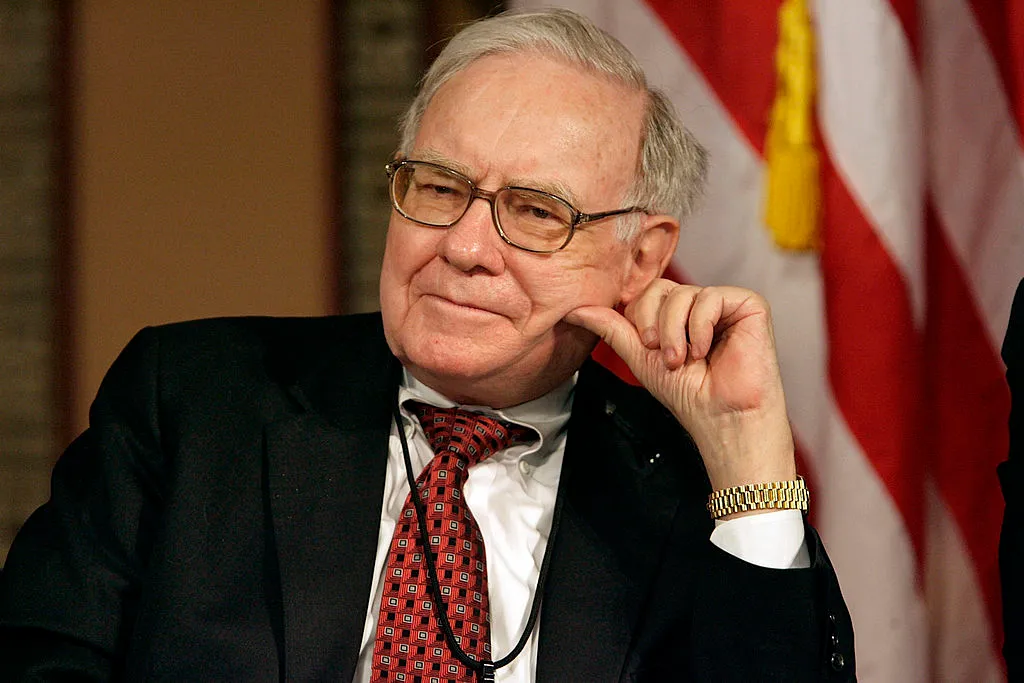
Warren Buffett's core retirement principle centers on long-term investing and letting compound interest power your portfolio. As your balance grows, compound interest means your assets do much of the work for you. Buffett stays invested in productive assets and does not sell due to short-term volatility and market noise.
Fear of running out of money in retirement has become more apparent in recent years due to longer life expectancies and higher inflation. You have to stretch your money across more years as it continues to lose purchasing power. That's why you need assets that can outperform inflation and compound over time.
An all-cash approach carries inflation risk. But investing every penny comes with its own risk: you may end up forced to sell assets during a market correction to cover living expenses.
The best asset allocation depends on your goals, risk tolerance and time horizon. Sensible asset allocation gives you enough cash to cover living expenses in the short term, so you do not have to sell during down markets. This balance lets investors capitalize on growth opportunities while maintaining a solid cash buffer.
For example, some risk-averse investors may prefer putting money into dividend stocks they will not need for the next three to seven years and put the rest into growth stocks. Investors more keen to take risks may opt to have enough cash to cover one year of expenses, money in income-producing assets they will not need in the next three years, and the rest of their funds going toward growth stocks. You can adjust your allocation gradually based on changes to your risk tolerance.