The article argues that most people are not eating too much protein, despite frequent media claims suggesting otherwise.
The recommended daily allowance (RDA) for protein is set as a minimum to prevent malnutrition, not a maximum. The RDA is 0.36 grams per pound of body weight, which equals 46 grams per day for a 125-pound woman and 56 grams per day for a 154-pound man. No upper limit for protein consumption has been officially defined.
Current intake exceeds these minimums. Adult men average 90 to 100 grams of protein daily, while women average around 70 grams. However, the average American man weighs 200 pounds and the average American woman weighs 171 pounds. At these weights, their RDAs would be 72 grams and 62 grams respectively. Most people are only 8 to 28 grams above their individual minimums.
Several groups benefit from consuming more than the RDA. About 50 percent of women and 30 percent of men age 71 and older fall short of protein food recommendations, according to the Dietary Guidelines. Older adults who don't meet recommendations show more difficulty with daily activities like stooping, standing for long periods, and walking stairs. Pregnant and lactating people need 0.5 grams of protein per pound of body weight instead of 0.36 grams, or about 86 grams per day for a 171-pound person. People who exercise also benefit from higher protein intake than the RDA.
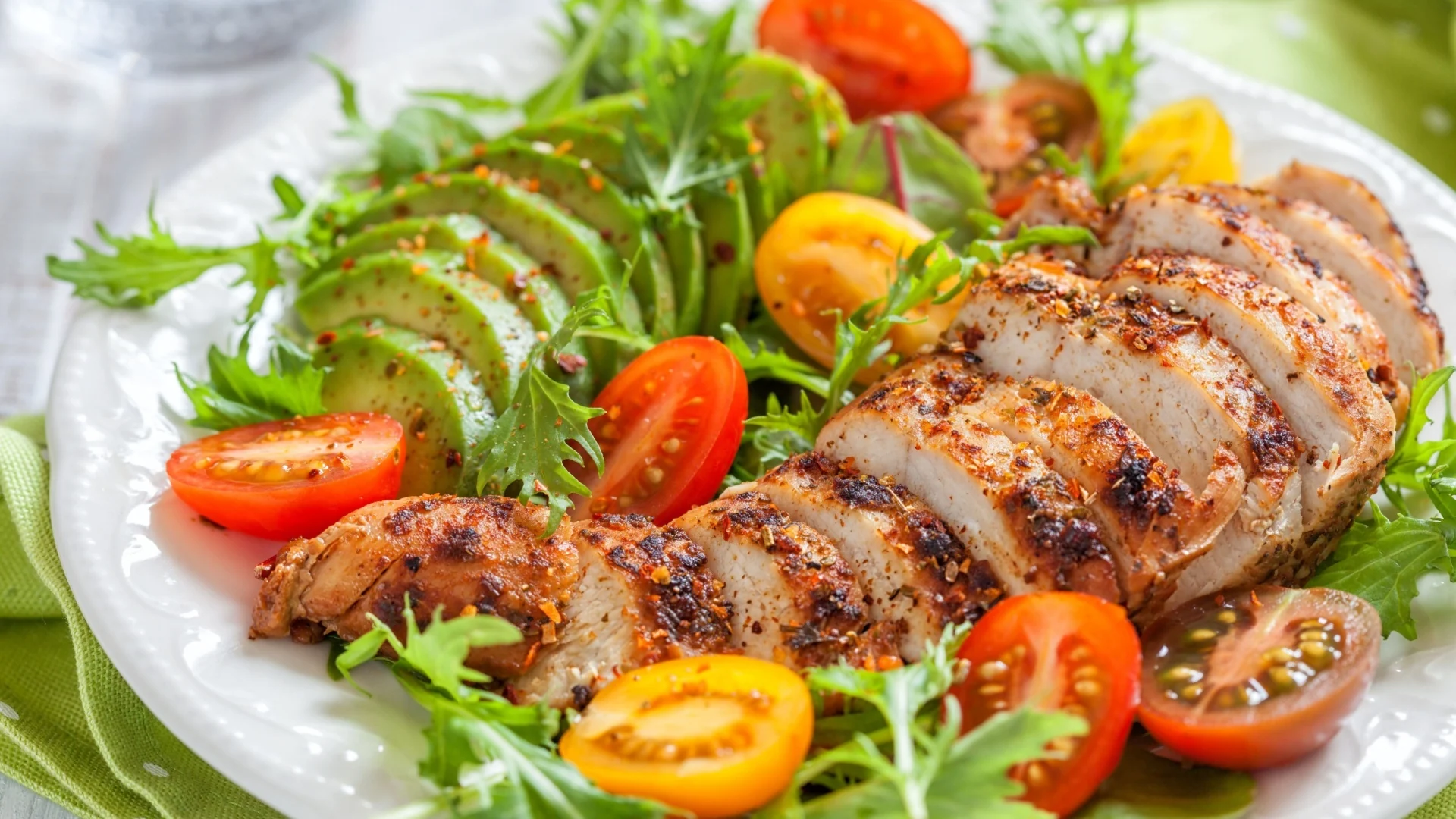
Protein sources include animal products like chicken (35 grams per breast) and milk, as well as plant-based foods like beans, grains, and tofu.