# The Sneaky Social Security Scams Targeting Retirees in 2026 — And the One Rule That Keeps You Safe
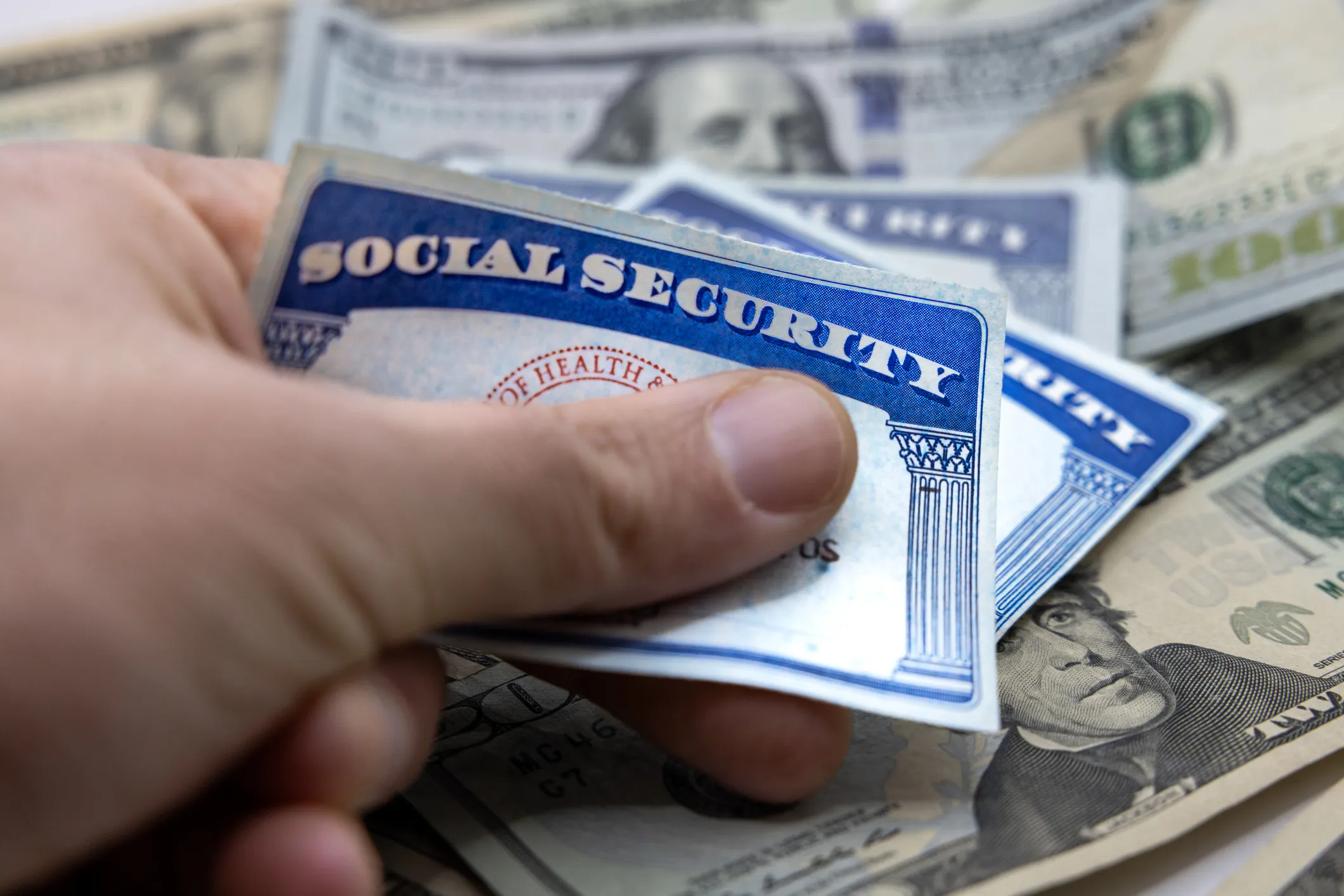
Scammers impersonate the Social Security Administration through phone calls, texts, letters, and social media messages. They can spoof caller ID to falsify the phone number you see. They also create official-looking fake websites designed to pressure you into acting quickly, often claiming your Social Security number was "suspended" due to criminal activity and demanding immediate payment.
The Social Security Administration says it legitimately contacts people by phone only in specific situations: when they recently applied for a benefit, already receive payments and need a record update, or requested a phone call from the agency. The SSA typically uses mail, not phone calls, to address problems with a Social Security number or record.
The real SSA will never threaten legal action, demand money to activate a cost-of-living adjustment, pressure you to share sensitive information, message you via social media, or demand secrecy about a conversation. If you receive a suspicious call, hang up immediately and call the SSA directly rather than using any phone number the caller provides.
You can verify whether a website or email is legitimate by checking the URL and email address. The SSA's Office of Inspector General maintains a scam-alert page describing ongoing schemes.
Report scams to the Social Security OIG by visiting its website or calling its fraud hotline at 1-800-269-0271. Report identity theft to the Federal Trade Commission through its identity theft reporting tool.
Using a strong password and multi-factor authentication helps protect your accounts. Monitor your monthly benefits and bank statements to catch unauthorized activity.