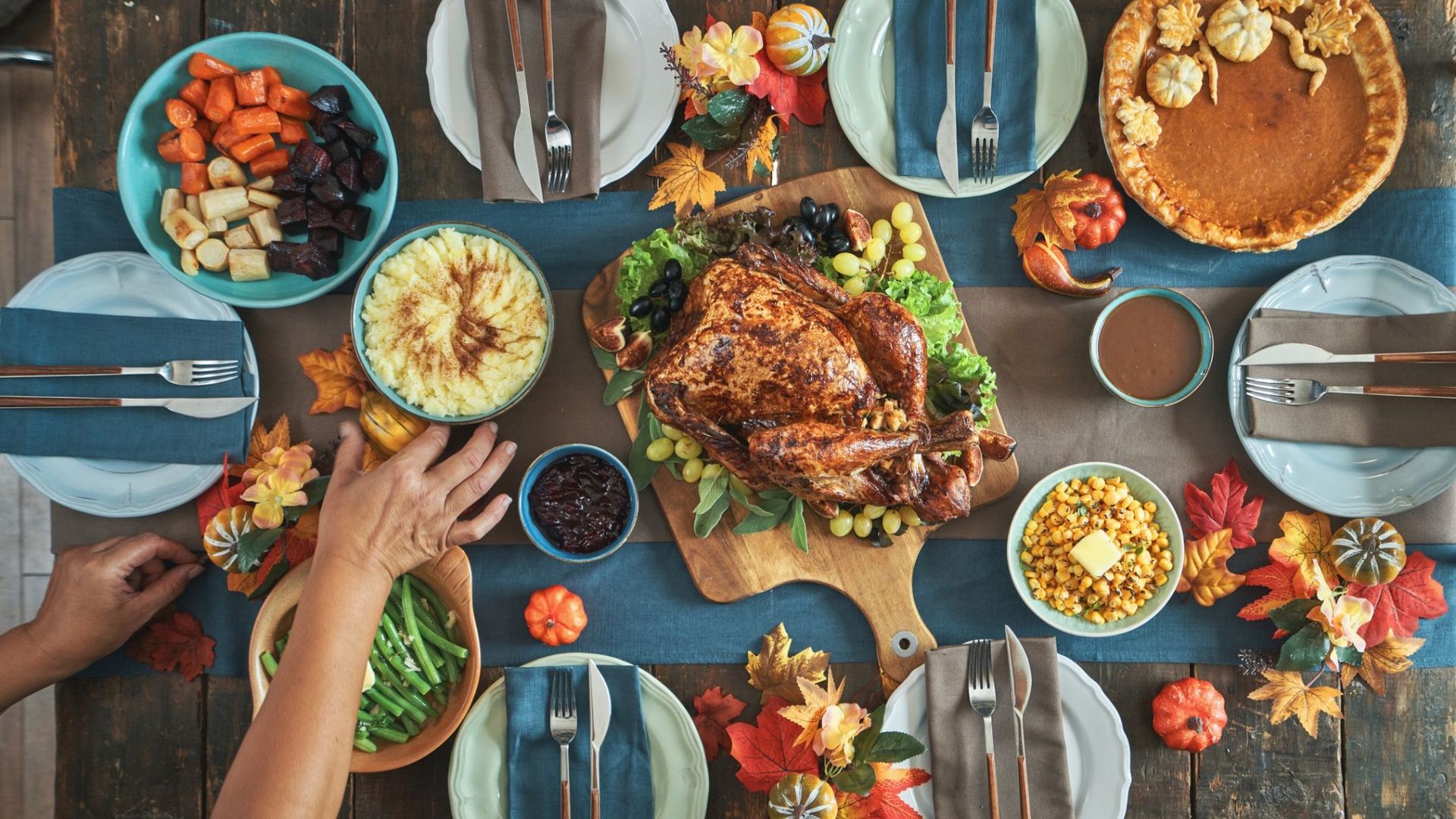
# Thanksgiving Dinner for Under $50: How to Stretch Your Budget Across Major Retailers
Holiday meal planning on a tight budget just got easier. Major grocers including Aldi, Lidl, Target, and Kroger are competing for your Thanksgiving dollar in 2026 by offering complete dinner packages priced under $50.
The math matters here. A traditional Thanksgiving meal for a family of four typically runs between $50 and $70 when you buy items separately. These bundled deals flatten that cost significantly, making the holiday affordable without sacrificing the classics: turkey, stuffing, cranberry sauce, pie, and vegetables.
Aldi leads the budget grocery space with lean pricing on its entire Thanksgiving lineup. The German discounter controls costs by offering fewer SKUs per category and maintaining lower overhead than conventional supermarkets. Expect turkey prices at or below $1.50 per pound during Thanksgiving week at Aldi locations nationwide. Their complete meal package includes a fresh turkey, side dishes, dessert components, and shelf-stable staples like canned gravy and broth.
Lidl, another European discount chain expanding in the United States, competes directly on price. Lidl's Thanksgiving bundles emphasize fresh produce and quality proteins without premium markups. Their deals often undercut conventional grocers by 15 to 25 percent on identical items.
Target takes a different approach. Rather than selling discrete meal packages, Target coordinates deals across its grocery section and partners with prepared-food vendors to offer semi-finished sides. This flexibility appeals to cooks who want control over portions and quality levels while maintaining the budget ceiling.
Kroger, operating hundreds of stores across the South and Midwest, bundles items through its private-label brand offerings. Kroger customers with loyalty cards unlock additional savings through digital coupons and personalized offers that can push total meal costs even lower.
The critical ingredient for success: comparison shopping. A $50 budget requires strategy. Whole turkeys cost less per pound than turkey breasts. Frozen vegetables undercut fresh produce by 30 to 40 percent. Store-brand cranberry sauce and pie filling match name brands in quality while costing half as much.
Timing matters too. Early shopping, starting in late October, secures inventory before peak demand depletes stock. Many grocers lock in their lowest turkey prices three to four weeks before Thanksgiving, banking on volume purchases to offset razor-thin margins on poultry.
Prepare a spreadsheet comparing unit prices across retailers before checkout. One grocer's turkey deal might save $10, but another's produce pricing could trim another $8. These differences compound. The shopper who visits three stores strategically often saves 20 percent versus shopping one convenient location.
Store-brand items represent the easiest savings lever. Aldi's turkey, stuffing mix, and desserts all carry identical nutritional profiles to national brands. Target's Good and Gather line and Kroger's Simple Truth products deliver quality at lower prices because they skip marketing expenses that inflate brand-name prices.
Don't overlook secondary retailers. Discount grocers like Aldi and Lidl offer the deepest cuts on core proteins and staples. Conventional supermarkets like Kroger win on produce variety and prepared sides. Target bridges the gap with reasonable pricing and convenient location density.
A $50 Thanksgiving requires sacrificing neither tradition nor taste. Comparison shopping across Aldi, Lidl, Target, and Kroger turns a holiday budget into a strategic advantage rather than a constraint.