# On Affordability: Can a Politician Make Your Groceries Cheaper?
Politicians running for office routinely promise to make everyday costs cheaper. Candidates pitch solutions for housing, health care, utilities, and groceries, claiming their policies will ease the burden on household budgets. The question facing voters remains simple but complex: can politicians actually deliver lower prices at the grocery store and elsewhere?
The answer depends on understanding how prices work. Grocery costs reflect a chain of factors. Commodity prices fluctuate based on supply, weather, global demand, and transportation expenses. Labor costs matter. Retail margins matter. Distribution costs matter. A single politician, even a president, controls none of these directly.
What politicians can influence falls into narrower lanes. They can adjust tariffs, which affect import prices. They can regulate certain industries. They can modify tax policy or spending. They can influence interest rates indirectly through Federal Reserve appointments. But even these levers produce delayed effects and messy outcomes. A tariff aimed at protecting domestic producers might raise consumer prices instead.
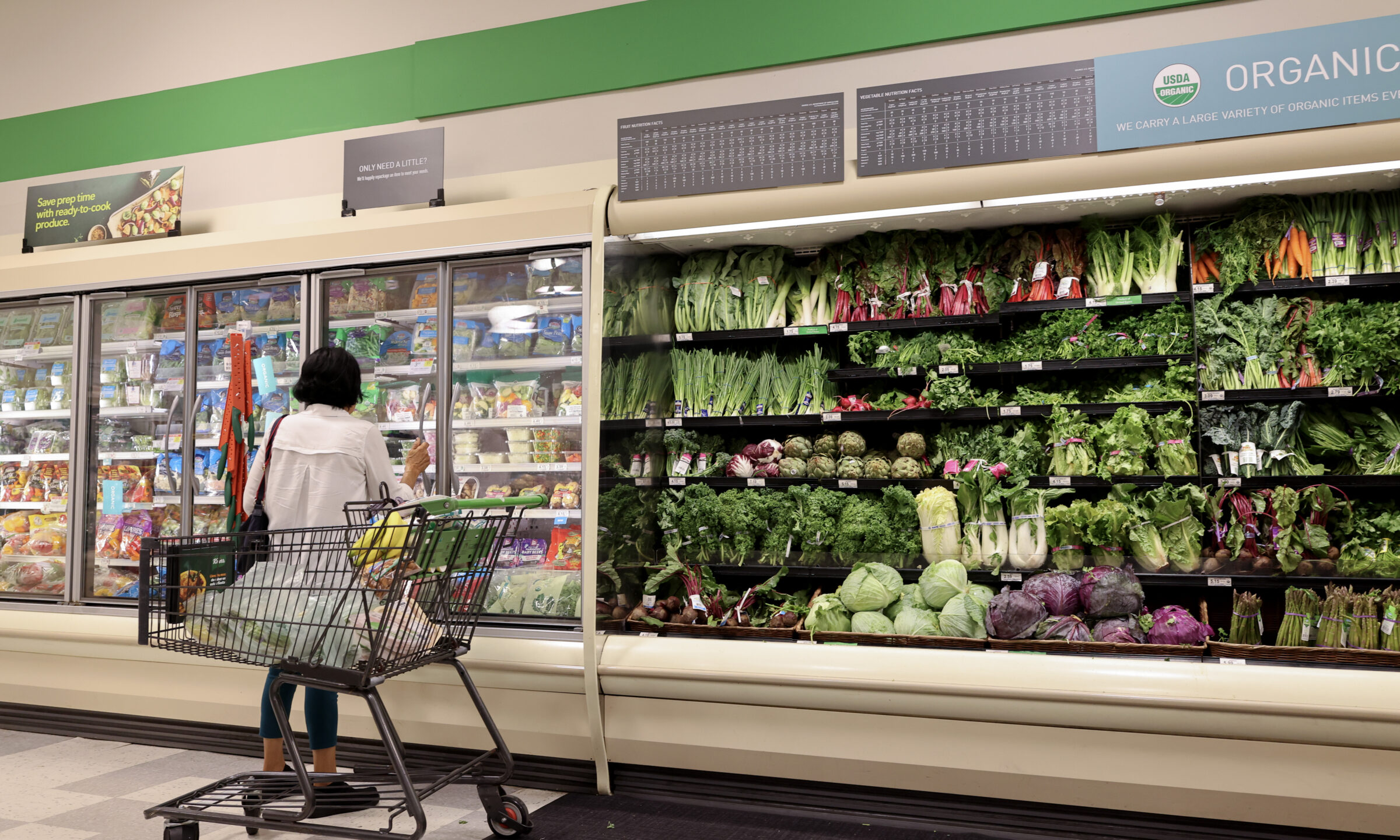
Take groceries specifically. Food prices track inflation broadly. When the Federal Reserve raises interest rates to fight inflation, borrowing costs rise for everyone, from farmers buying equipment to retailers managing inventory. Lower rates do the opposite. But this works over months and years, not weeks. Campaign promises of immediate price relief rarely materialize on that timeline.
Housing affordability relies on interest rates, local zoning laws, construction labor availability, and land costs. A federal candidate has little direct control over local zoning. Healthcare affordability depends on insurance regulation, pharmaceutical pricing, hospital consolidation, and labor shortages in nursing and medicine. Utilities pricing reflects regional fuel costs, aging infrastructure, weather patterns, and regulatory choices made years before.
Some policy tools do work. Temporarily suspending gas taxes, as some governors have proposed, does lower pump prices immediately. Rent control can slow housing cost growth, though economists debate its long-term effects. Food assistance programs like SNAP directly reduce what low-income households spend on groceries. These are real tools with measurable impacts.
But voters should separate temporary relief from structural affordability. A gas tax holiday drops prices for three months. It doesn't fix why gas costs so much. Subsidizing groceries temporarily doesn't make farming cheaper long-term. What actually moves the needle on affordability takes years: building more housing, training more health care workers, upgrading utility infrastructure, improving agricultural efficiency.
Politicians who promise quick fixes on affordability are oversimplifying. Those who outline multi-year plans tied to specific policy mechanisms, infrastructure investment, or regulatory change offer more credible promises. Look for proposals naming what they'll change and how that change reduces costs. Beware candidates offering broad promises without mechanics attached.
The honest answer to whether a politician can make groceries cheaper: partly yes, in limited ways, over limited timeframes. But permanent affordability improvements require structural changes that outlast any single political term. Voters evaluating affordability promises should demand specifics, timelines, and realistic assessments of what government can actually control versus what moves on its own.