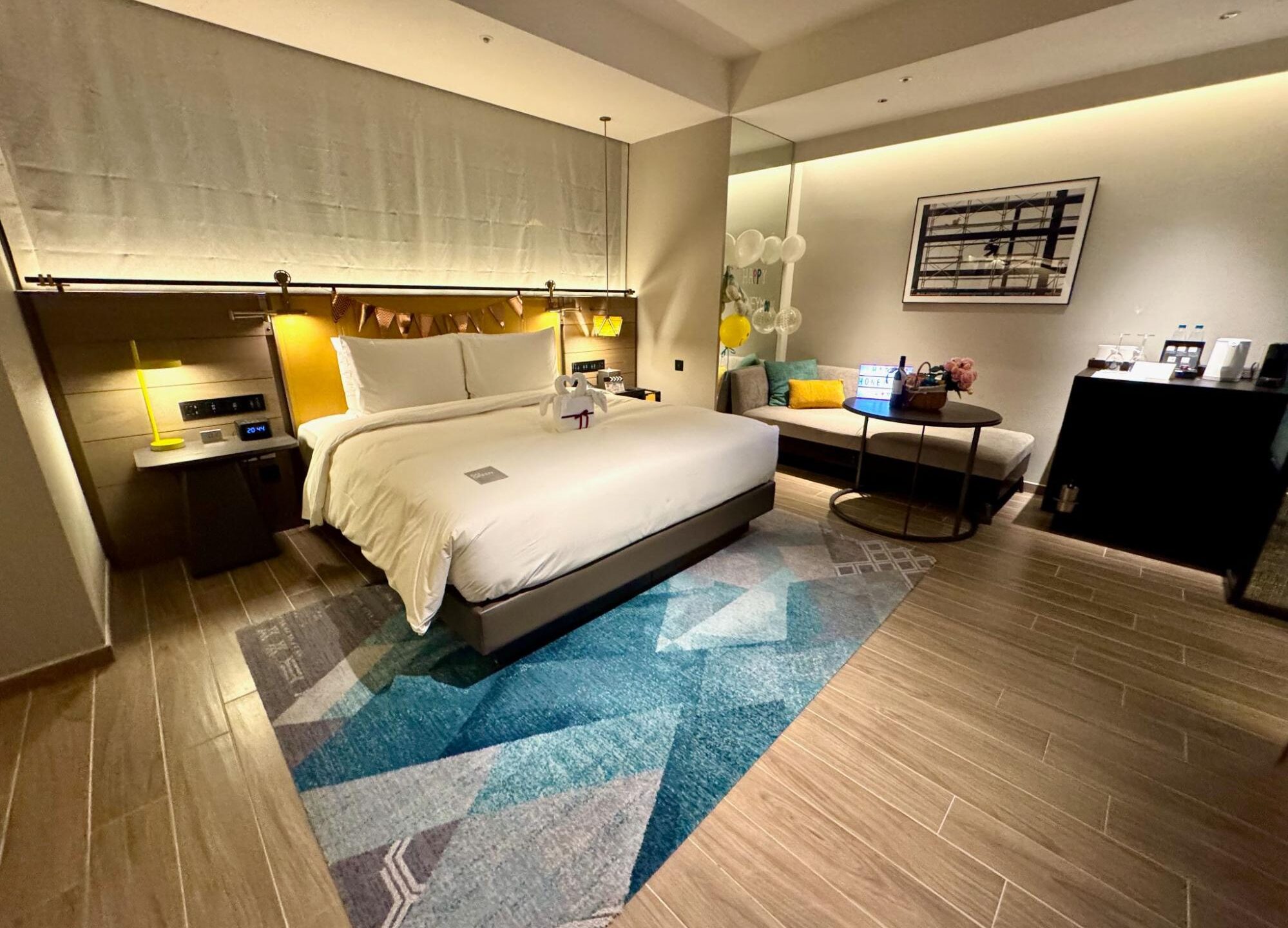
# A Hilton Brand That Doesn't Feel Like Home
Hilton operates dozens of hotel brands, each targeting a different traveler. The portfolio spans from budget-conscious guests at Hampton Inn to luxury seekers at Conrad or Waldorf Astoria. But one brand in the middle of that range appears to be losing its identity.
The piece explores a Hilton property that no longer delivers the experience its brand promise suggests. This matters for loyalty program members and frequent travelers who book based on brand expectations rather than individual property reviews.
Hilton's strategy involves segmentation. Each brand targets specific customer needs and price points. Hampton Inn serves economy travelers. Hilton Garden Inn reaches business travelers. The luxury tiers (Conrad, Waldorf Astoria, LXR) cater to high-end vacationers. This approach works when each property maintains brand standards.
When a hotel fails to deliver its brand experience, it undermines the entire system. A traveler booking a Hilton-branded property expects consistent service, amenities, and value. Inconsistency erodes trust in the brand itself, not just that single property.
For rewards members, this creates a real problem. Hilton's loyalty program offers elite benefits tied to brand status. If a branded property doesn't feel like the brand, members waste nights on stays that don't match expectations.
The issue hints at operational challenges across Hilton's massive portfolio. Franchising makes consistency harder. Franchisees operate independently, setting their own service standards within brand guidelines. Some properties maintain high standards. Others cut corners.
This doesn't mean every Hilton property is problematic. Many deliver excellent value and service. But travelers should approach brand promises skeptically. Check recent reviews before booking. Elite status matters less if the property itself doesn't perform.
For those considering Hilton membership, diversification helps. Split stays