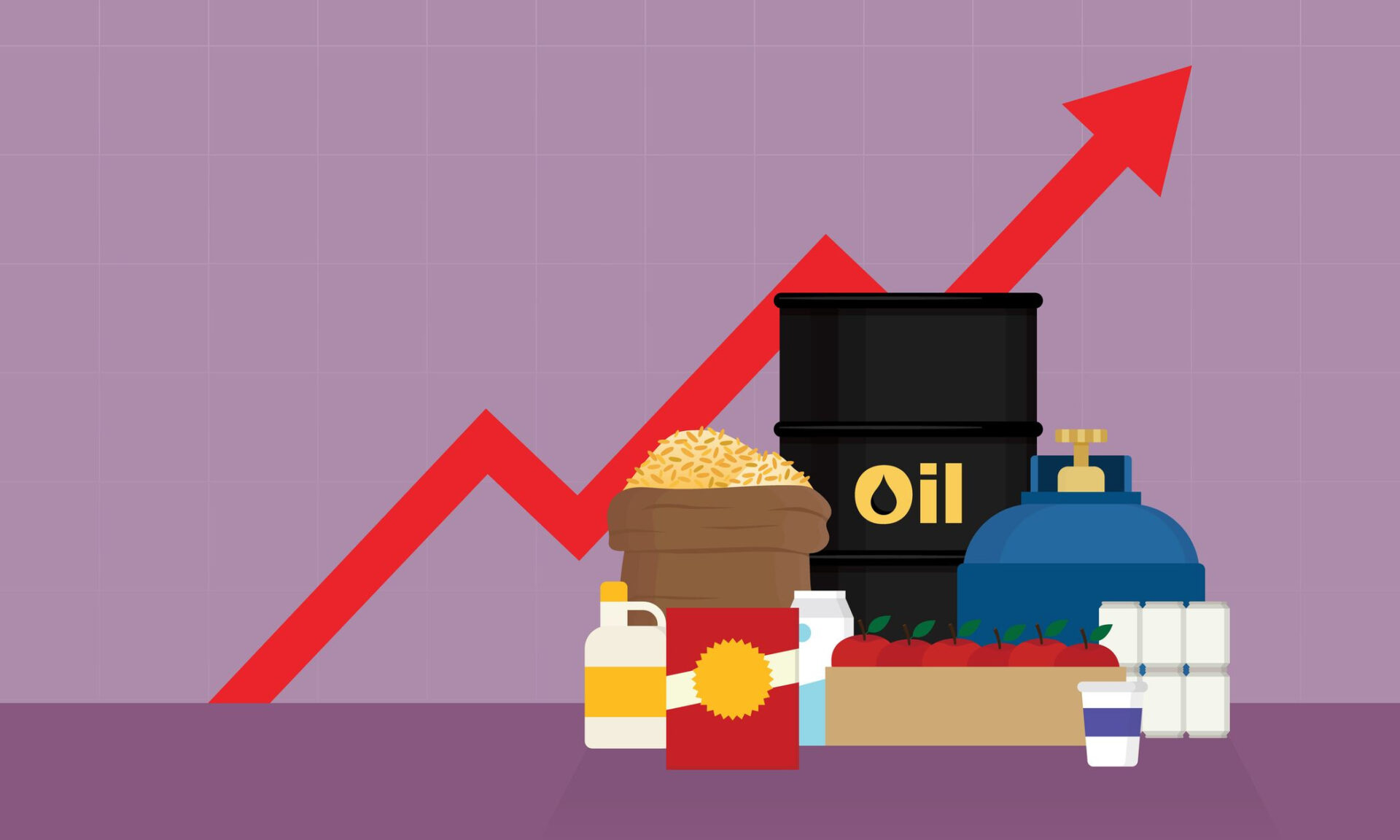
Persistent inflation wears down even the most disciplined budgeters. After months of watching grocery bills climb, gas prices spike, and rent demands grow, many people hit a wall. Motivation crumbles. The constant mental math of comparing prices and cutting corners exhausts you faster than the actual spending cuts.
This exhaustion is real. Your brain treats financial stress like physical stress, triggering fatigue that makes decision-making harder. When you're burned out, you're more likely to abandon your budget entirely or make impulsive purchases that derail your goals.
The fix starts with lowering the bar temporarily. You don't need a perfect budget during inflationary periods. Instead, focus on your top two or three spending categories where inflation hits hardest. For most households, that means groceries, transportation, and housing. Leave other categories on autopilot while you concentrate your energy where it counts.
Automate what you can. Set up automatic transfers to savings accounts and bill payments. This removes daily decision-making burden. You're not choosing to save every single day; the system does it for you. Apps like YNAB, EveryDollar, or even your bank's native budgeting tools handle routine tracking.
Find one small win and build from there. Maybe you switch to a cheaper phone plan and save $15 monthly. That's $180 yearly. The psychological boost from one concrete victory often reignites motivation better than sweeping budget overhauls.
Track fewer metrics. Stop obsessing over every expense. Instead, watch just one or two key numbers: total monthly spending and savings rate. Less monitoring means less mental burden.
Accept that your budget may shift upward during inflationary cycles. Your income might not keep pace, but your costs will rise regardless. Giving yourself permission to spend slightly more on necessities reduces the guilt that fuels burnout.