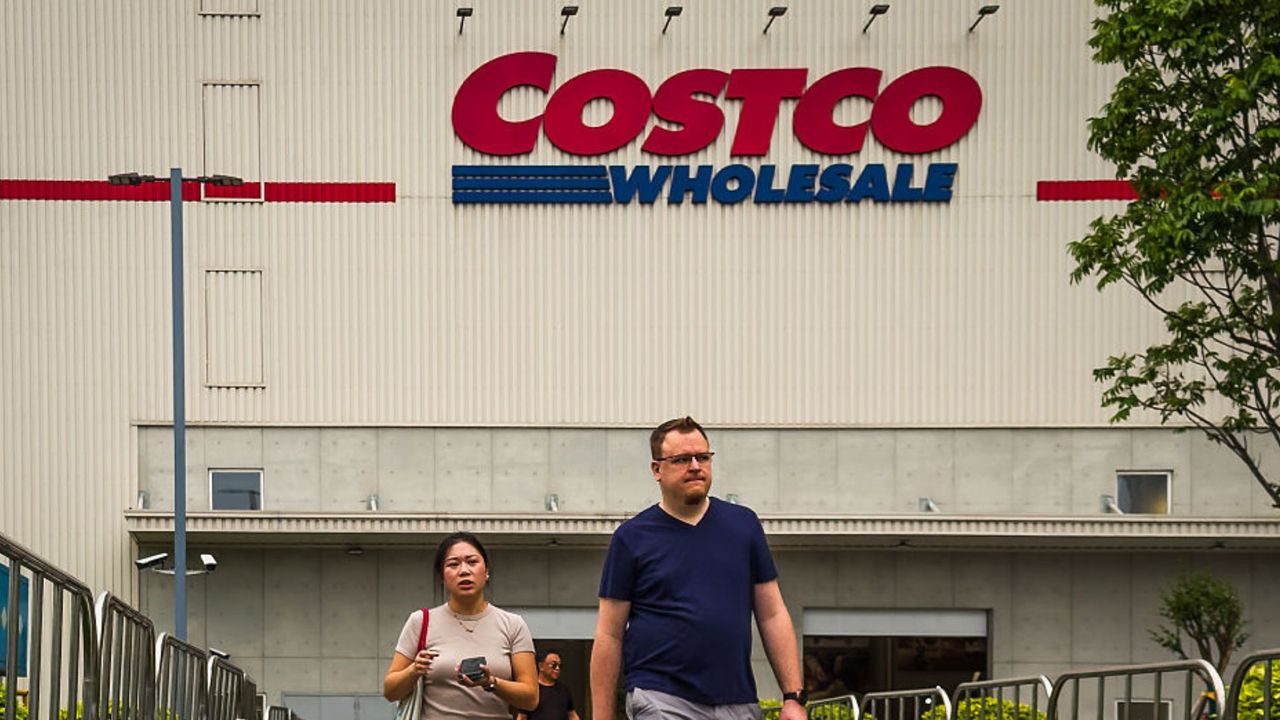
Costco has slashed prices on multiple Kirkland Signature private-label products, signaling the warehouse club's willingness to compete on cost as inflation pressures persist. The retailer did not specify which exact items received price cuts in its announcement, but the move reflects Costco's strategy to maintain member value during economic uncertainty.
Costco executives suggested additional price reductions could arrive soon across their Kirkland line. This matters because Kirkland products typically undercut national brands by 20 to 40 percent, making further cuts a direct benefit to the roughly 70 million Costco members worldwide. For budget-conscious shoppers, Kirkland items span groceries, household essentials, vitamins, and clothing.
The price cuts come as warehouse clubs face intensifying competition from traditional grocers and discount chains like Walmart and Amazon. Costco's membership model allows the company to operate on thinner margins than competitors, giving it flexibility to reduce prices without sacrificing profitability. The 2 percent fee Costco charges manufacturers to stock products helps fund these aggressive pricing strategies.
Industry analysts see this move as Costco's response to slowing consumer spending and elevated operating costs. With inflation cooling but remaining above historical averages, shoppers continue prioritizing discounts over brand loyalty. Private-label products like Kirkland offer Costco the best tool to attract deal-seekers.
For members paying the standard $65 annual fee for a Gold Star membership, lower Kirkland prices amplify the value proposition. Bulk purchases at reduced prices stretch household budgets further. The warehouse model still requires buying larger quantities than supermarkets, but steeper discounts offset the upfront cost for families buying staples regularly.
Costco has historically used price cuts on high-volume items to drive foot traffic and membership renewals. Staple products like milk, eggs,