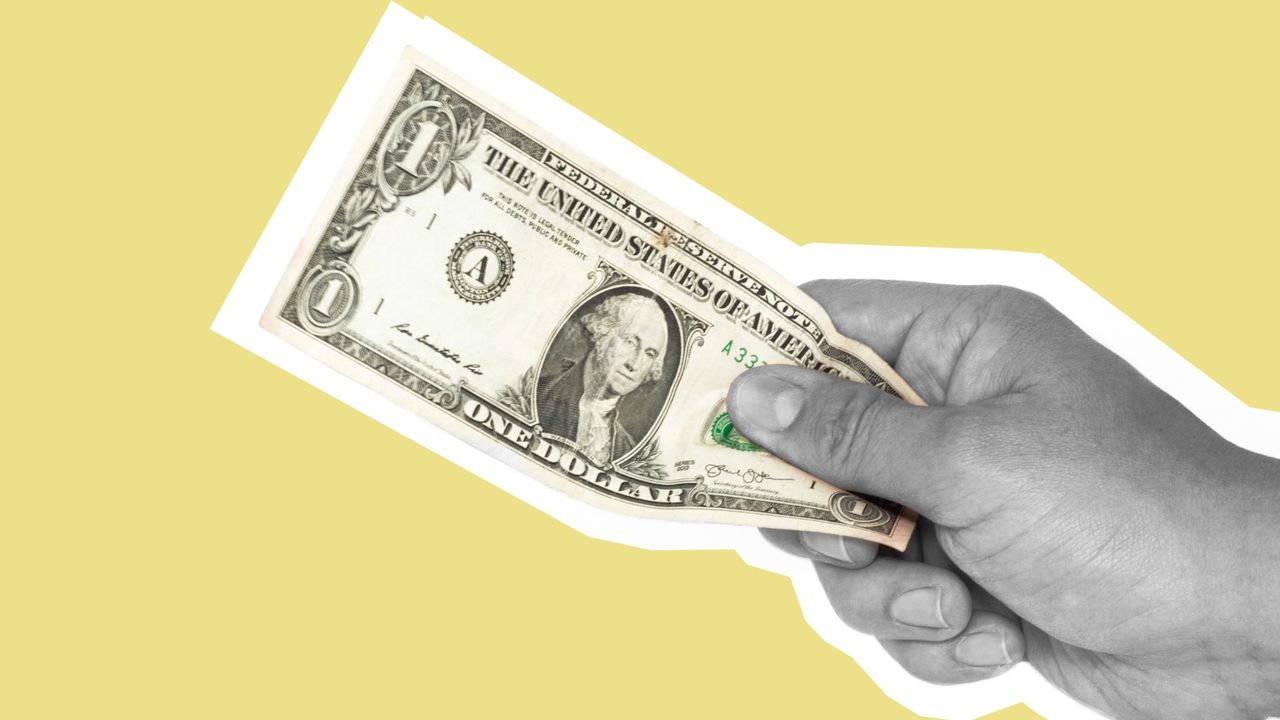
Inflation has quietly reset the price of everyday services you probably tip for. A valet tip that used to feel right at $1 now triggers guilt at that amount. The same awkward math applies to parking attendants, coffee shop baristas, coat check workers, and delivery drivers. Your mental price list, formed years ago, no longer matches reality.
This disconnect reflects genuine economic shifts. Wage growth has outpaced overall inflation in service industries. Workers expect compensation that reflects current living costs. Yet most people anchor their tipping decisions to outdated benchmarks, creating the familiar moment of hesitation at the payment screen.
The valet example illustrates the broader pattern. Five to ten years ago, $1 felt standard. Today, $2 to $5 is more realistic depending on your region and service quality. Tipping anxiety spikes because you're comparing present-day requests against a price list your brain locked in during a cheaper era.
This affects more than just small transactions. Childcare costs have surged faster than wages in many regions. Full-time nanny services and daycare centers now command rates that shock parents who haven't hired these services recently. A parent returning to work after several years away discovers their mental estimate was low by thousands of dollars annually.
The solution involves deliberate updating. Check current rates before tipping scenarios. Ask colleagues what they leave for valets in your area. Look at actual childcare quotes rather than relying on what a friend paid three years ago. Use restaurant apps and delivery services as data points. Your mental price list updates fastest when you gather real numbers.
This pattern also signals something broader about inflation's psychological weight. You don't feel the full impact of rising costs all at once. Instead, it hits in small surprises across dozens of daily choices. Each moment of tipping hesitation or sticker shock represents a tiny adjustment to your spending assumptions.
The dis