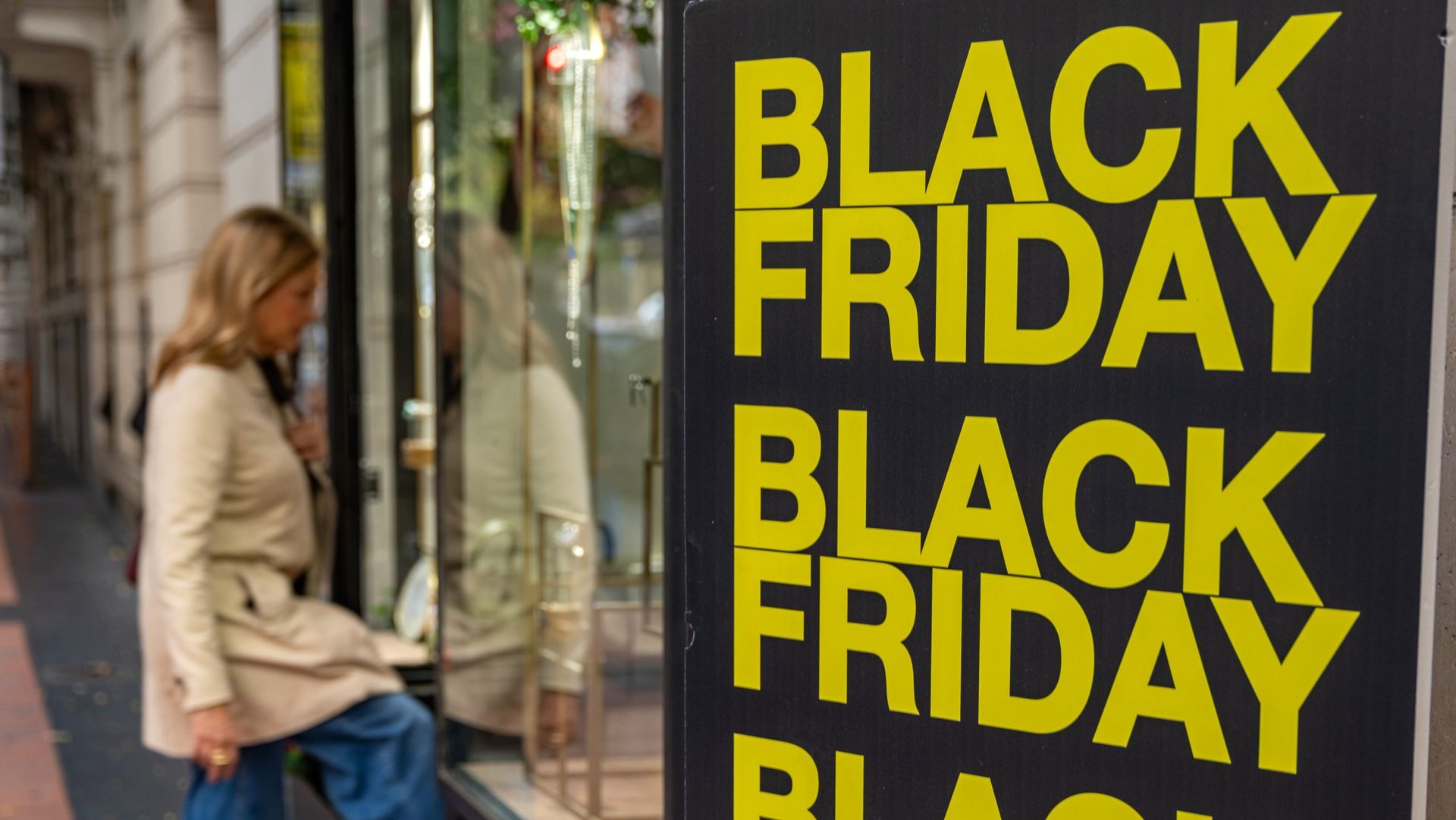
Studies found that 33% of Black Friday deals last year were not actually cheaper than regular prices. Visualping tracked 1,500 products and found that one-third were cheaper before Black Friday, and those fake deals averaged 37% more expensive than the product's lowest observed price. Wallethub's separate study on Amazon found that 36% of advertised Black Friday items were no cheaper than before the sale.
Retailers use two main tactics to create misleading discounts. Some bloat the list price, keeping items on sale for more than half the year so the Black Friday price matches the regular deal price. Others raise prices temporarily in the months before the sale, then discount them back to previous levels and advertise the discount percentage from the inflated price.
Luggage deals were the worst offenders, with 61% of Black Friday deals being misleading. Games and hobbies had 43% misleading deals. Home and appliances and tech and electronics each had 33%. Jewelry, apparel, and consumer packaged goods had the fewest misleading deals.
Since 67% of deals were legitimate last year, real savings exist if you shop carefully. Use price tracker tools like CamelCamelCamel or Keepa to verify whether Black Friday prices are actually lower than year-round prices. Take advantage of price adjustment policies at retailers like Costco, which refunds price drops within 30 days, or Target, which allows refunds within 14 days (or through December 24 for items bought between November 1 and December 24). Only purchase items you would buy at full price. Make a list before shopping to avoid spending money on unnecessary purchases.