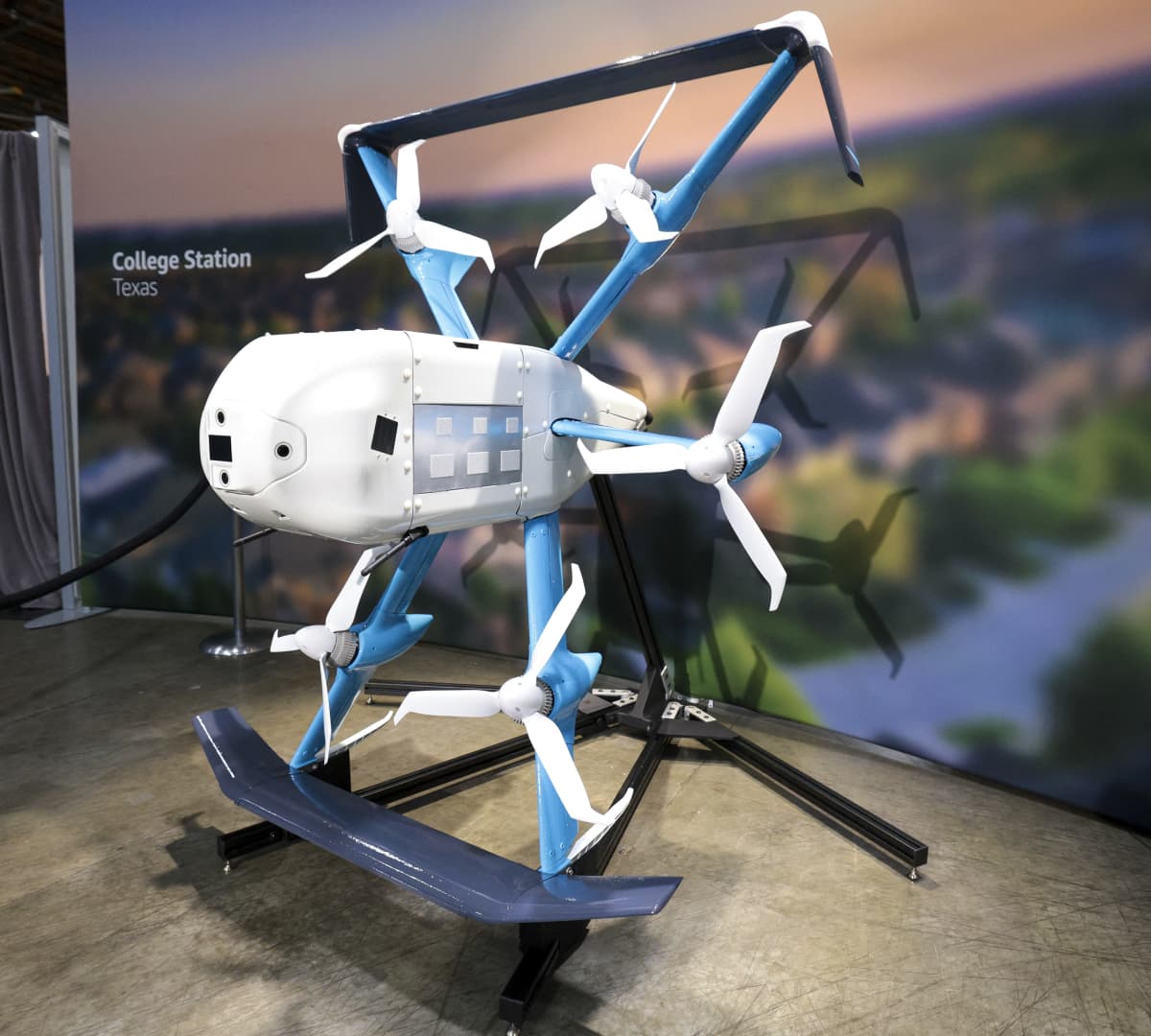
Amazon's vision of delivering shampoo by drone is colliding with hard truths about safety and infrastructure. On Friday, one of the company's MK30 drones crashed into a resident's garage in Huntington Woods, Michigan, after completing a delivery around 4:30 p.m. local time. The incident wasn't a minor stumble—the drone struck a fiber cable, became entangled in power lines during takeoff, and damaged one of its propellers. Now the Federal Aviation Administration is investigating, and reasonably so. This is what happens when a company moves faster than its technology can safely handle.
What's particularly troubling is that this is not Amazon's first rodeo with disaster. Nearly one year ago, federal investigators opened a probe after an Amazon drone downed an internet cable in Waco, Texas. One month before that, another federal investigation was launched into an incident near Phoenix where two Amazon drones collided with a construction crane. The pattern is becoming impossible to ignore: Amazon's drone delivery service leaves a trail of damaged infrastructure and regulatory headaches in its wake.
Amazon spokesperson Jack Stelzner insists there were no injuries and that 'safety is our top priority' and that 'incidents are extremely rare.' He also claims the company investigates every mishap to improve the service. But with multiple federal probes in progress and a crash rate that keeps triggering investigations, the evidence suggests otherwise. When your drone delivery service requires the FAA to keep opening investigation files, 'extremely rare' rings hollow.
The company is aggressively expanding despite these setbacks, targeting a launch in 500 U.S. cities and towns by the end of the year while claiming to operate the 'highest demand drone delivery service in the industry.' That's a staggering rollout schedule for a system that continues to strike fiber cables and power lines. Speed to market should never trump safety, particularly when the failures involve critical infrastructure that entire communities depend on.
The National Transportation Safety Board is currently gathering information and hasn't yet determined whether to open a formal probe into this latest incident. That decision should be easy: this crash warrants investigation, and so should Amazon's overall safety record. Before the company floods 500 cities with delivery drones, regulators need to ensure these machines can operate without damaging critical infrastructure or endangering residents. Amazon's founder may have envisioned drone delivery nearly 13 years ago, but vision without competent execution is just expensive wreckage waiting to happen.