A record early breakdown of the polar vortex occurring alongside an unusually powerful El Niño event is putting pressure on European energy markets this winter, analysts warn.
Meteorologists are observing an unprecedented early collapse of the stratospheric polar vortex, the circulation of strong winds that normally keeps extremely cold air over the North Pole. Changes in the vortex can influence weather patterns lower in the atmosphere, potentially bringing colder weather to Europe and North America. This year, the vortex breakdown coincides with a powerful El Niño event, a climate phenomenon that boosts global temperatures and disrupts rainfall.
The combination raises the risk of prolonged cold spells that could lift heating demand and force European countries to draw down gas reserves faster. Europe's natural gas storage levels started the winter at their lowest level in more than a decade. The International Energy Agency warned that low European storage and limited options in several LNG-importing countries in Asia and South America could intensify competition for cargoes and pressure prices during high demand periods.
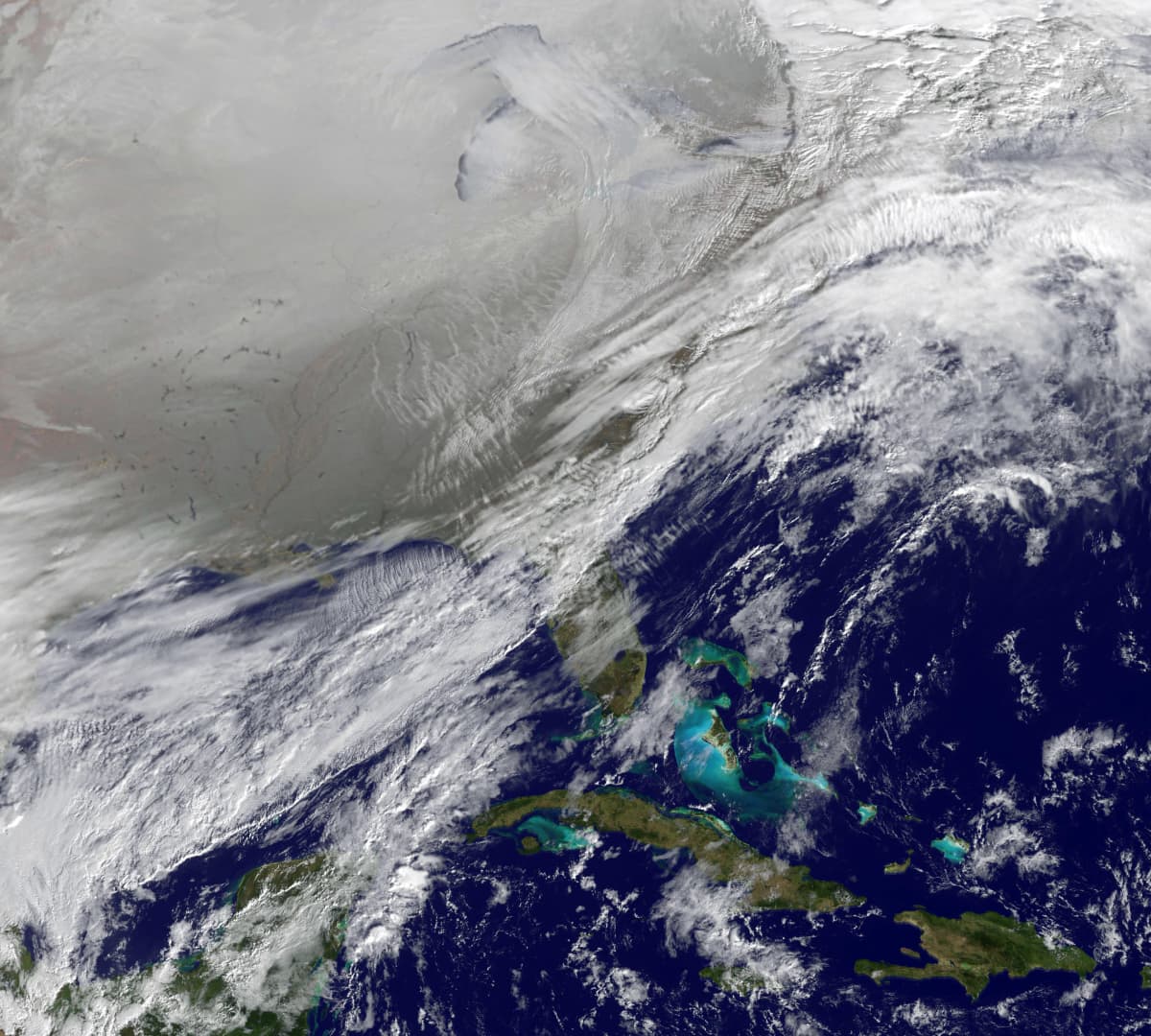
Simon Lee, a lecturer in atmospheric science at the University of St Andrews, said meteorologists had expected a polar vortex breakdown in February, not November. He called the early disruption "extremely rare" and said it could increase the chance of colder conditions in northwest Europe and the eastern U.S., though likely not severe enough to freeze parts of Niagara Falls as happened in January 2014.
"Geopolitics and weather are the two key volatility drives for energy and now they seem to be happening at the same time — and that's always the biggest risk for markets," Florence Schmit, senior energy strategist at Rabobank, told CNBC.
European gas storages have seen "very, very strong withdrawals" over the last two weeks, which is unusual for this time of year. European benchmark Dutch TTF futures for December delivery stood at around 87.28 euros on Friday. Gas prices hit 103.9 euros per megawatt hour in late October, levels not seen since the 2022 energy crisis.
David Lewis, principal research analyst of gas and liquefied natural gas at Wood Mackenzie, said the combination has no historical precedent. "The drawdown in stocks in the first half of November has been amongst the highest on record. With inventories starting the winter at their lowest level on record, any further deterioration in temperatures or wind speeds will have an outsized impact on European balances and lead to higher prices across Europe," Lewis said.