The Bureau of Labor Statistics released the October 2026 Consumer Price Index on November 10, 2026, but the report is missing its typical year-over-year inflation rate. A gap in last year's data caused the problem. The government could not collect October 2025 prices during that year's federal appropriations lapse, leaving no baseline for annual comparisons this month.
Monthly changes still show price movement. All items rose 0.4% seasonally adjusted, down from September's 0.6% increase. Core prices, which exclude food and energy, rose 0.3% for a third straight month.
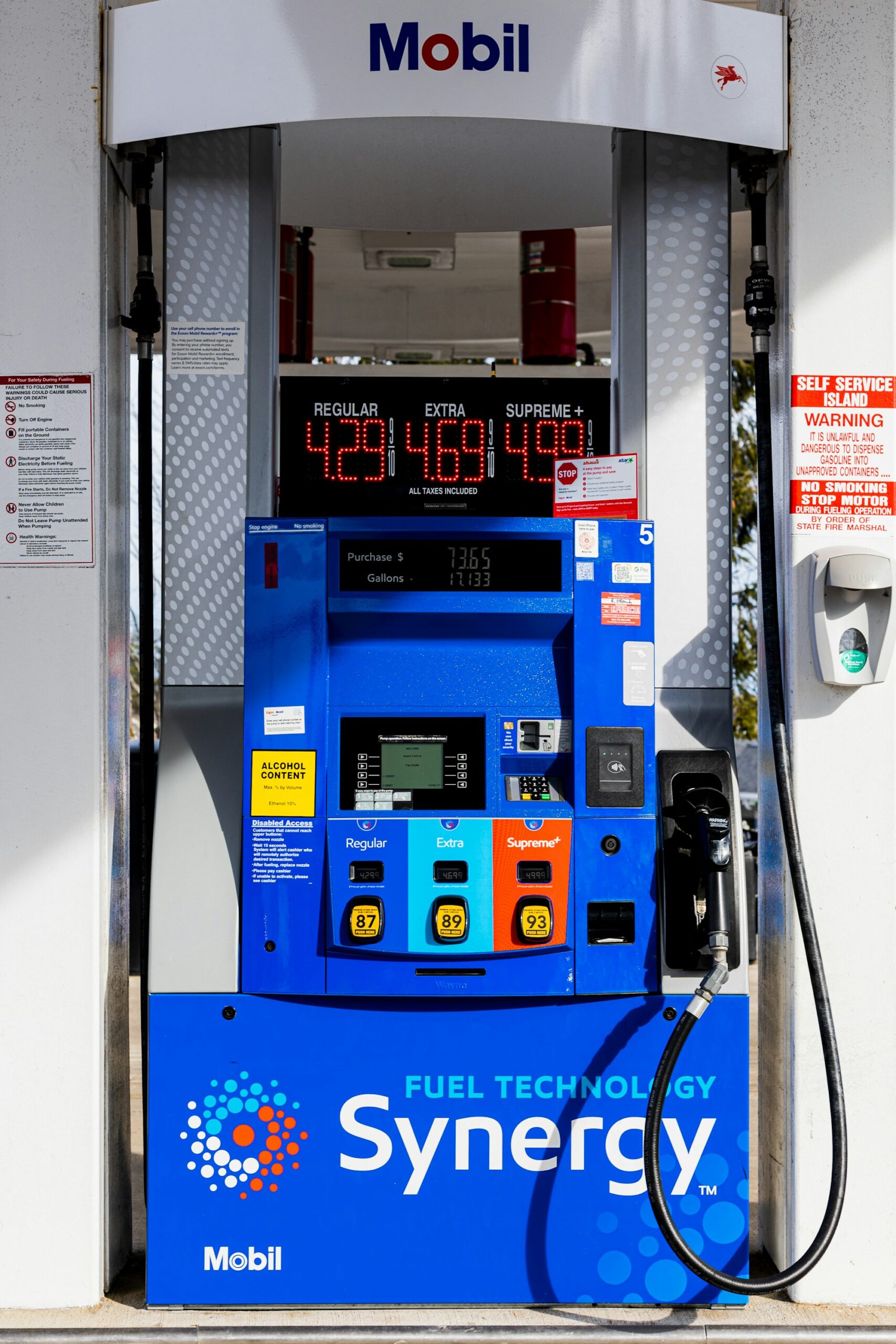
Three categories drove most of the change. Energy costs rose 0.7% for the month, slower than September's 5.2% jump. Gasoline specifically rose 1.0%, following a 9.1% spike in September. Food prices rose 0.5%, the first real increase after holding flat in September. Grocery prices rose 0.4%, while restaurant prices rose 0.5%.
Shelter costs rose 0.3%, slightly slower than September's 0.4% gain. Rent rose 0.2%. Used cars and trucks fell 1.2%, reversing part of September's 0.7% increase. Motor vehicle insurance rose 0.7%, and medical care costs rose 0.3%.
Without the annual comparison, track your own month-to-month spending instead. Pull your last two months of grocery and gas receipts and compare them directly. A 0.5% national grocery increase can look larger or smaller depending on what you actually buy each week.