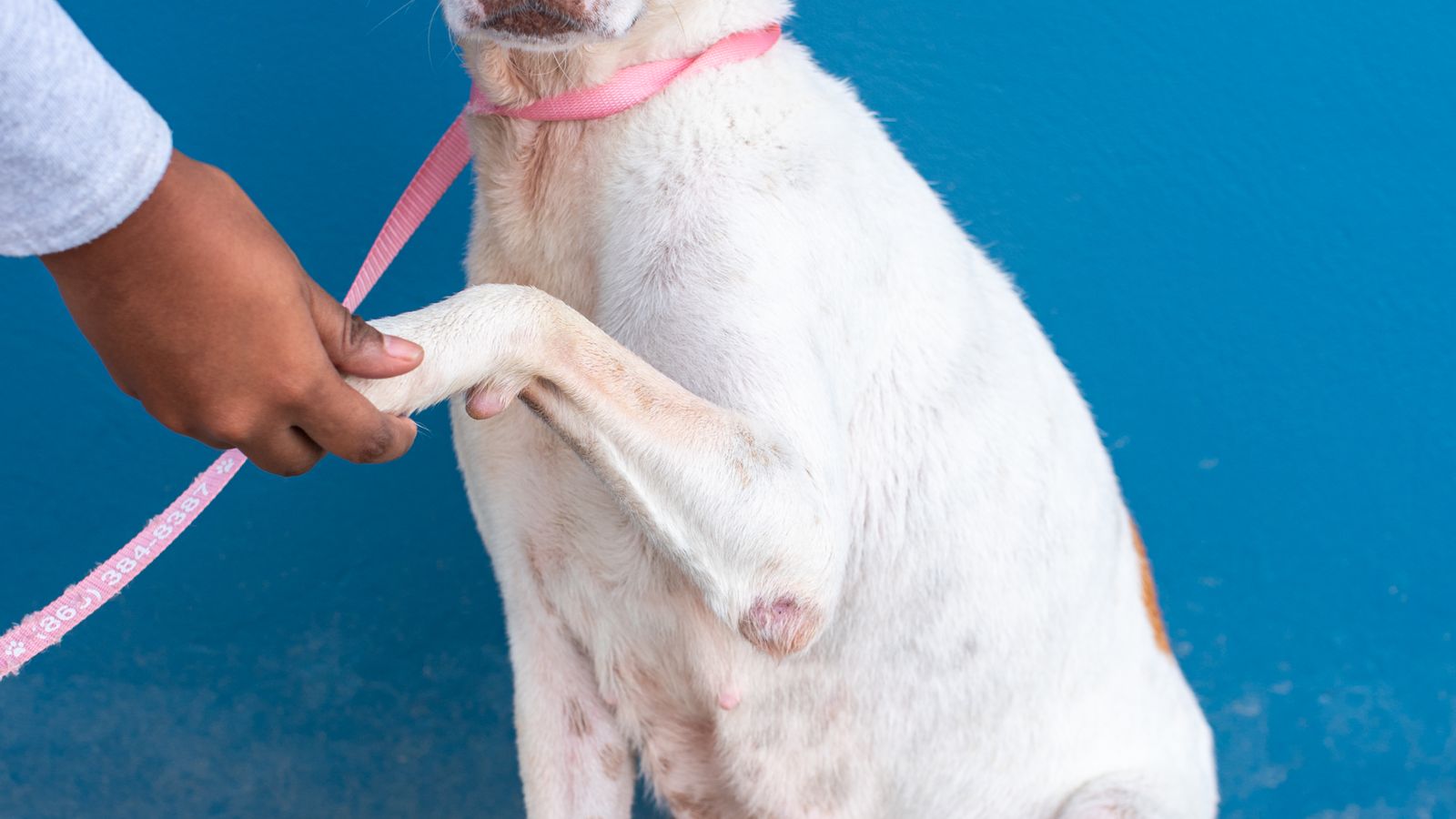
Adopting a dog in your 20s costs about $3,221 in the first year, more than double the $1,391 annual cost in later years, according to the ASPCA. The front-loaded expenses hit hardest when income is still growing and savings are thin.
Adoption fees from shelters run $50 to a few hundred dollars and usually cover vaccines, a microchip, and sometimes spaying or neutering. Supplies like a crate, bed, leash, collar, bowls, toys, and grooming tools add up to several hundred dollars. Many landlords charge pet deposits or monthly pet rent, which can cost more than supplies over a year.
Veterinary care dominates early costs. Puppies need multiple vaccine visits, and any dog needs an initial exam with your own vet. Flea, tick, and heartworm prevention comes in multi-month packs, so you pay for several months at once upfront.
Monthly costs settle into a rhythm after the first few months. Food runs $40 to $100 monthly depending on the dog's size and brand. Dog walkers, daycare, and boarding are often underestimated expenses. A few nights of boarding can cost more than a month of food.
Emergencies pose the biggest risk. Rover's 2026 cost of dog parenthood report shows yearly costs range from $1,460 to $6,745 depending on size, breed, and health. A single vet emergency reaching thousands of dollars can wipe out an emergency fund for someone in their 20s.
If a large vet bill arrives before savings can cover it, a pet care loan works differently from a credit card. You borrow a set amount, receive it as a lump sum, and repay it in fixed monthly payments over a set term. For borrowers with good credit, the interest rate may be lower than a typical credit card APR. Compare rates from multiple lenders and check for soft credit pulls before prequalifying. Borrow only what the treatment costs, and make sure the monthly payment fits your budget.
Before adoption, put away a set amount each month for a few months. This tests whether the payment fits your life and gives your dog a financial cushion from day one. By mid-year, adjust your budget to match what your dog actually costs rather than guessing.