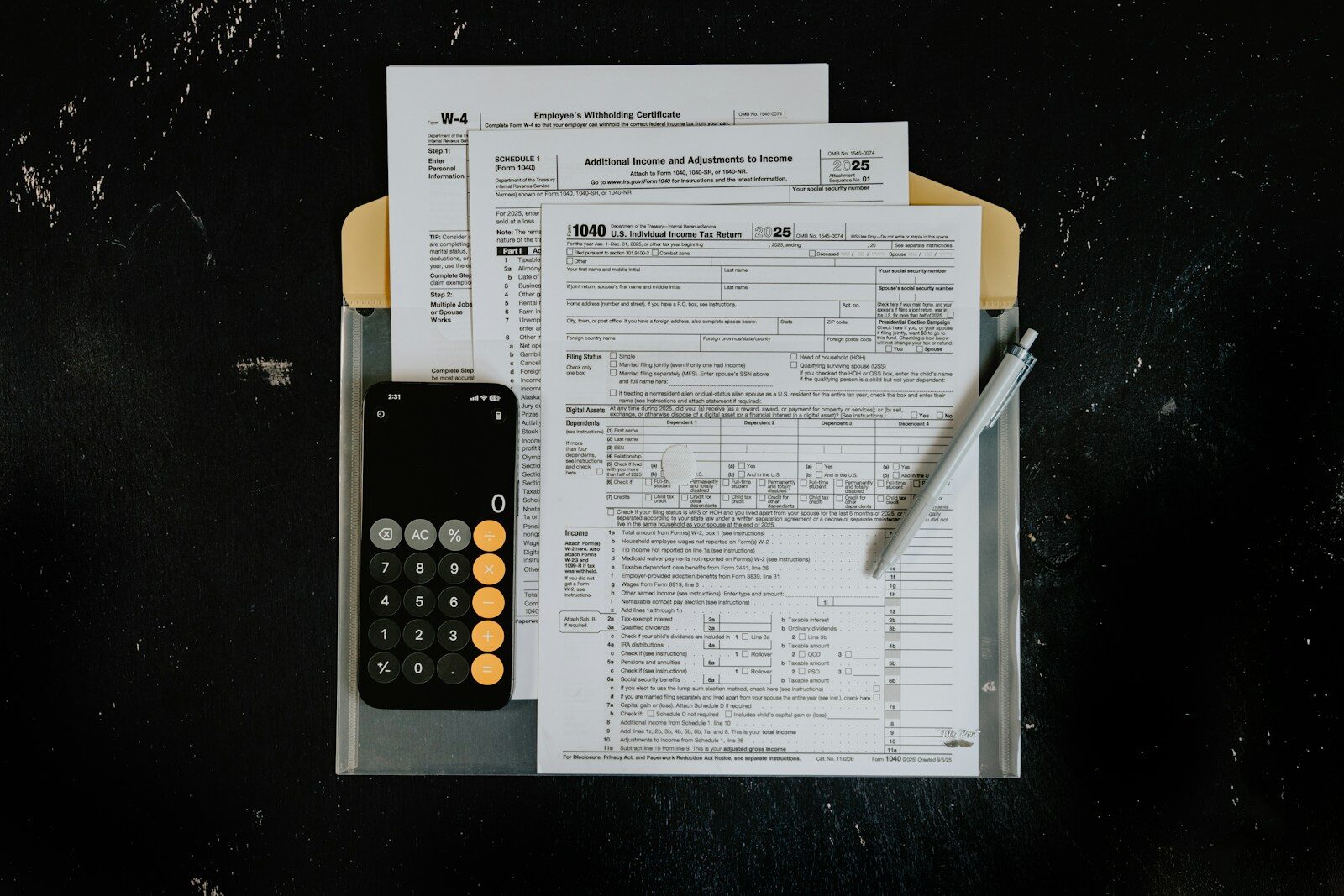
The IRS released 2027 tax brackets on November 5, 2026. The standard deduction rises to $33,200 for married couples filing jointly and $16,600 for single filers, up $1,000 and $500 respectively from 2026. Every income threshold moved higher to account for inflation.
The seven federal tax rates remain unchanged at 10%, 12%, 22%, 24%, 32%, 35%, and 37%. Only the income levels where each rate applies shifted upward. For single filers, the 22% bracket now starts at a higher threshold, and the 37% bracket starts at a higher level. Married couples filing jointly see roughly double those thresholds at every level except the top one, where their 37% bracket starts at $793,650.
Your paycheck will not change automatically. Your employer withholds based on the W-4 form you completed. If your income, job status, or household changed in 2026, your withholding may no longer match your situation. Updating your W-4 before year-end prevents a gap between taxes withheld and taxes owed.
The maximum child tax credit rises to $2,300 per qualifying child for 2027, up $100 from 2026. The refundable portion, which you can collect even if your tax bill drops below zero, rises to $1,800.
A common concern holds that moving into a higher tax bracket reduces take-home pay. This misunderstands how brackets work. Only income above each threshold gets taxed at that rate. Income below each threshold stays taxed at lower rates. A raise never reduces your take-home pay.