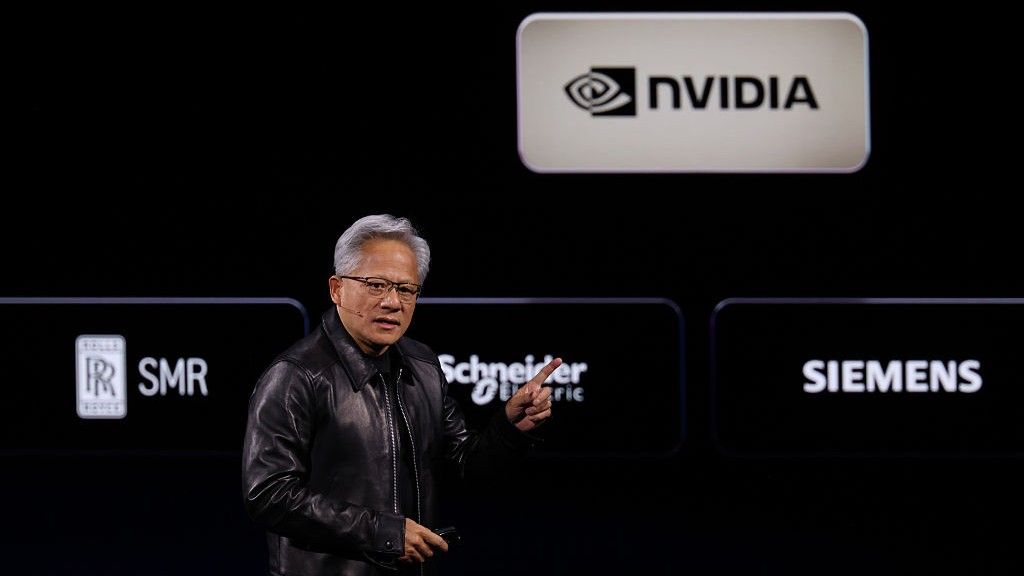
Jensen Huang has resigned as CEO of Nvidia after the board launched investigations into relationships with two women: Alice Huang, an executive at a Singapore-based cloud company classified by U.S. officials as a Chinese spy, and Kimberly Powell, his direct report.
Colette Kress, Nvidia's CFO, has been named interim CEO. The board will search for a permanent replacement, with potential candidates including Rene Haas from Arm Holdings and CUDA architect Ian Buck.
Huang served as more than a chief executive. He was the company's chief strategist, chief salesman, and ambassador to Washington. He also backed Nvidia's own customers with an estimated $230 billion in funding.
The leadership change poses a direct threat to Nvidia's market position. The company's AI chip market share is projected to fall from roughly 80% today to the 60s by 2028 as custom silicon projects gain momentum.
However, the report frames this as an Nvidia-specific problem rather than a setback for the broader AI sector. Big Tech companies fund their AI buildouts from their own cash flow, so the leadership crisis should shave only two to four points off 2027 AI compute growth, mostly affecting smaller AI cloud companies that relied on Nvidia's financing.
After-hours trading reflected this distinction. While Nvidia and dependent companies fell, Advanced Micro Devices and Broadcom rallied, and the Nasdaq barely moved. The report recommends investors shift exposure away from Nvidia toward AMD, Broadcom, and Marvell Technology in the custom chip space.
Companies dependent on Nvidia funding, including CoreWeave, Dell Technologies, Super Micro Computer, and others in the ecosystem, face material headwinds from the leadership vacuum and reduced customer financing.