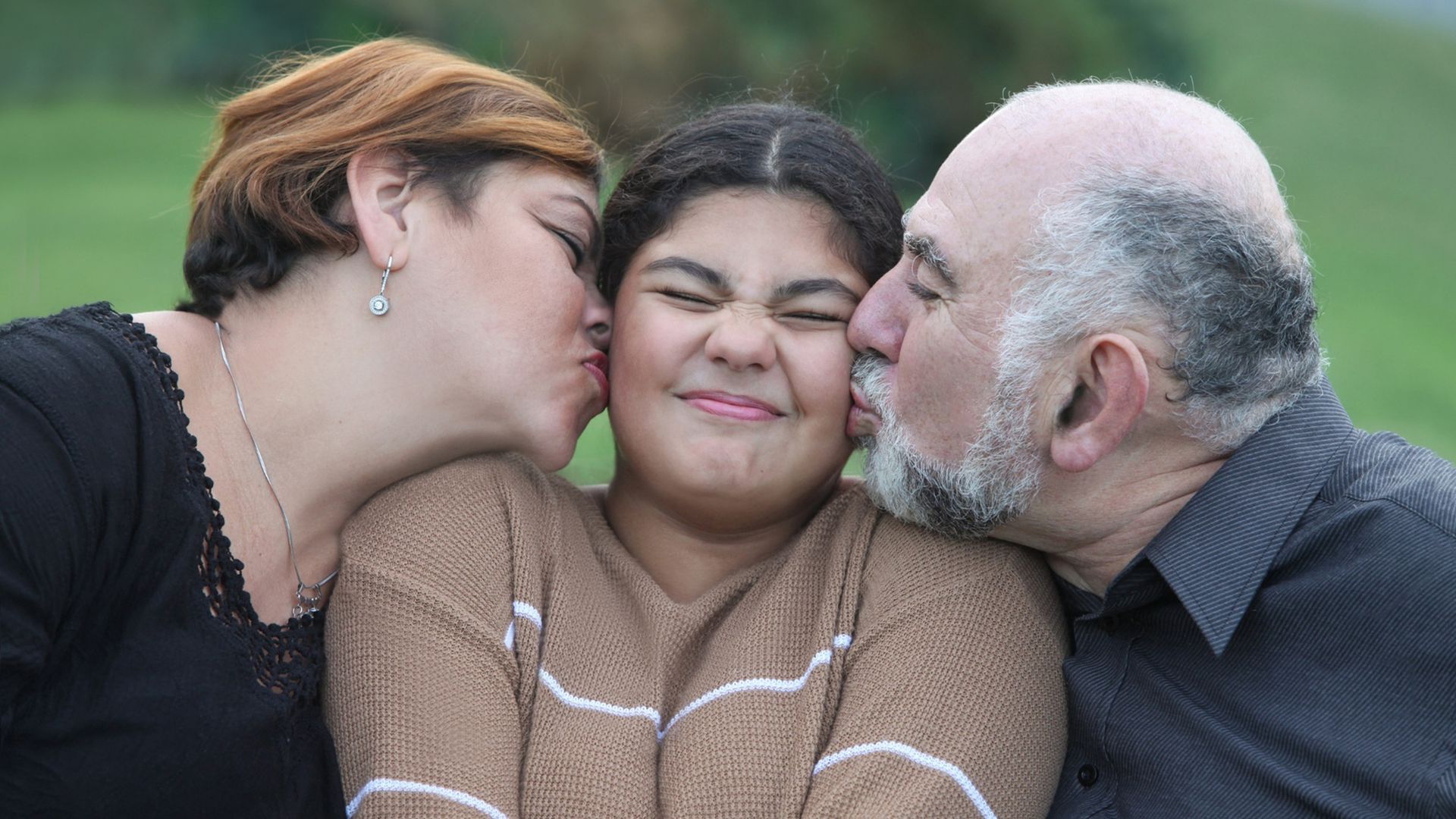
Mark, 63, and his wife Susan, 61, recently retired and were planning to wait until age 70 to claim Social Security. But their 15-year-old daughter Lily changed the math.
Lily can collect a child's benefit on Mark's Social Security record. The benefit equals half of Mark's full retirement age amount. In this example, Mark's full retirement age benefit is $3,200 monthly, making Lily's benefit $1,600 a month. She remains eligible while unmarried and under 18, with continuation for full-time high school students until 19.
The window is tight. By the time Mark turns 70, Lily will be 22 and no longer eligible. Over 36 months while she qualifies, Lily would receive $57,600 before the family maximum applies.
Susan can also collect a child-in-care spousal benefit while Lily is under 16, even though Susan is not yet 62. In this scenario, Susan would receive about $800 monthly for that period.
Using a $5,600 family maximum, the strategy shifted Mark to claim at 63. He would receive $2,400 monthly starting then, with Susan and Lily each receiving $1,200. That totals $4,800 monthly compared to Mark's original plan.
Early claiming has costs. For someone with a full retirement age of 67, starting at 63 reduces the worker's benefit by 25%. Mark's $3,200 would become $2,400. That lower base carries forward permanently, affecting Mark's future payments and Susan's eventual widow's benefit.
The decision requires modeling multiple scenarios. Compare claiming now versus waiting until full retirement age or 70. Account for the years Lily qualifies, the years after her eligibility ends and Susan's potential years as a widow. Also check whether Mark's continued work would trigger earnings withholding of benefits for himself and family members.
Anyone filing for Social Security should identify all household members who could qualify on that worker's record, including dependent children, disabled adult children or a former spouse, before deciding when to claim.