Offline, a new platform launched in September 2025, connects community event hosts with brands willing to sponsor their gatherings. The company charges brands to advertise at real-world meetups ranging from book clubs to run clubs to bird-watching groups.
Hosts create profiles on Offline's platform listing event frequency and typical attendance. Brands then match with communities that fit their target audience. Offline founder Andrew Roth, 28, says hosts make an average payout of $2,500 to $3,000 per event. The platform now features more than 900 communities.
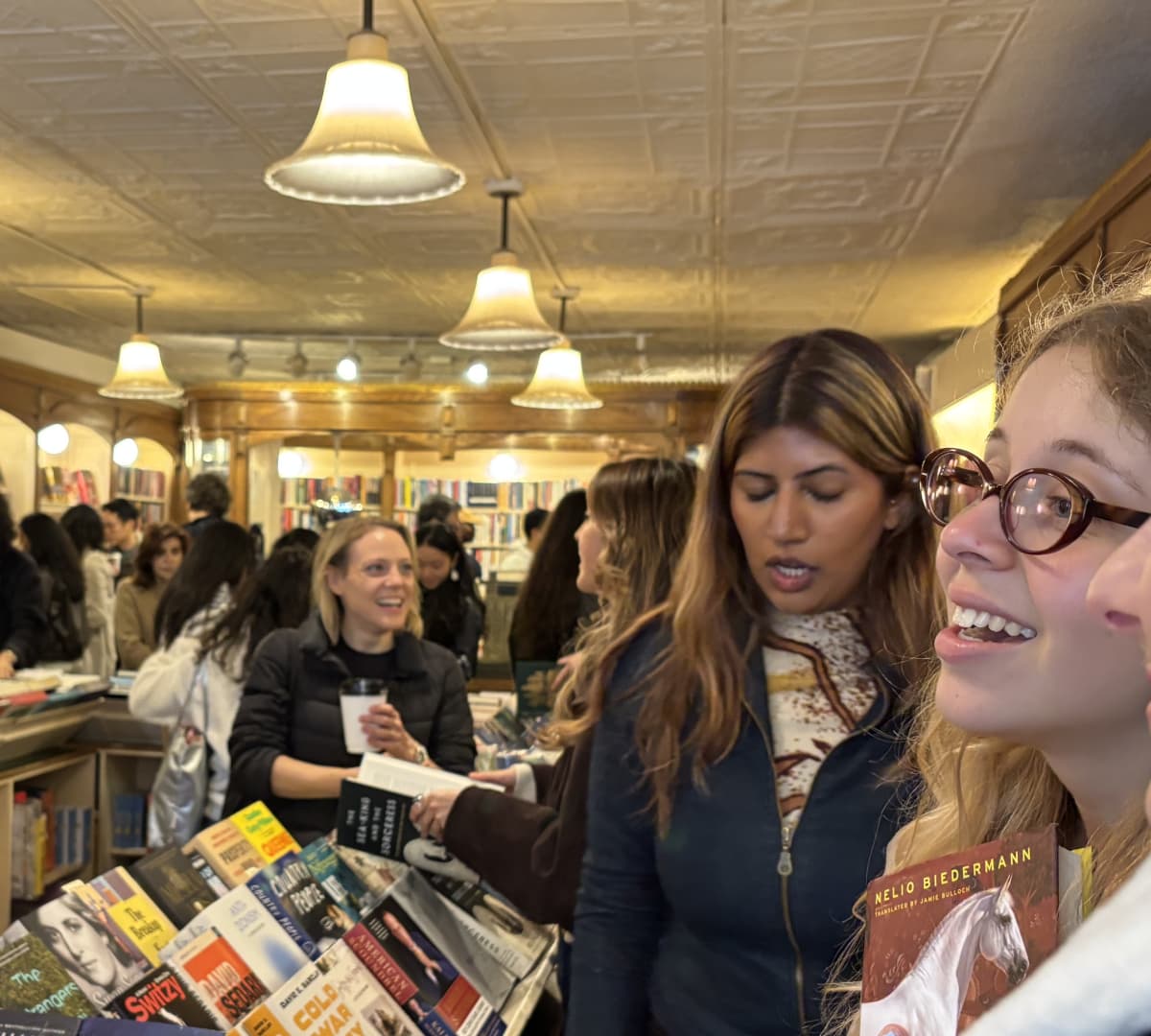
Lit Club NYC, a literary community founded in March 2025, recently partnered with Tinder through Offline. Founder Kelly Chervin earns $20 per attendee and must post social media content highlighting the partnership. "If we want to have a literary community be around sustainably," Chervin says, "then paid partnerships are part of that."
McGolrick Bird Club, a free weekly bird-watching group in Brooklyn founded in April 2023, also works with Offline. Founder Michael Lombardo, a freelance designer and writer, says he will consider partnerships. "I do need to support my family," he says. "I have two children."
Experts disagree on sponsorship's impact. Amit Kumar, an assistant professor of marketing at the University of Delaware, sees potential if events allow people to engage and connect. Benjamin Cornwell, a sociology professor at Cornell University, is skeptical. A community that started organically "is no longer organic once fueled and harnessed by a profit-motivated company," he says. He predicts members may "lose faith in the original purpose" and some will "drop out." He adds, "it's inevitable."
At Lit Club's Tinder-sponsored book crawl, attendees had mixed reactions. Some appreciated Tinder's involvement in in-person events. Others disliked the implication that the event was designed to find romantic partners. Some members quit after Chervin partnered with an AI company in September, though she kept her paid subscribers.
Roth defends Offline's model. "If 10 years from now people look at us and say, 'Oh, these are the evil guys that bastardized IRL,' so be it," he says. "But I'll look at that and say, you know, we paid out a billion dollars to organizers, and we've created I don't know how many more events."