Amazon is assembling a new team to develop a home robot after the company's Astro device failed to gain traction beyond a few thousand customers.
The $1,450 Astro, an Alexa-equipped tablet on wheels that can navigate homes and monitor security, launched in 2021 as an invite-only product and never expanded beyond that. Amazon also released an Astro for businesses in 2023 but discontinued it less than a year later.
Job postings reviewed by CNBC show Amazon is working on what it describes as a "new-to-world robot product" capable of navigating "dynamic home environments" and operating "alongside family members." One removed listing stated the goal is to "create robots that are not just functional, but delightful."
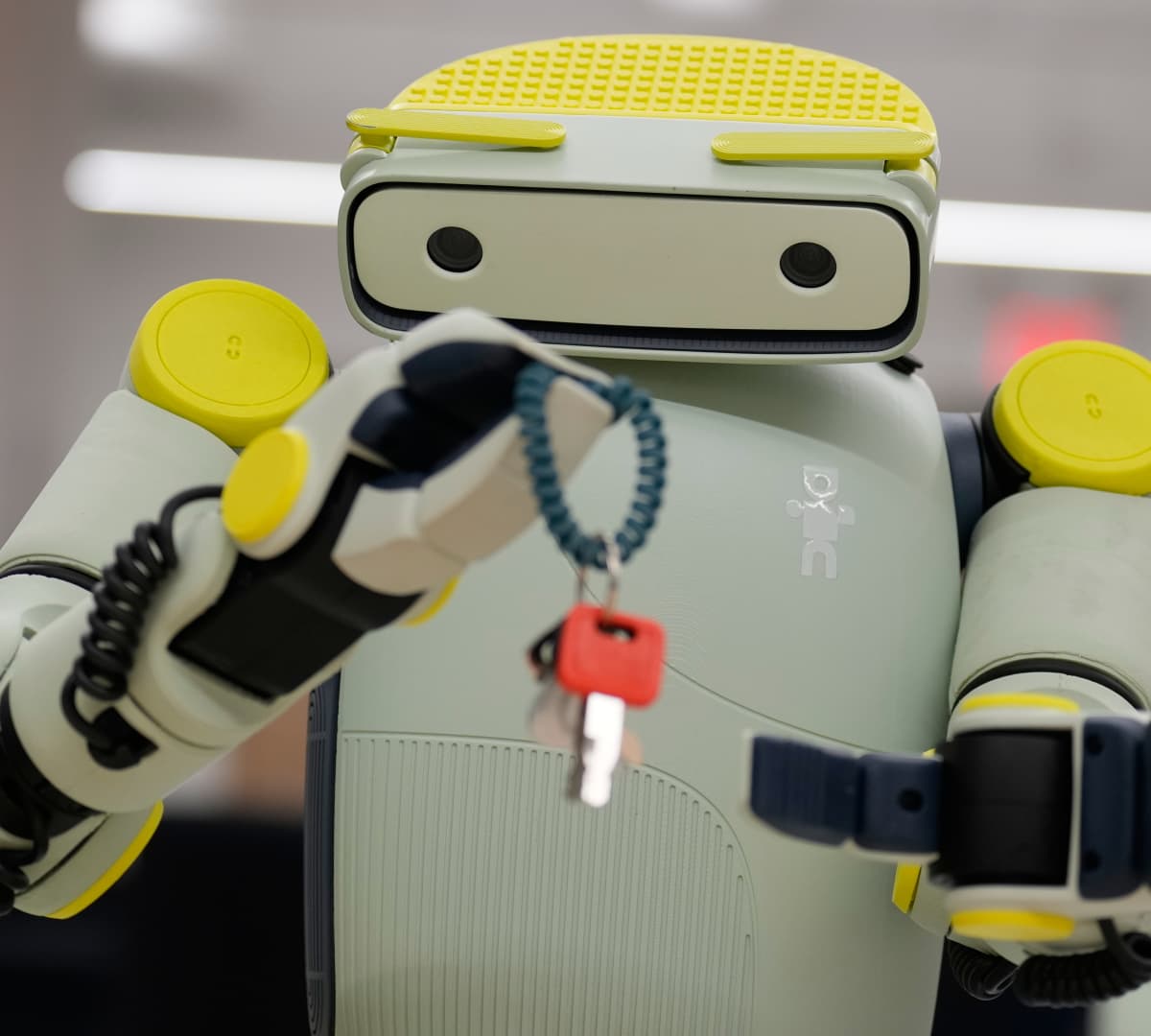
In March, Amazon acquired Fauna Robotics, a New York-based company that built Sprout, a 3.5-foot-tall humanoid robot. Fauna became part of Amazon's new Personal Robotics Group. Amazon job postings from October indicate the company is developing support services and user experience design around living with Fauna robots.
Amazon spokesperson Brad Glasser said the company is "committed to tackling the challenges that can unlock the personal robotics category" and noted a substantial gap exists between what's possible in controlled labs versus real homes.
CEO Andy Jassy told investors that artificial intelligence and robotics represent "biggest inflections of our lifetime." Barclays forecast the global humanoid market could grow from $2 billion to $3 billion currently to roughly $40 billion by 2035.
Astro owners report limited usefulness. One early adopter said the device mostly acts as a "trip hazard" and party trick, though she uses it to check on pets and appliances remotely.
Advances in AI, sensors, batteries and mechanical components since Astro's 2021 launch have accelerated robot development across the industry. Colin Angle, co-founder and former CEO of Roomba maker iRobot, said the toolkit available to developers has advanced substantially. Venture capital firms invested $33.4 billion into robotics and physical AI companies in the first half of the year.