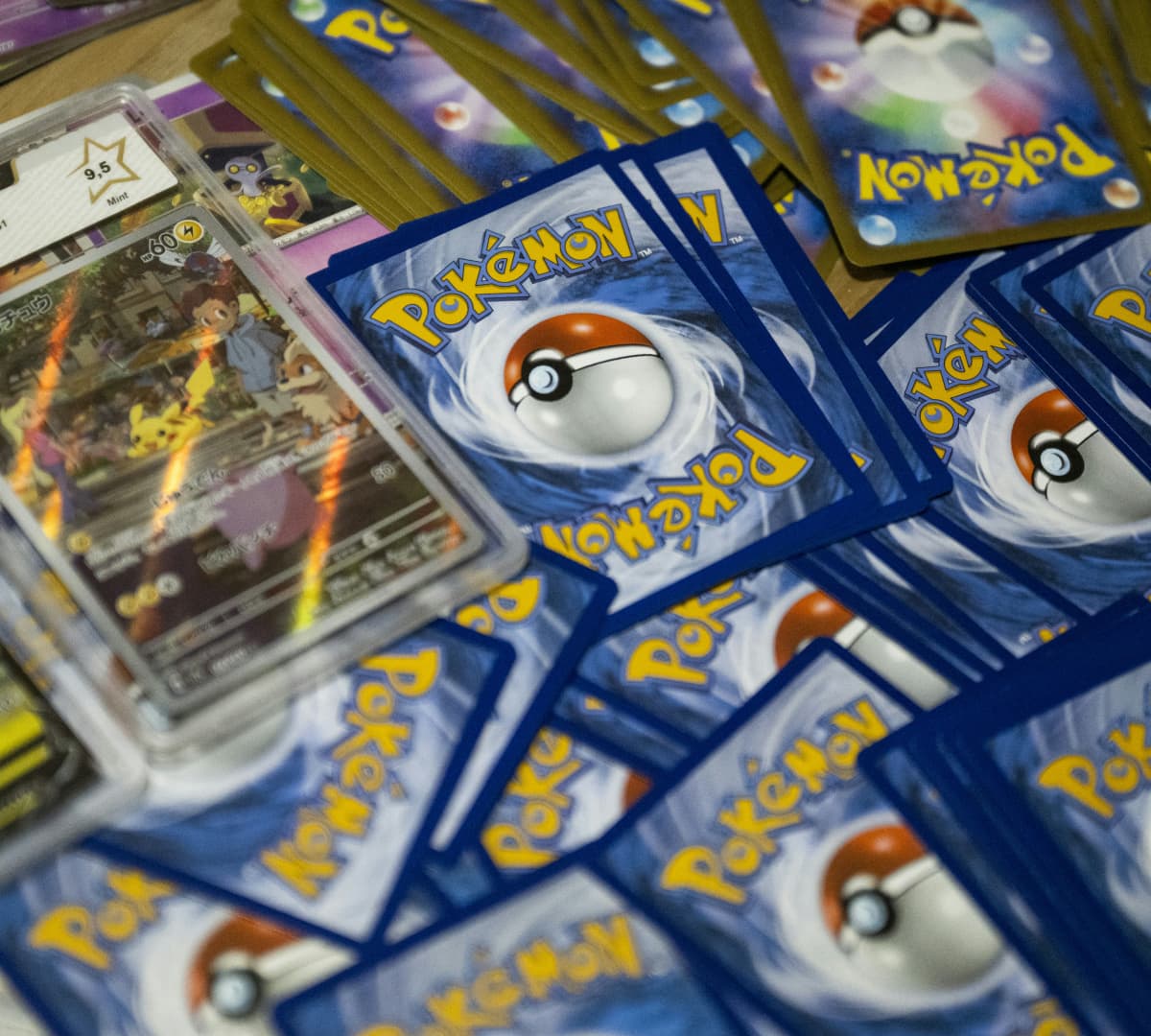
Professional Sports Authenticator, or PSA, dominates the trading card grading market even as it works through a massive backlog. The company reported 7.2 million items waiting for grading as of Oct. 20, down from 12.4 million in July.
PSA's grip on the market stems from a simple fact: PSA-graded cards sell for significantly more than the same cards graded by competitors. A 1999 Base Set Charizard graded PSA 9 sold for about $3,440 on eBay on Sept. 29, compared with roughly $1,890 for a CGC 9 copy sold the same day, according to CNBC's review of PriceCharting records.
This pricing premium creates a self-reinforcing cycle. Sellers choose PSA because buyers pay more for PSA slabs. Buyers seek PSA slabs because more are available and have established resale records. That abundance makes competitors' lower fees or faster service less attractive.
PSA suspended cheaper submission services in June to manage the backlog, then reopened its Value service on Oct. 29. In February, PSA raised fees across several tiers, including Value Bulk from $21.99 to $24.99 and Value from $27.99 to $32.99. These restrictions have made it harder to profit on lower-priced cards by buying them ungraded, sending them to PSA, and reselling them.
Geoff Wilson, founder and CEO of CardsHQ, said the restrictions have driven more ungraded cards to be bought and sold at card shows. But Wilson noted that PSA's capacity investments have improved the collector experience.
PSA's parent company, Collectors, also owns rival grading brands Beckett and SGC. Together, the three brands accounted for roughly 71% of August grading volume among major firms tracked by industry analyst GemRate, with PSA alone representing about 65%.
A proposed class action filed in April challenges Collectors' acquisitions of SGC and Beckett, alleging they unlawfully reduced competition in card grading.