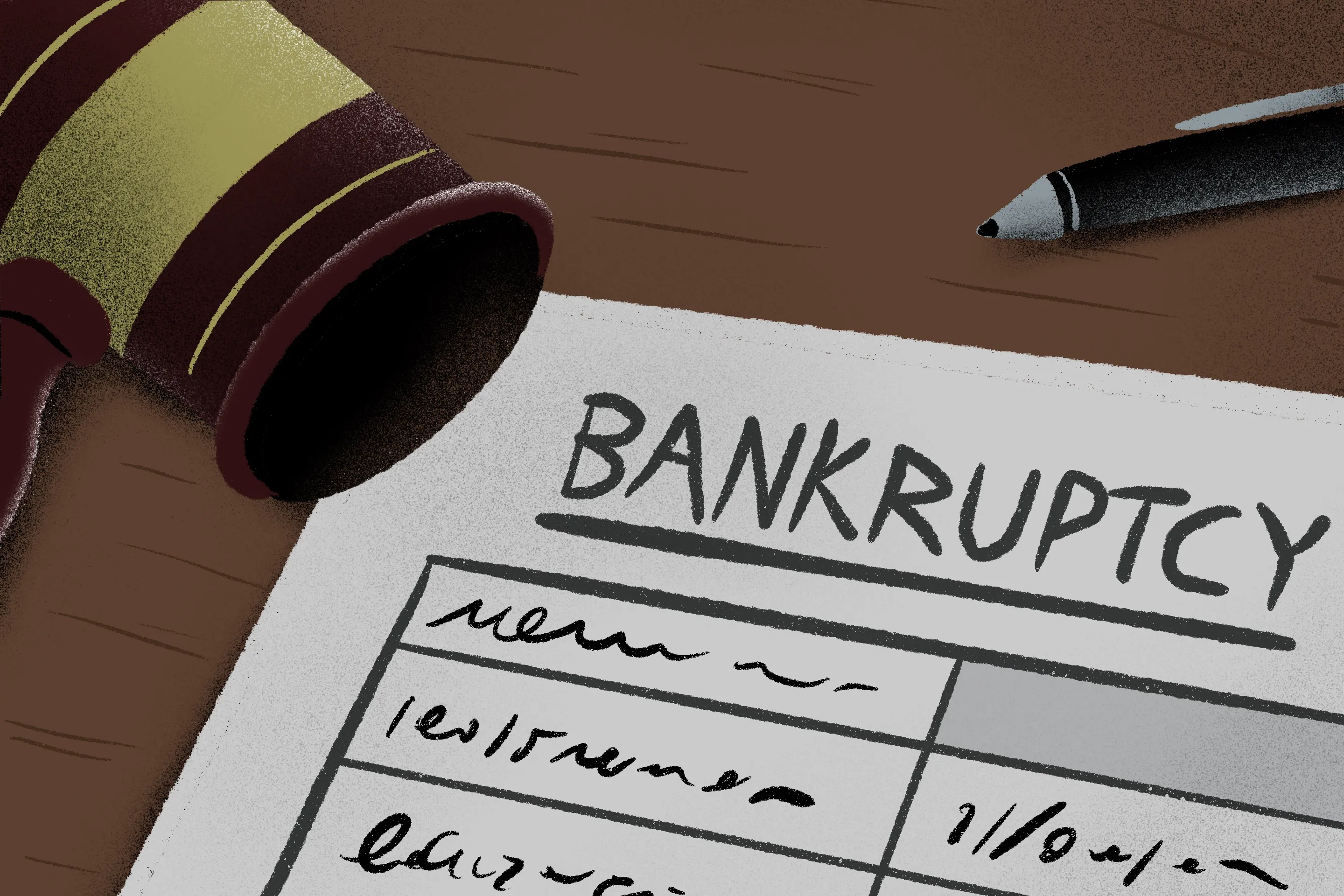
Chapter 7 bankruptcy costs $338 to file, while Chapter 13 costs $313. Before filing either type, you must complete a credit counseling course that costs $15 to $50 within 180 days of filing. Bankruptcy attorneys charge $1,500 to $6,000 or more.
Hiring an attorney makes a large difference in outcomes. Chapter 7 filers with attorneys win discharges more than 90% of the time, according to the American Bankruptcy Institute. Fewer than half of self-filers receive a discharge.
Chapter 7 bankruptcy remains on your credit report for 10 years. Chapter 13 stays for seven years. Both types will damage your credit score, and new debt you take on will likely carry higher interest rates.
Chapter 7 is the most common type. It typically resolves within six months and involves a court trustee deciding whether you have assets worth selling to creditors. You must pass a "means test" based on your state's median income to qualify.
Chapter 13 takes longer, usually three to five years, and requires a repayment plan before remaining debts are wiped away. It allows you to catch up on secured debts like mortgages or car loans without losing property.
Before filing, organize your financial documents, including tax returns from the past four years, proof of income, bank statements, asset valuations, a list of creditors and amounts owed, and your monthly living expenses. Debts like child support, alimony, and certain tax debts cannot be discharged. Student loan debt is difficult but not impossible to discharge.
The Department of Justice website lists approved credit counseling agencies. Alabama and North Carolina residents must use separately approved providers in their states.