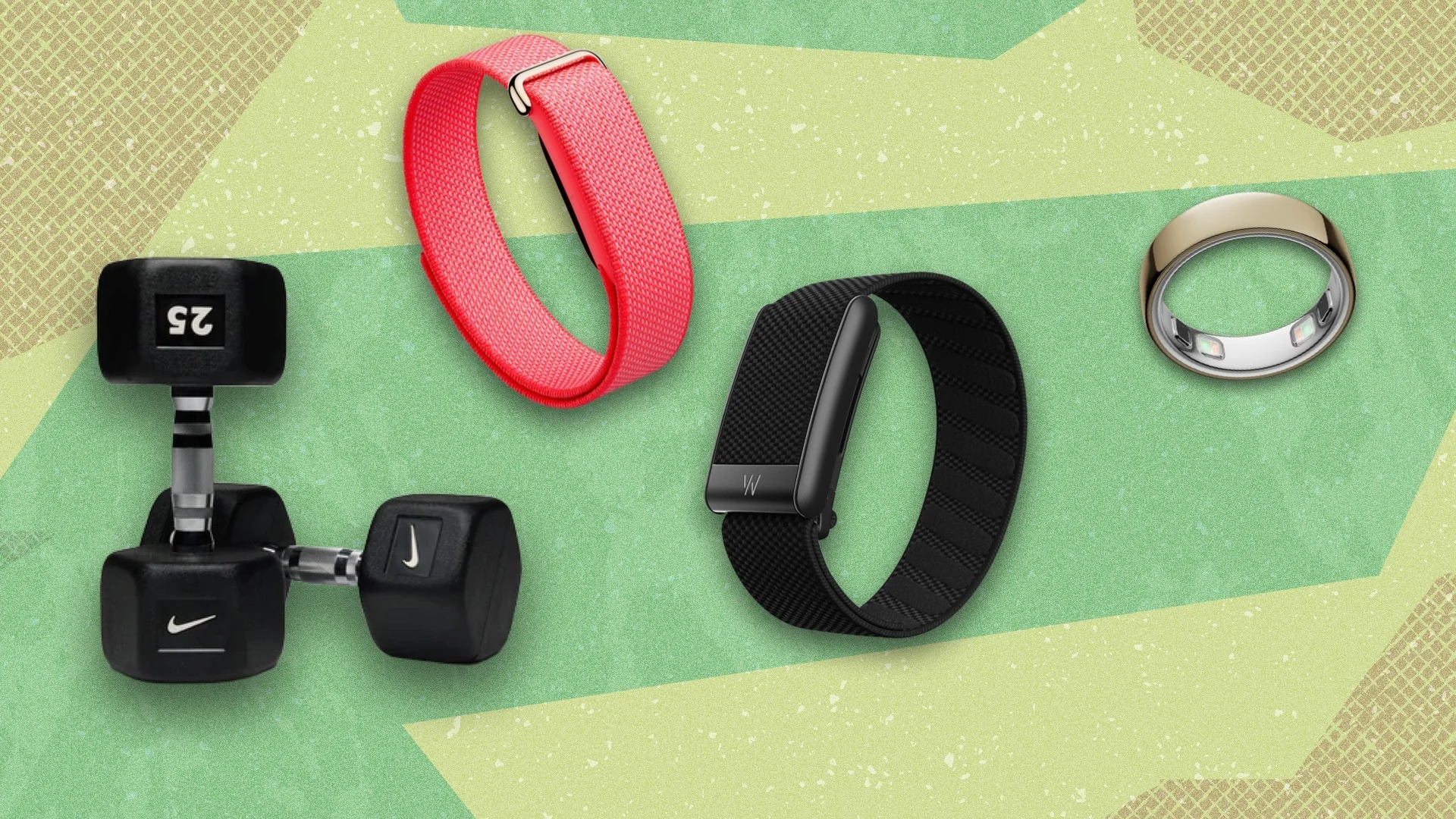
You can use FSA or HSA funds to buy fitness trackers, smartwatches, and exercise equipment, but the process comes with real limits.
Most fitness wearables like Fitbit Air, Whoop, Oura Ring, and Coros watches are not fully covered. You save an average of 30% on eligible purchases. The device must treat or monitor a specific medical condition, not just support general wellness.
To qualify, you need a Letter of Medical Necessity (LMN) from a doctor. This proves the device treats a legitimate condition like obesity, heart disease, high blood pressure, or pre-diabetes. An LMN covers only you, for one specific product from one merchant, tied to one condition.
Truemed is a platform that connects you with licensed providers to obtain an LMN without visiting your primary doctor. The company claims 90% of LMNs are issued within seven hours. You answer a health survey, a provider reviews your answers, and if approved, you receive the LMN needed to complete your purchase.
Not all wearables qualify equally. Screenless trackers like Whoop and Oura Ring draw more scrutiny because they are marketed as lifestyle products. Coros offers FSA/HSA eligibility for all its watches through Truemed. Amazfit lets you filter smartwatches by HSA/FSA eligibility. Garmin watches are not eligible, though some Garmin products are.
Exercise equipment like adjustable dumbbells, rowing machines, and connected bikes can qualify if a clinician attests that structured exercise is part of your treatment plan.
Even with a valid LMN, your employer's FSA administrator can still reject the claim. Some companies are transparent about the LMN requirement; others market products as HSA/FSA eligible without explaining that the LMN step makes that claim true. Before the year ends, fill out the intake process to see what qualifies for your situation.