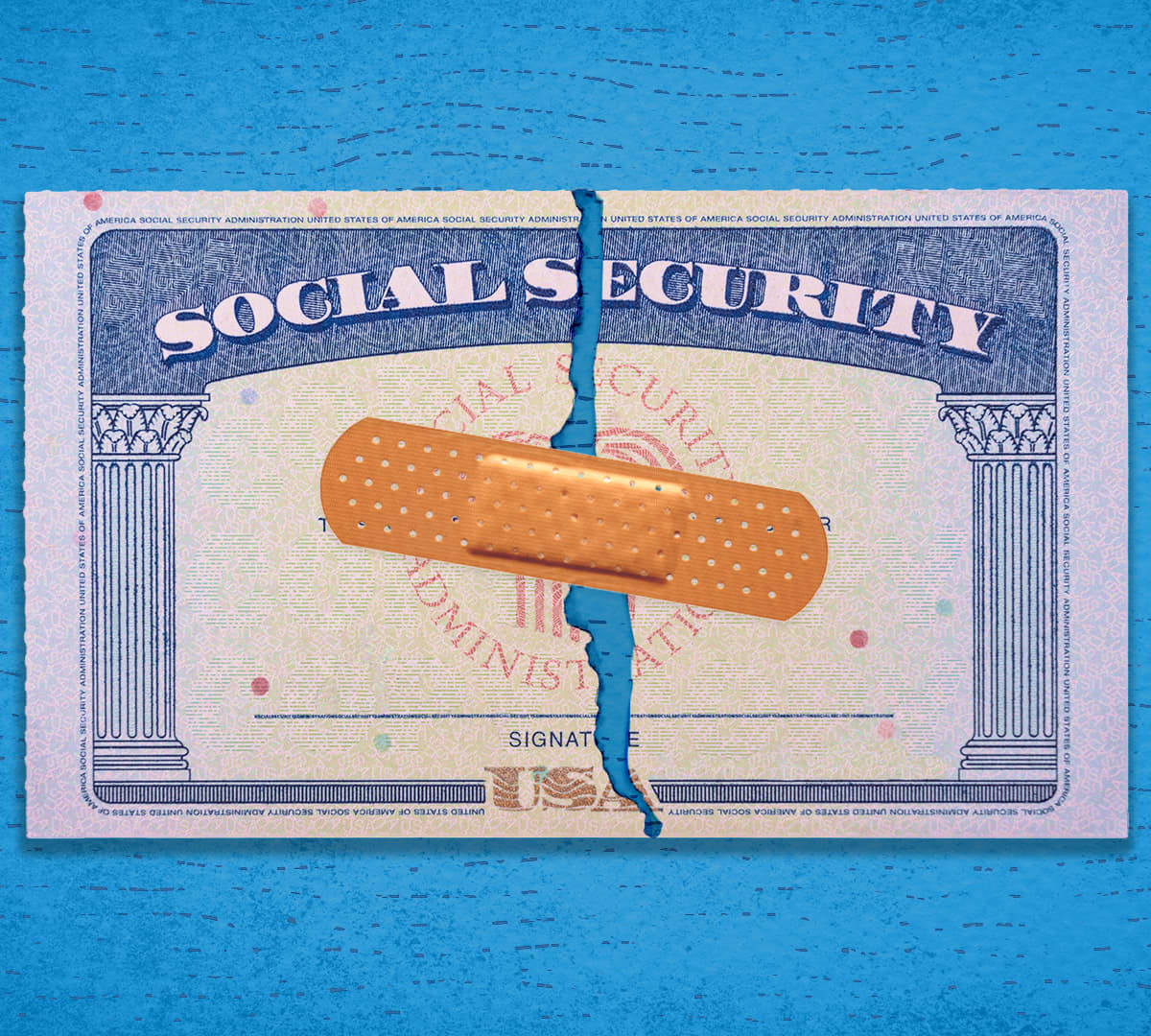
Social Security's retirement trust fund will run out of money in the fourth quarter of 2032 unless Congress acts, according to the program's trustees' June report. At that point, retirement benefits will be cut by 22% across the board.
The Congressional Budget Office projects a worse scenario. It expects the fund to deplete by mid-2032, with benefit cuts reaching 26%.
An average retiree could see their monthly benefit reduced by $500 based on a 24% cut, according to a June report from the Committee for a Responsible Federal Budget. Twenty-nine states would experience even larger average reductions.
The trust fund holds money from the Old-Age and Survivors Insurance Trust Fund, which pays benefits to eligible workers and qualifying family members.
Congress could address the shortfall through tax increases, benefit cuts, or a combination of both. Some Democratic candidates have proposed raising or eliminating the Social Security payroll tax cap. In 2026, the 6.2% payroll tax applies to earnings up to $184,500.
Jessica Riedl, a fellow at the Urban-Brookings Tax Policy Center, said payroll tax increases are "extraordinarily unlikely" to happen in the next couple of years. "In Washington, they love to wait until the last minute," she said.
If lawmakers combine Social Security's retirement and disability trust funds, the depletion date could move to the third quarter of 2034, with benefits cut by 17%, according to Social Security's trustees.
Shai Akabas, vice president of economic policy at the Bipartisan Policy Center, said the 2032 deadline could prompt action. "Nothing gets Congress to move like that type of deadline," he said.
Delayed reform could strain bond markets and put upward pressure on Treasury yields, according to June research from George Mason University's Mercatus Center. Higher interest rates could increase borrowing costs for mortgages, auto loans, and student loans, affecting household budgets.