The 1099-K threshold has reverted to $20,000 and 200 transactions for the 2026 tax year, undoing the $600 rule that was scheduled to start this year. President Trump signed the One Big Beautiful Bill Act into law in July 2025, restoring the higher threshold. The IRS confirmed the change in an October 2025 FAQ.
Payment apps send a 1099-K only when both conditions apply. A seller's gross payments for goods or services must exceed $20,000 in a calendar year, and the seller must complete more than 200 transactions on that platform. Both thresholds apply separately to each app or marketplace. A driver who earns $25,000 through Uber and crosses 200 trips gets a form from Uber. The same driver's 150 Instacart deliveries, even if they add up to $18,000, generate no form.
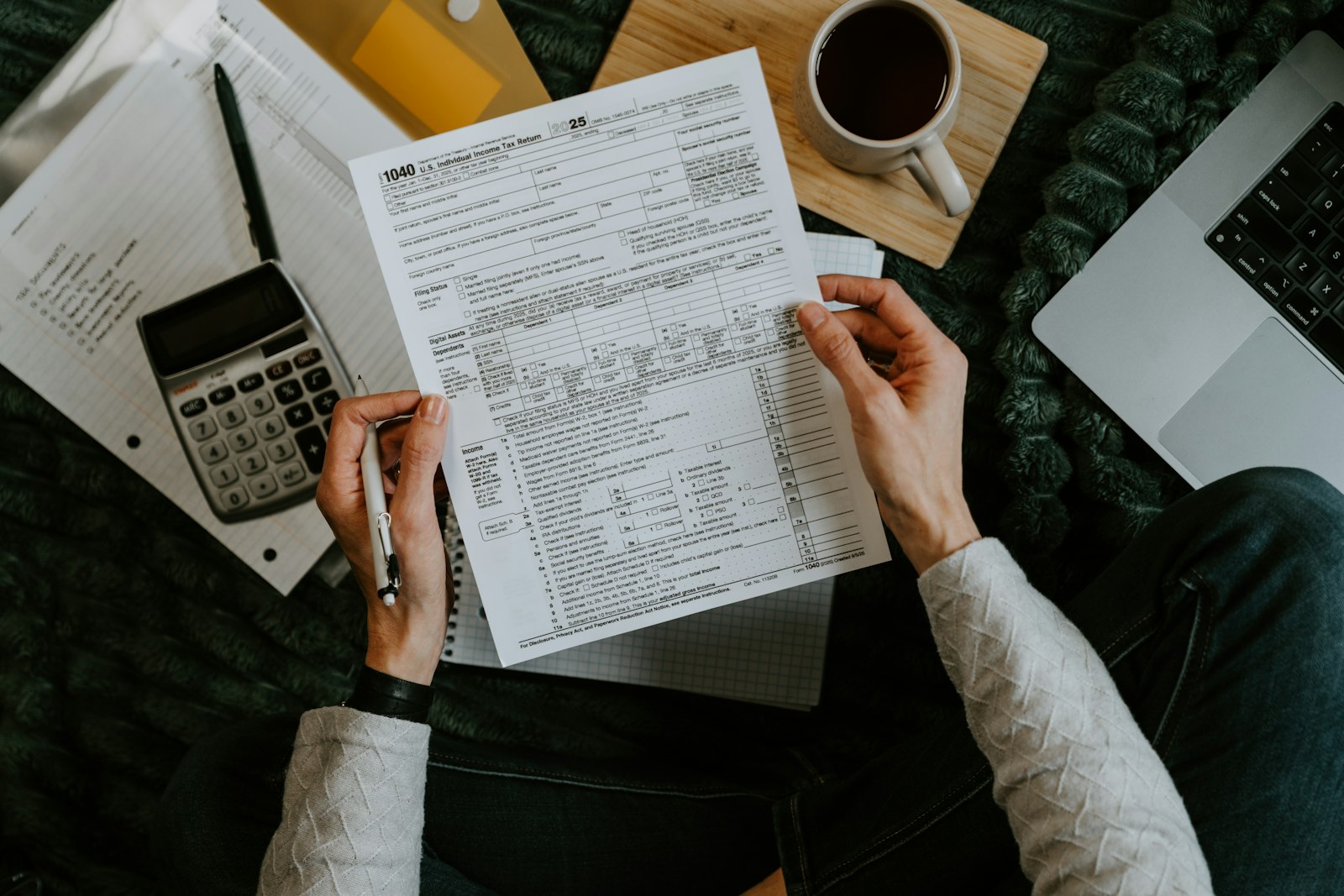
The higher threshold changes who gets a form, not what counts as taxable income. Every dollar earned from a side hustle remains taxable whether or not a form shows up. Net self-employment earnings of $400 or more also trigger self-employment tax, separate from income tax.
Without a form, you must track income yourself. Save every invoice, payout screenshot, and bank deposit tied to side work. Set aside roughly 25 to 30 percent of side income for taxes as you go. Some states set their own lower thresholds regardless of the federal rule. Massachusetts, Vermont, Maryland, and Virginia currently require reporting at $600. A form can still arrive even when the federal rule would not require one.