# The October Fed Meeting: What Rate Decisions Mean for Your Money
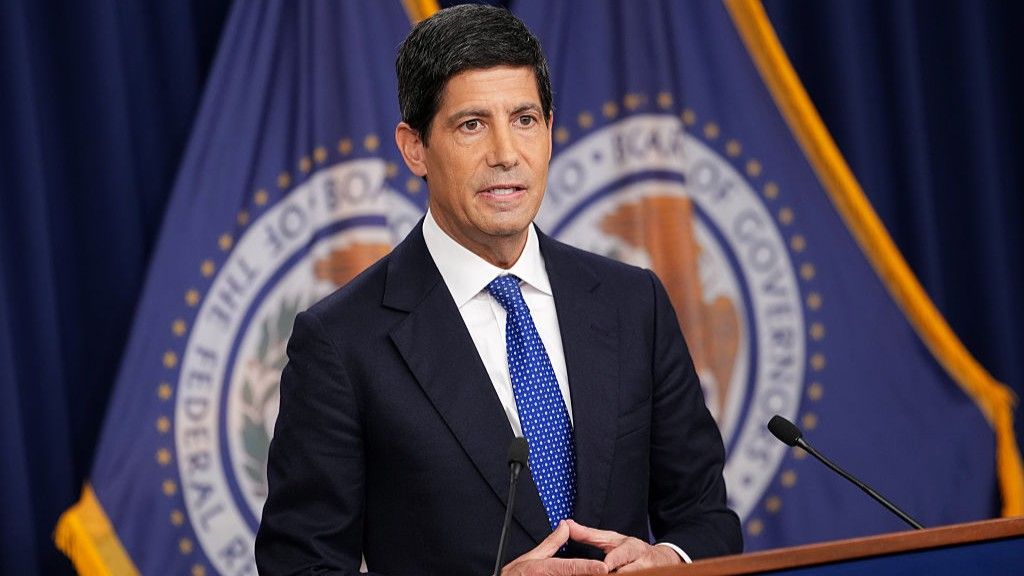
Wall Street is holding its breath ahead of this week's Federal Reserve meeting, and you should be paying attention too. The Fed's decisions on interest rates ripple directly into your savings accounts, mortgage rates, credit card balances, and retirement investments. Chair Warsh and the policy committee face a complex economic backdrop that will shape borrowing costs for millions of Americans.
The Federal Reserve's Open Market Committee meets regularly to set the federal funds rate, the baseline interest rate that influences virtually every other rate in the economy. When the Fed raises rates, banks charge more to lend money. When it cuts rates, borrowing becomes cheaper. These decisions cascade through financial markets within hours.
Currently, markets are pricing in multiple scenarios for this October meeting. Traders are watching inflation data, employment numbers, and economic growth signals to predict whether the Fed will hold rates steady, raise them, or cut them further. If inflation remains elevated, expect the Fed to signal a more patient approach to rate cuts. If growth slows and unemployment ticks up, the committee might accelerate cuts to stimulate borrowing and spending.
For savers, every basis point matters. A 0.25% rate cut across the economy can shrink CD rates and high-yield savings account yields noticeably. Banks currently offering 4.5% on one-year CDs may drop to 4.25% or lower if the Fed cuts rates this month. If you have cash parked in savings waiting for deployment, moving it into certificates of deposit or money market accounts before a rate cut locks in today's higher yields.
For borrowers, rate cuts offer relief. Mortgage rates, home equity lines of credit, and adjustable-rate loan payments all fall when the Fed cuts. Homebuyers shopping for mortgages see slightly lower rates after Fed cuts, though mortgage rates don't move dollar-for-dollar with Fed moves. Credit card interest rates, which are tied more directly to Fed policy, decline faster.
Investors holding stocks and bonds face different dynamics. Equities can rally on Fed rate cuts if markets believe cuts signal growth confidence, but they can also fall if cuts come because the economy is weakening. Bond investors win when rates fall, since existing bond prices rise as yields drop. Stock investors holding dividend-paying companies may see those dividends affected if corporate earnings weaken.
The market's reaction to the Fed announcement typically arrives within minutes of the statement release. Chair Warsh's press conference comments matter enormously. A single phrase about future rate direction can shift stock indices hundreds of points. Financial news outlets and your brokerage will provide real-time analysis within seconds of the statement.
Practical moves ahead of the announcement: lock in savings rates if you believe cuts are coming, refinance adjustable-rate debt if possible, and review your investment allocation to ensure it matches your risk tolerance and timeline. Don't try to time the market based on the Fed decision alone. Economic policy is one piece of your financial puzzle, not the entire picture.
Watch the Fed announcement live or read the statement immediately after release at federalreserve.gov. The committee typically announces decisions at 2 PM Eastern time on meeting days.