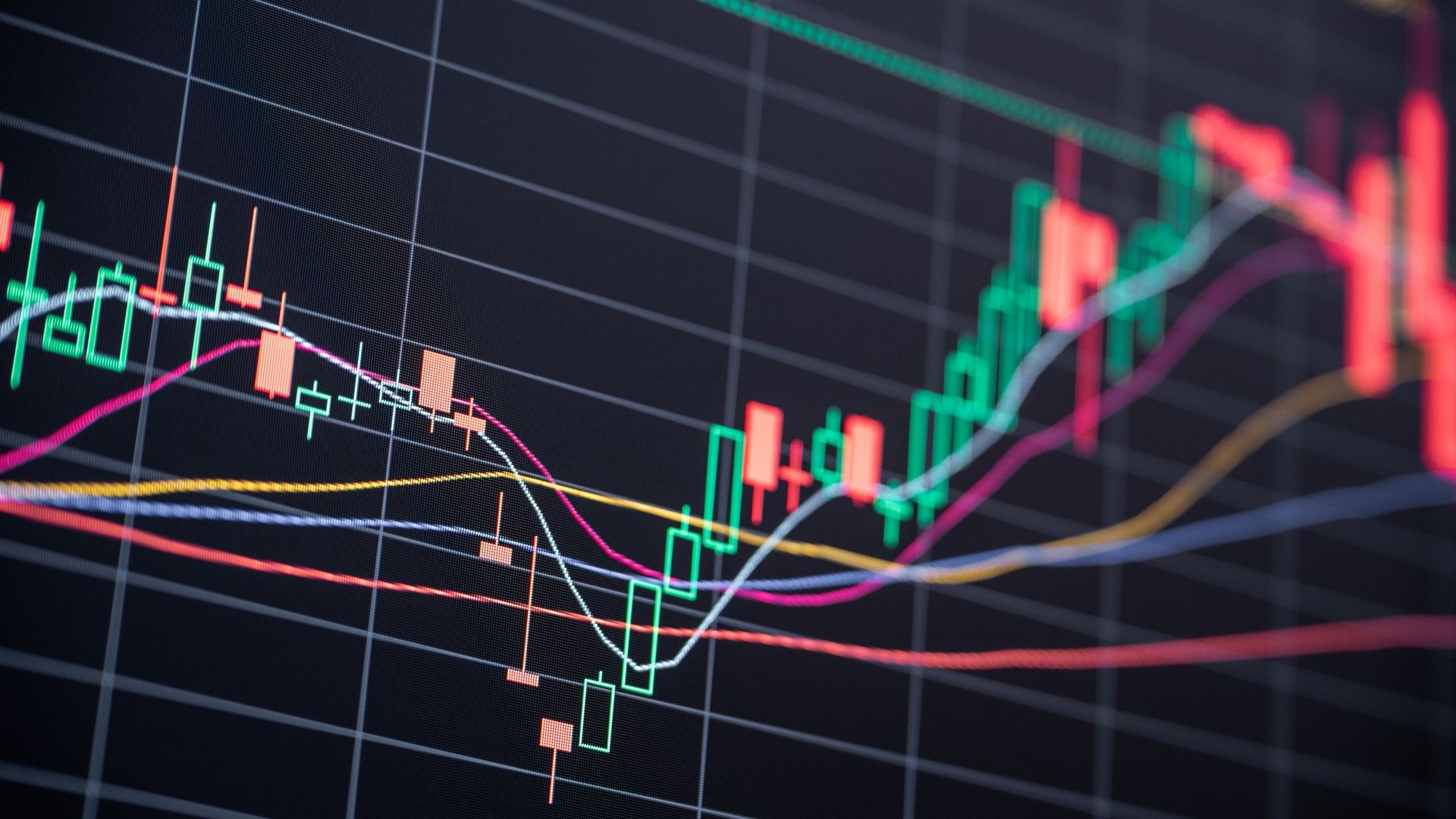
Stock markets fell sharply today as geopolitical tensions and rising borrowing costs weighed on investor confidence. The Dow Jones Industrial Average dropped 652 points, reflecting broad-based selling across major indexes as traders grappled with twin headwinds: climbing oil prices and higher Treasury yields.
Oil prices surged amid escalating tensions between the United States and Iran. When crude oil rises, it typically increases costs for airlines, shipping companies, and manufacturers that depend on fuel. Investors worry about inflation returning and consumer spending slowing if energy prices stay elevated. West Texas Intermediate crude has become a bellwether for geopolitical risk, and today's move signals genuine concern about Middle East stability.
Treasury yields climbed higher across the curve. The benchmark 10-year Treasury yield, which influences mortgage rates and corporate borrowing costs, ticked up noticeably. Higher yields create a drag on stock valuations because investors can earn safer returns in bonds. They also signal expectations for sticky inflation or elevated interest rates ahead, which pressures corporate profit margins. When the 10-year yield rises, growth-oriented tech stocks and unprofitable companies tend to suffer most because their future earnings matter less in a high-rate environment.
The timing compounds pressure on markets. Traders are bracing for next week's Federal Reserve meeting, where policymakers will announce interest rate decisions and economic projections. Market participants debate whether the Fed will hold rates steady, cut, or signal future moves. Uncertainty before major central bank announcements often triggers selling as investors reduce risk exposure and await clarity.
The combination of geopolitical unease, rising energy costs, and climbing yields created a toxic mix for equities today. The S&P 500 and Nasdaq also declined alongside the Dow, though exact figures were not specified in this report. Breadth likely turned negative, meaning more stocks fell than rose.
What matters for ordinary investors: If you hold a diversified portfolio of index funds or ETFs tracking the S&P 500 or total market, today's drop trimmed your balance. If you are planning to tap savings soon, keep cash in money market funds or short-term Treasury bills, where yields have risen and make those vehicles more attractive. If you carry variable-rate debt tied to Treasury rates, borrowing costs may tick higher.
Long-term investors should remember that single-day swings do not change fundamental plans. Dollar-cost averaging into index funds smooths out daily volatility. Panic selling locks in losses. However, if you have zero tolerance for this kind of pullback, rebalancing toward bonds and cash makes sense, even if it means lower long-term returns.
Next week's Fed decision will likely reset the market tone. Watch for any signals about rate cuts or hikes, economic outlook revisions, and inflation commentary. Until then, expect elevated volatility tied to oil prices and headline risk.