# The Best Stock Trading Apps for Active Traders in October 2026
Stock trading apps have fundamentally reshaped how retail investors buy and sell shares. No longer do you need a brokerage office or a financial advisor on speed dial. A smartphone or laptop and the right app deliver real-time market access, commission-free trading, and tools that were once reserved for professional traders.
The landscape of stock trading apps continues to evolve rapidly. Apps compete on execution speed, platform stability, research quality, educational resources, and fee structures. For someone just starting out or switching platforms, the choice matters.
Here's what separates the best trading apps from the rest.
**Speed and Reliability Matter Most**
Order execution speed determines whether you get the price you see on screen or pay a penny more per share. Leading apps use direct market access and advanced order routing to minimize delays. During volatile market conditions, when milliseconds count, a sluggish app leaves money on the table.
Platform stability during market hours is non-negotiable. Apps that crash during earnings season or Fed announcements become costly liabilities. The best platforms handle traffic spikes without degradation.
**Research and Data Tools**
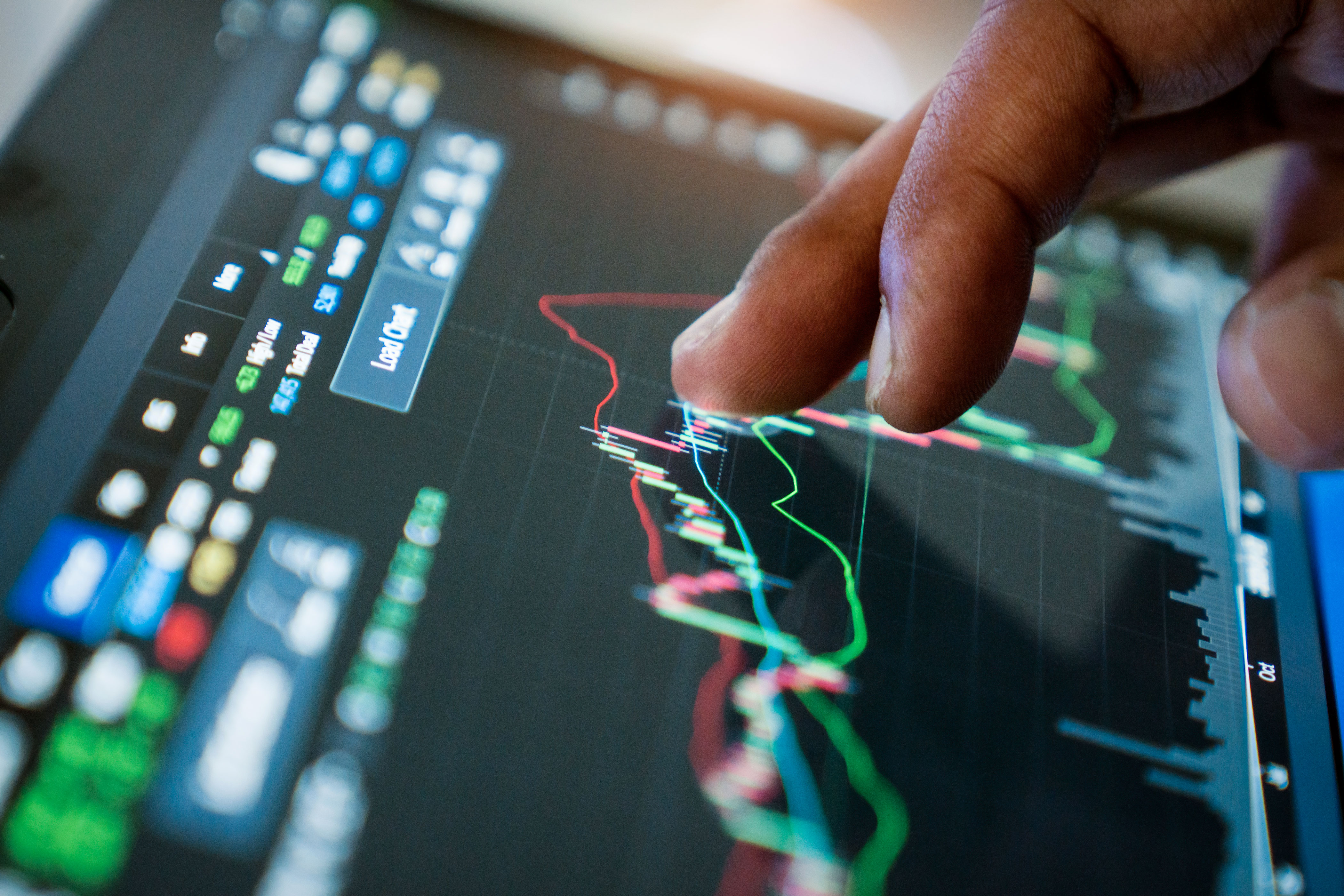
Top-tier apps bundle stock screeners, charting tools, and news feeds directly into the trading interface. Rather than switching between multiple windows, traders access everything in one ecosystem. Advanced candlestick patterns, moving averages, and volume analysis come standard.
Real-time Level 2 data shows bid-ask spreads and order book depth. This transparency helps traders understand liquidity and spot manipulation attempts. Some apps charge extra for professional-grade data, while others include it for free.
**Commission-Free Trading Is Table Stakes**
Every major app now offers commission-free stock and ETF trades. The race has shifted to other fees: margin interest rates, options contract fees, wire transfer charges, and account maintenance minimums. Some brokers impose $0 minimums, while others require $500 or more.
**Mobile Experience Wins Market Share**
Phones have become the primary trading device for millions. Apps with intuitive design, one-tap order placement, and push notifications for price alerts attract younger traders. Desktop platforms still dominate for serious technical analysis, but mobile usability can't be ignored.
**Account Types Matter for Your Situation**
Cash accounts operate differently from margin accounts. Individual accounts, IRAs, and business accounts carry different tax implications and contribution limits. The best apps clearly explain which account type fits your needs and automate compliance.
**Fractional Shares Lower Entry Barriers**
Apps allowing fractional share purchases let you invest $50 in a $1,000 stock. This democratizes access to expensive companies and makes dollar-cost averaging easier. Not all apps support fractional shares on all securities, so verify availability for stocks you want to buy.
**Security and Regulatory Oversight**
The best trading apps hold FINRA licenses and carry SIPC insurance protecting customer assets up to $500,000. Two-factor authentication, biometric login, and encrypted connections protect your account. Ask about their security audit history and how quickly they respond to threats.
**Paper Trading for Practice**
Risk-free practice accounts let you trade with virtual money before risking real dollars. Paper trading removes emotional bias and reveals whether your strategy actually works. Beginners should use these accounts extensively before deploying capital.
The right app depends on your trading style. Day traders need speed and charting. Long-term investors prioritize research and low fees. Beginners benefit from educational content and simple interfaces.
Review the specific features each app offers for your situation. Test the mobile interface. Check the fee schedule. Then pick the platform that eliminates friction between your trading idea and order execution.