# 10 Midterm Ballot Measures That Could Affect Your Wallet, From Soda Taxes to Free School Meals
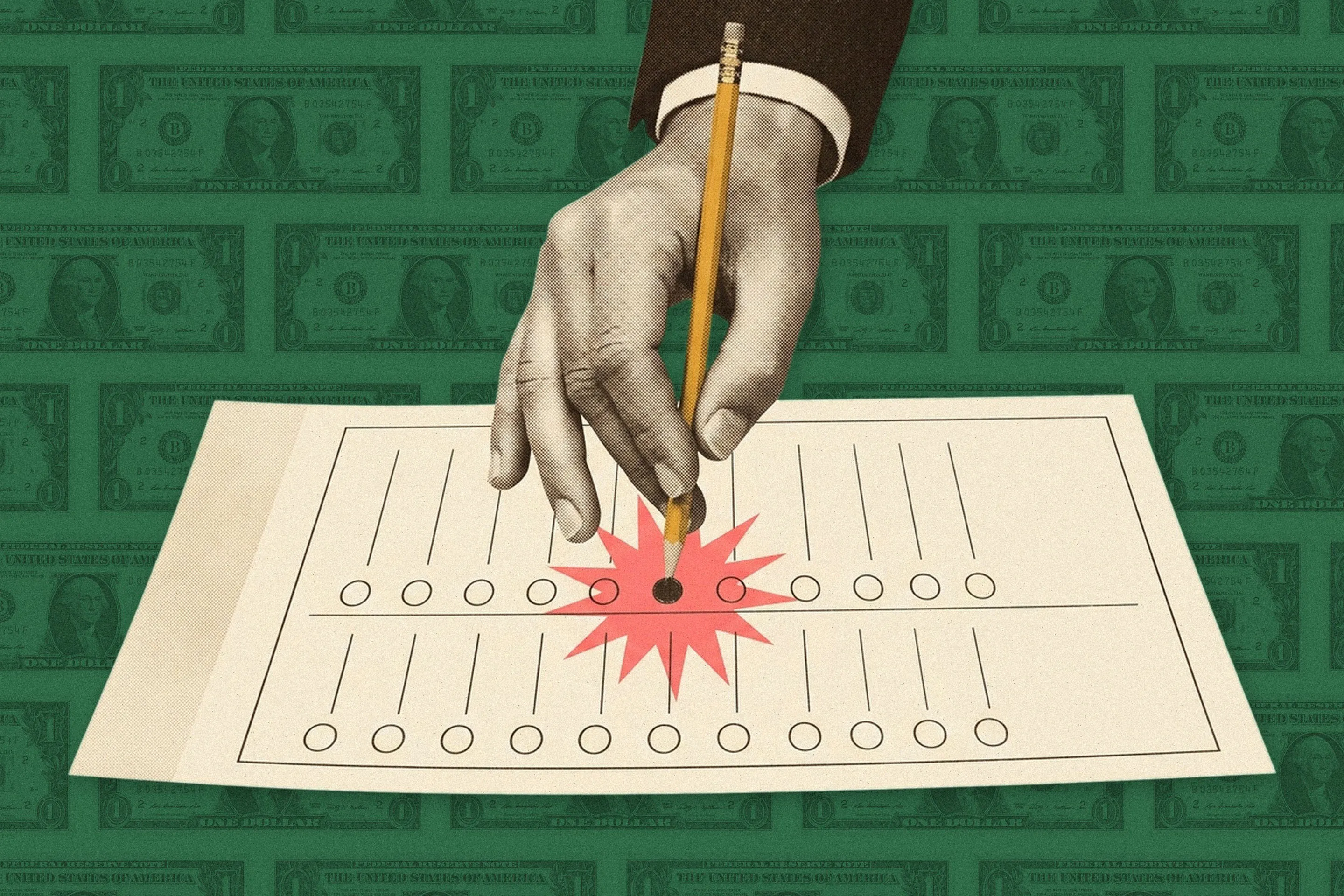
Voters across America face a cluttered ballot this fall. Beyond the race for office, they'll decide on ballot measures that touch their pocketbooks directly. These propositions reshape tax burdens, reshape spending habits, and rewrite rules around housing and entertainment. Here's what matters for your finances.
Soda taxes dominate several state ballots. Cities including Denver and parts of California have implemented excise taxes on sugary drinks, ranging from one to three cents per ounce. Supporters argue the revenue funds public health. Critics warn it increases grocery bills for families already squeezed by inflation. The tax sticks to manufacturers and retailers who pass costs to consumers.
Property tax measures appear in nearly every region. Some propositions cap annual tax increases. Others exempt senior homeowners or veterans from reassessment. California's Proposition 13, renewed periodically through ballot measures, limits property tax rates to 1 percent of assessed value. These measures benefit existing homeowners but can starve local budgets for schools and infrastructure.
Renter protections gained traction on midterm ballots. Measures impose rent control, limit evictions, or require just cause for lease termination. Oregon passed broad rent control rules. San Francisco restricted rent increases. These policies appeal to renters facing surging housing costs but raise concerns among landlords and economists who worry about reduced housing supply.
Sports betting arrives on ballots in states without existing frameworks. Kansas, Maryland, and Ohio voters weigh legalized mobile betting. Legal sports betting generates state tax revenue but creates questions about gambling addiction and consumer protection. States that legalized sports betting collect 8 to 15 percent of handle in taxes and fees.
Free or expanded school meal programs appear on several ballots. California and other states propose universal breakfast and lunch for public school children. The cost runs into hundreds of millions annually. Supporters cite reduced childhood hunger. Critics question whether universal programs serve those truly in need.
Minimum wage increases surface on ballots in conservative and progressive states alike. Florida voters consider raising the wage floor to 13 dollars per hour by 2031. California pursued gradual increases to 15 dollars. These measures boost worker pay but risk job losses in price-sensitive industries.
Billionaire taxes represent a newer ballot trend. Washington state voters approved a capital gains tax targeting investment income above 250,000 dollars per year. Illinois considered an income tax on the wealthy. These measures generate state revenue but raise questions about tax competitiveness.
Pharmacy benefit manager regulation appeared on ballots in multiple states. These measures cap copays, restrict PBM pricing power, or increase transparency. Healthcare costs affect family budgets directly through insurance premiums and out-of-pocket expenses.
Paid family leave expansions gained voter support in Colorado and other states. These programs guarantee income replacement when workers take time off for newborns or caregiving. Funding comes through payroll taxes averaging 0.5 to 1 percent of wages.
Voters shape their financial futures through these measures. Each ballot decision ripples through tax bills, grocery costs, housing options, and wage earnings. The midterm ballot extends beyond candidates to rules that govern daily spending and long-term wealth building.