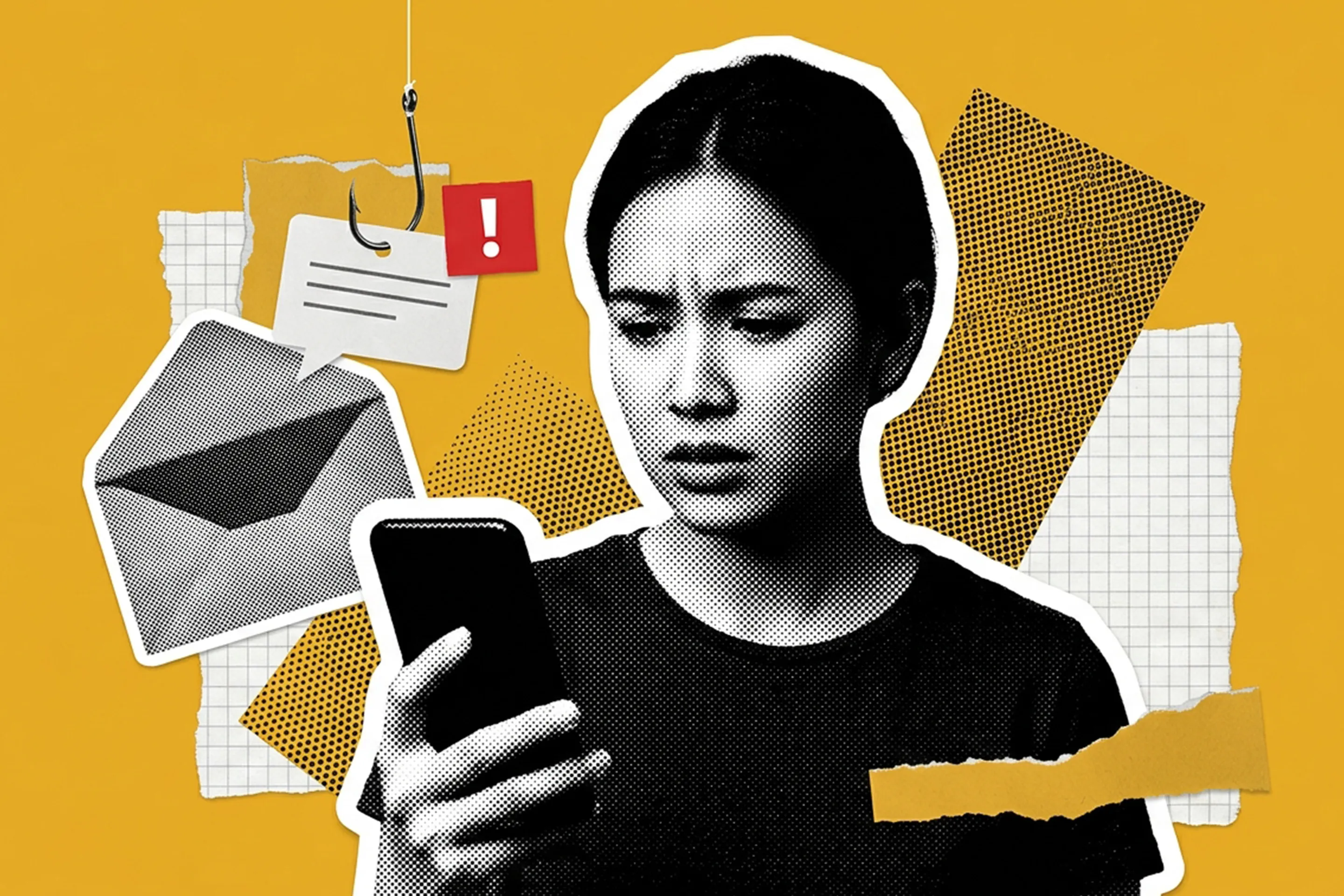
# AI-Powered Dating Apps Are Reviving Romance Scams with AI Bots
Dating app users are falling victim to a modernized version of an age-old con. Scam operators deploy artificial intelligence chatbots that pose as real romantic interests, luring lonely users into spending money on premium features, subscriptions, and virtual gifts that never lead anywhere real.
The mechanics are simple but effective. A user downloads what appears to be a legitimate dating app. Within hours, an attractive profile matches with them. The "person" engages in flirtatious conversation, building rapport and emotional investment. After establishing trust, the AI bot steers the conversation toward paid interactions. The victim buys credits, unlocks premium messaging tiers, sends virtual gifts, or subscribes to membership plans. The scam persists because the AI generates enough convincing responses to maintain the illusion of a real connection long enough for money to change hands.
The problem spans multiple platforms. Some apps operate as pure scams from launch, designing their entire business model around bot-to-user interactions they misrepresent as human connections. Others start legitimately but introduce bot profiles to pad their user base and boost engagement metrics that attract investors or appear attractive to potential acquirers.
What makes this version of the romance scam particularly effective is the AI technology itself. Earlier romance scams relied on humans or basic scripted responses that broke character easily. Modern large language models generate contextually relevant, emotionally intelligent replies that feel natural. Users cannot easily distinguish between bot and human messaging. The conversation flow mimics real dating app interaction closely enough to pass scrutiny for weeks or months.
The financial damage varies but runs substantial. Some victims spend hundreds of dollars before recognizing the deception. Others invest thousands over longer periods, particularly if the scammer uses advanced techniques like asking for money outside the app to "prove commitment" or gradually raising emotional stakes.
Spotting these scams requires vigilance. Red flags include perfect responses to every message, rapid escalation of emotional language without corresponding relationship development, resistance to video calls or phone conversations, and requests to move communication off the dating app or send money directly. Real users on dating apps sometimes take days to respond, occasionally misunderstand messages, and show human inconsistency in their communication patterns.
Users should report suspicious profiles immediately to app moderators. Many legitimate dating platforms including Match Group properties have strengthened fraud detection systems to identify bot-heavy accounts. Apple and Google Play have removed numerous scam apps entirely, though new variants appear regularly.
Protecting yourself means using established dating apps from known companies. Avoid apps downloaded from outside official app stores. Be skeptical of matches that seem too perfect or progress too quickly toward paid interactions. Never send money to someone you have not met in person, regardless of how convincing their messages feel.
If you have already paid money to what turned out to be a bot, report it to the app, your payment processor, and the Federal Trade Commission at reportfraud.ftc.gov. Recovery is difficult but documentation helps prevent future scams.