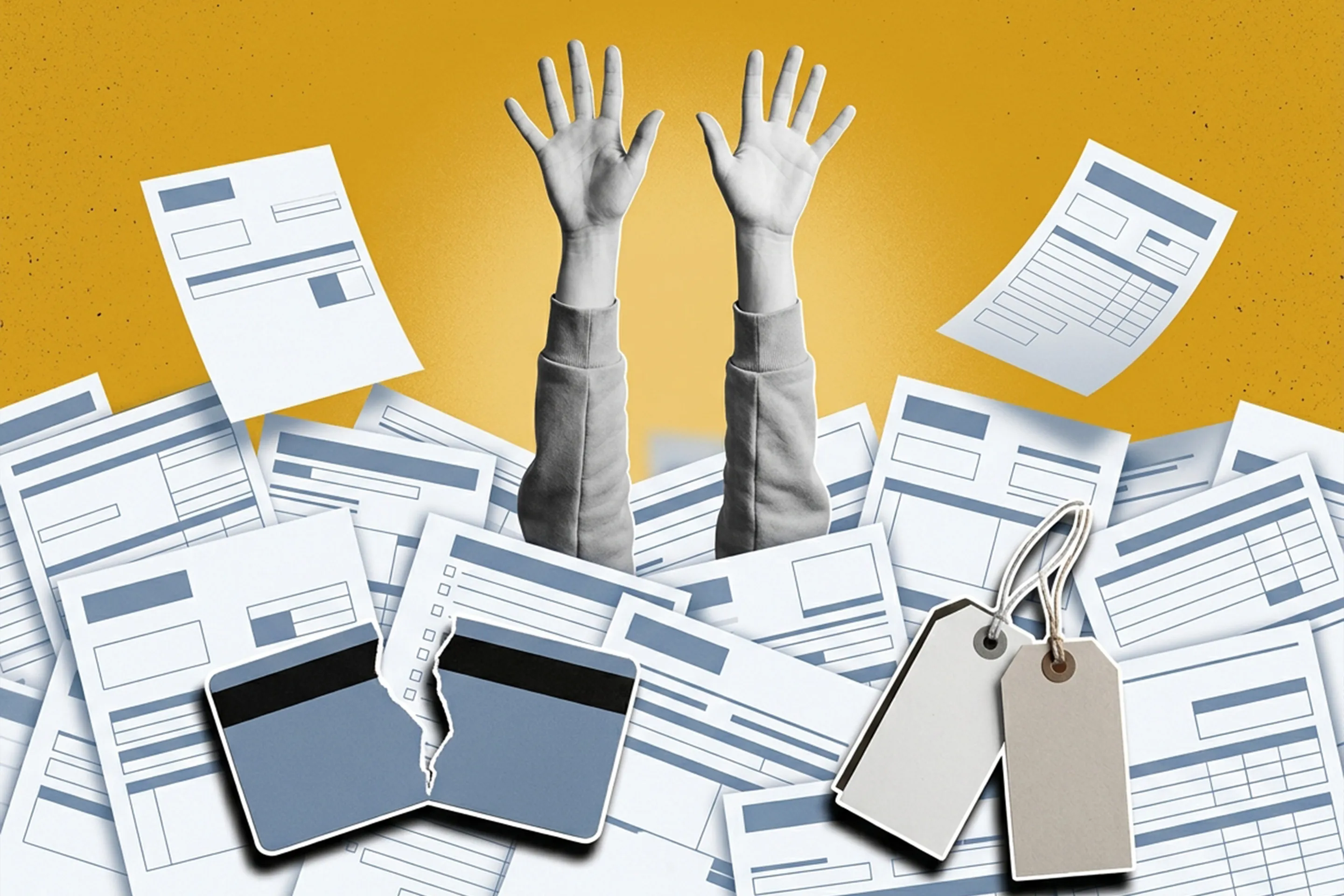
# How Bad Credit Quietly Inflates Your Everyday Bills
Your credit score does more than determine loan approval rates. It acts as a financial report card that lenders, insurers, and utility companies use to price what they sell you. A poor credit score can turn ordinary purchases into expensive ones across six major spending categories.
## Insurance Premiums Climb Fast
Auto insurance companies pull credit scores before quoting rates. Drivers with poor credit often pay 50 to 100 percent more annually than those with excellent scores. A driver with a score below 580 might pay $1,500 annually for the same coverage that costs someone with a 750+ score just $750. Renters insurance and homeowners insurance follow the same logic. Insurers view low credit scores as indicators of financial instability, not just borrowing risk.
## Utilities Require Deposits
Electric, gas, and water companies check credit before service activation. Customers with poor credit scores face upfront deposits ranging from $100 to $500. A customer with good credit often bypasses this requirement entirely. These deposits tie up cash that could go toward other needs.
## Cell Phone Contracts Cost More
Wireless carriers check credit to assess whether you will pay your monthly bill. Low credit scores force you toward prepaid plans or require you to prepay for the full year upfront. Contract plans for poor credit customers often come with reduced phone subsidies and lower data allowances.
## Mortgages Become Unaffordable
Home loans to borrowers with credit scores under 620 carry interest rates 1 to 3 percentage points higher than those offered to borrowers with 740+ scores. On a $300,000 loan, a borrower with a 580 score might pay 7.5 percent, while a borrower with a 760 score pays 5.0 percent. Over 30 years, this difference amounts to roughly $180,000 in extra interest paid.
## Rental Housing Becomes Harder
Landlords routinely run credit checks on prospective tenants. Those with poor scores face rejection outright or must pay higher security deposits, sometimes 2 to 3 months of rent instead of one. Some landlords demand cosigners or require first month, last month, and double security deposits upfront.
## Credit Card Rates Soar
Credit card issuers offer rates from 15 percent to over 30 percent based on credit score. A person with a 580 score might qualify only for cards with 26 percent APR, while someone with a 750 score receives 14 percent offers. Carrying a balance becomes exponentially more expensive.
## The Path to Recovery Costs Less
Improving your credit score requires time and discipline, but the payoff is substantial. Paying all bills on time, reducing credit card balances, and checking your credit report for errors can raise your score by 50 to 100 points within six months. Each point gained reduces what you pay across insurance, loans, and utilities.
The cost of bad credit extends far beyond loan denials. It touches every household budget line, making poor financial history an expensive burden that compounds monthly and yearly.