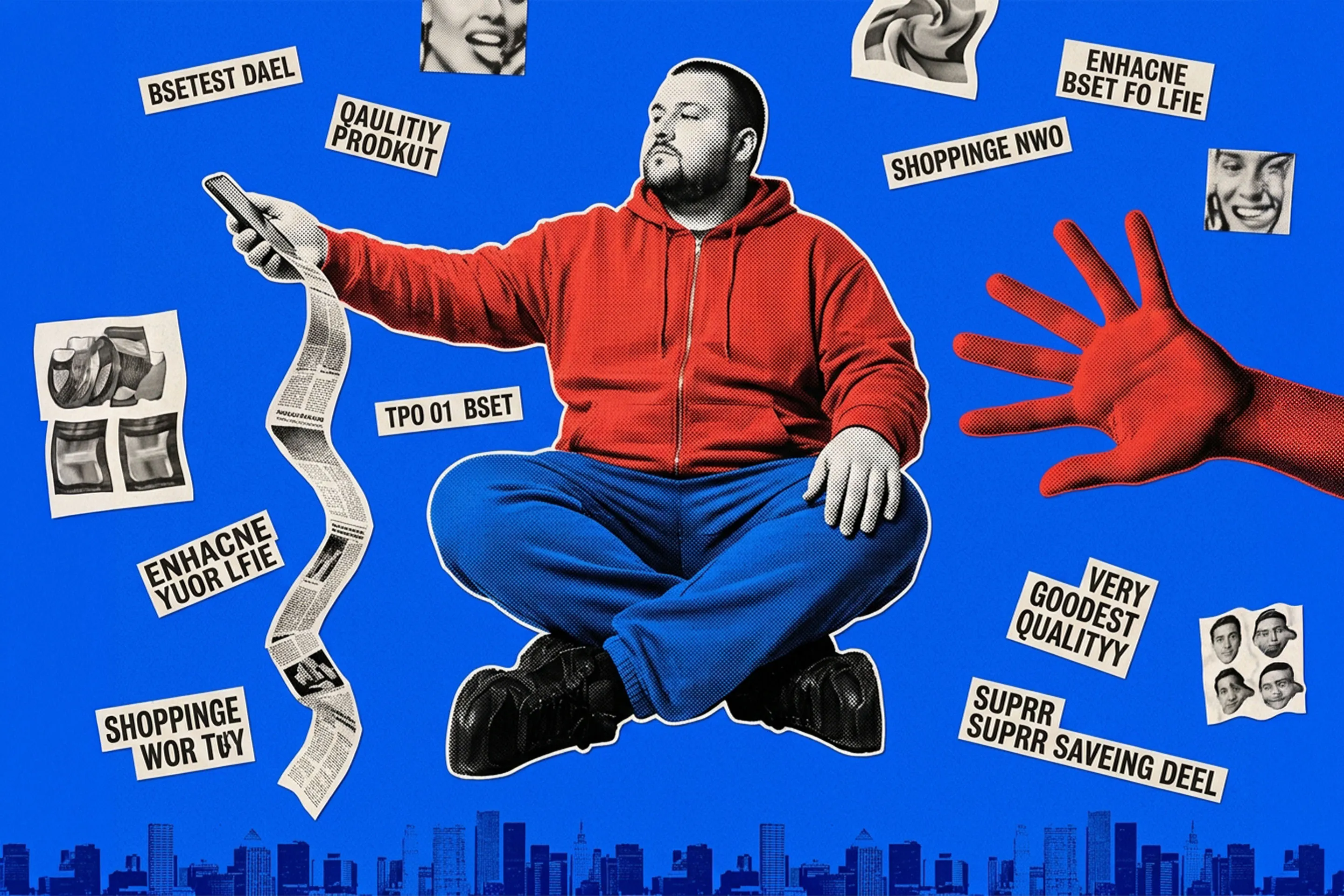
# AI Slop Is Everywhere. Here's How to Avoid Spending Money on It
Artificial intelligence-generated content floods digital marketplaces. Amazon now hosts thousands of AI-written books. Music streaming platforms carry AI-composed tracks. Art marketplaces overflow with machine-generated images. Consumers who pay for these products often get low-quality work they could have skipped entirely.
The problem stems from low barriers to entry. Anyone can feed a prompt into tools like ChatGPT, DALL-E, or Midjourney, generate content in minutes, and upload it to selling platforms. The financial incentive is obvious. A human author spends months on a novel. An AI operator spends an afternoon generating ten books. Neither requires talent, editing, or original thought.
**Where the junk accumulates**
Amazon's self-publishing platform Kindle Direct Publishing leads the pack. Thousands of AI-written novels flood the store daily, many with generic covers and bland titles that rank algorithmically but deliver nothing substantive. Audiobook platform Findaway carries similar inventory. Spotify and Apple Music host instrumental tracks generated entirely by machines, often credited to fake artist names. Etsy and Fiverr overflow with AI art prints, many indistinguishable from one another.
**Red flags to watch**
Author names that sound generated (random word combinations, unusual spellings) signal potential AI authorship. Books with suspiciously fast publication schedules across multiple genres from one "author" suggest automation. Look at reviews. AI slop typically has zero legitimate reviews or suspicious patterns of five-star ratings with generic praise.
For music, algorithmic instrumental tracks lack human performance variation. Listen for repetitive loops, unnatural instrument transitions, or production that sounds technically competent but emotionally flat. Artist bios that vaguely describe the creator offer another clue.
Art purchases warrant scrutiny. AI-generated images often contain anatomical errors, distorted hands, or weird spatial relationships. Reverse image search tools like Google Images can reveal whether an artwork appears elsewhere online in nearly identical form.
**What to look for instead**
Seek out verified authors with publishing histories. Check Amazon author pages for social media links and legitimate credentials. For music, find artists with real social profiles, tour dates, and genuine fan communities. On Etsy and similar platforms, buy from creators with detailed artist statements, process photos, and long customer histories.
Support platforms that prioritize human creators. Substack, Patreon, and Bandcamp connect readers and listeners directly to artists. These sites depend on authentic human work because their business models rely on fan loyalty, not volume.
Read customer reviews carefully. Legitimate products accumulate mixed, detailed feedback over time. AI slop generates either nothing or suspicious clusters of identical praise. Look for reviewers who cite specific details about what they purchased.
Price offers clues too. Genuinely exceptional art, music, or writing commands higher prices. Suspiciously cheap ebooks, prints, or tracks often reflect their actual quality. If a book costs $0.99 and has a one-word title, your money would probably go toward something better.
Your wallet protects itself through basic research. Ten minutes reviewing an author's background, checking reviews, and listening to samples prevents wasting money on forgettable content. The market will eventually saturate with AI output, making human-created work even more valuable.