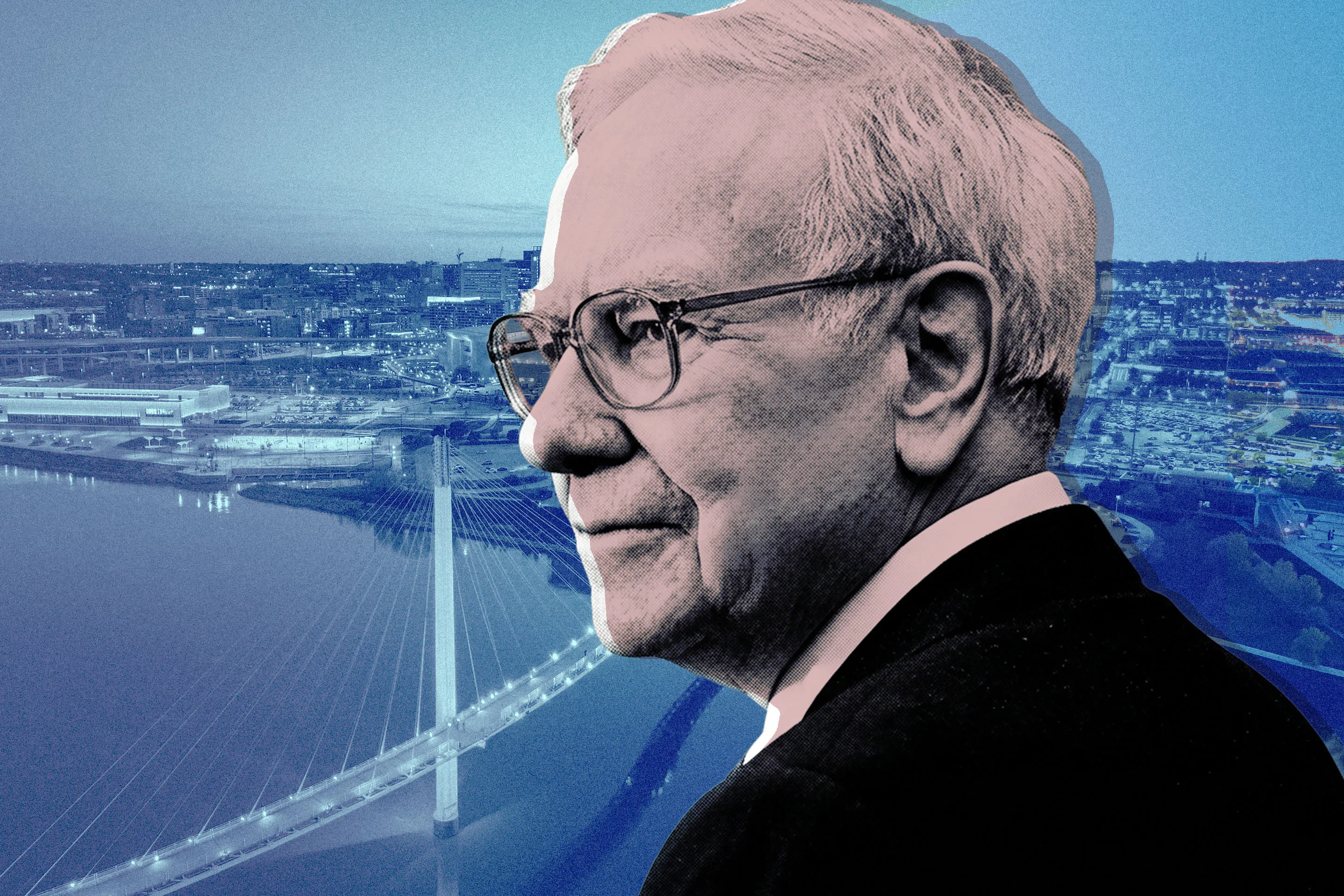
Warren Buffett has announced his retirement as chairman of Berkshire Hathaway after more than 60 years leading the conglomerate. The 94-year-old investor will remain as CEO, though the company has not specified a timeline for that transition. Greg Abel, 64, continues as vice chairman and is widely expected to succeed Buffett in the top job once the leadership change completes.
This move formalizes a succession plan Berkshire Hathaway outlined years ago. Buffett separated the chairman and CEO roles in 2021 when he appointed Abel as vice chairman, signaling the direction of future leadership. The current structure places Ajit Jain, Berkshire's longtime insurance chief, as vice chairman alongside Abel. Both executives have spent decades at Berkshire and understand the company's investment philosophy and operating practices.
For shareholders, the transition addresses a long-standing question about Berkshire's future. The company has nearly $167 billion in cash and cash equivalents, operates dozens of subsidiaries, and holds major stakes in Apple, Bank of America, and American Express. Continuity matters. Investors have relied on Buffett's reputation and decision-making for decades. His absence raises questions about capital allocation, dividend policy, and whether new leadership maintains Berkshire's disciplined approach to acquisitions and stock buybacks.
Buffett's tenure reshaped Berkshire from a struggling textile mill into a diversified holding company worth over $900 billion. He built an internal culture emphasizing long-term thinking, decentralized operations, and conservative financial management. Under his leadership, Berkshire rarely paid dividends, instead reinvesting profits and buying back stock at reasonable valuations. This strategy delivered returns that substantially outpaced the S&P 500 over multiple decades.
The transition has already begun. Buffett announced he would step down as Berkshire's trustee and urged shareholders to vote against extending his tenure in those roles. This signals he wants clean separation between his personal wealth management and Berkshire's corporate governance. Berkshire trustees oversee the distribution of Buffett's $130 billion fortune, primarily to the Bill and Melinda Gates Foundation and family charities.
For ordinary investors holding Berkshire stock, little changes immediately. The company's board of directors includes several seasoned executives and independent directors who have worked alongside Buffett for years. Charlie Munger, Buffett's longtime vice chairman and investment partner, passed away in November 2023 at age 99, removing one source of institutional continuity. However, the leadership team has prepared for this transition methodically.
Investors should monitor how new leadership handles capital deployment. Will they pursue major acquisitions? Maintain the stock buyback program? Adjust investment strategy? Berkshire's cash position offers flexibility, but decisions made over the next few years will determine whether the company sustains its historical performance.
The transition also affects Berkshire's culture. The company has historically operated with minimal bureaucracy and maximum trust in subsidiary managers. New leadership must preserve this decentralized approach while modernizing operations for a changing economy. Insurance operations, energy businesses, railroad operations, and technology investments all depend on maintaining institutional knowledge and decision-making consistency.
Berkshire shareholders should expect clarity on succession timing within the next annual report or shareholder meeting. The company typically addresses major governance changes through official announcements. Until then, investors holding Berkshire Class A or B shares face a period of managed transition rather than abrupt change.