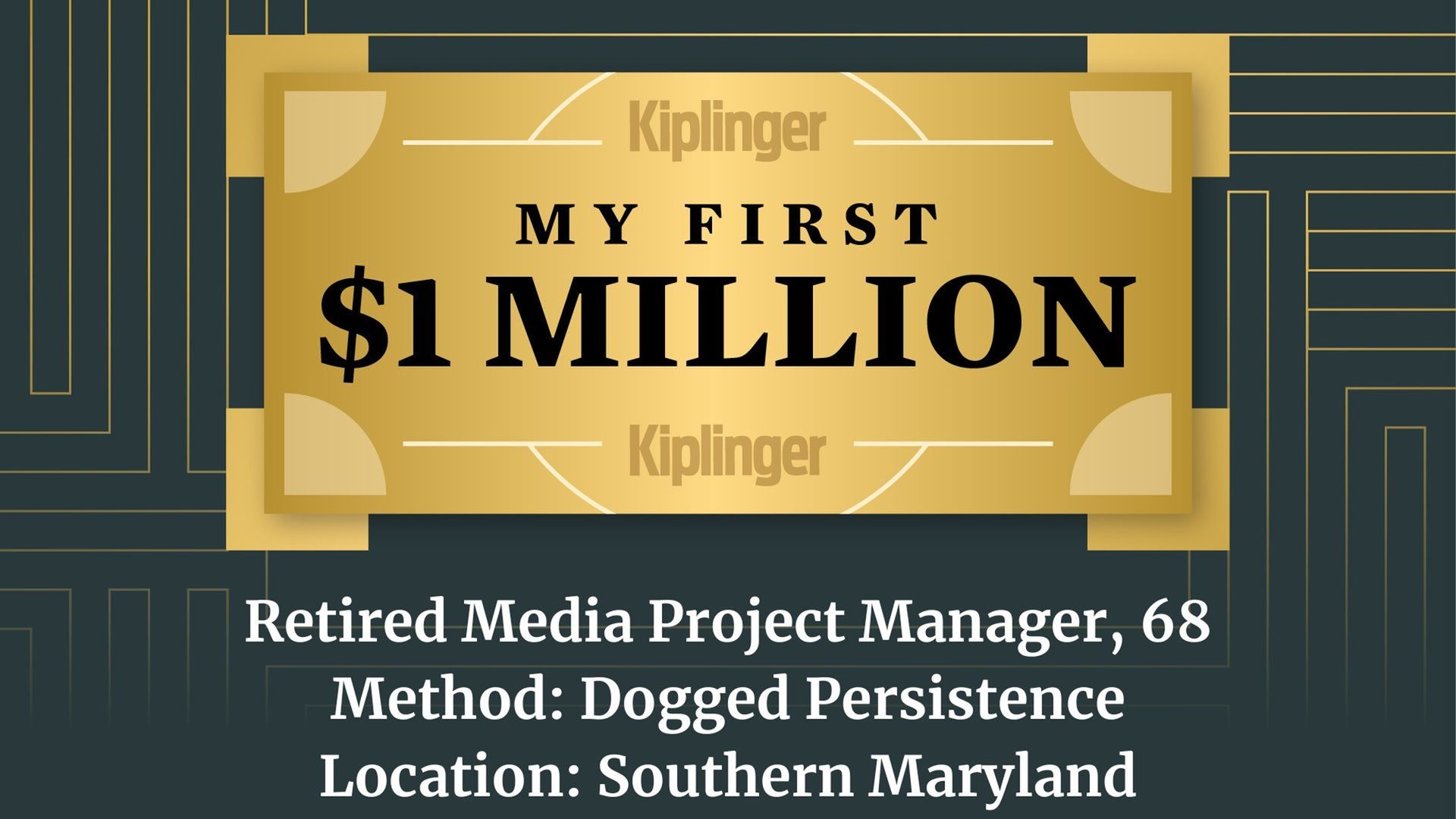
# How a Media Project Manager Built $1 Million by 68
A 68-year-old retired media project manager from Southern Maryland has accumulated over $1 million across savings accounts, retirement accounts, and trading accounts combined. The achievement represents a lifetime of disciplined saving and investing that exceeded his total lifetime earnings.
This milestone offers a concrete example of how ordinary workers can build substantial wealth without high-income professions. Project management roles typically pay solid middle-class salaries, not six figures. Yet this retiree managed to accumulate assets equal to his entire career earnings, suggesting a consistent savings rate and decades of compound growth.
The portfolio structure matters here. Diversifying across multiple account types serves specific tax and access purposes. Retirement accounts like 401(k)s and IRAs provide tax-deferred or tax-free growth and face restrictions on early withdrawals. Taxable savings accounts offer flexibility for shorter-term needs and emergencies. Trading accounts allow active investors to pursue more aggressive strategies while maintaining other holdings in conservative positions.
Building $1 million typically requires starting early and staying consistent. Someone retiring at 68 likely began serious wealth-building in their 30s or 40s, giving 25 to 35 years of compound growth. Annual returns of 7 to 8 percent on diversified investments can double money roughly every decade. Someone saving $10,000 yearly starting at age 35 could reach $1 million by 68 with moderate returns.
The timeline also reflects inflation's hidden advantage. A dollar saved in 1985 had far more purchasing power than one saved in 2024. Early savers benefited from decades of nominal growth on modest nominal contributions. Today's workers face the opposite challenge: they must save much larger dollar amounts to replicate the same relative wealth-building experience.
The key components of this retiree's success likely included employer-matched 401(k) contributions, which provide instant 50 to 100 percent returns through matching funds. Many workers skip or undercontribute to these accounts, leaving free money on the table. A project manager maximizing employer matches would accumulate serious retirement savings over decades.
Regular contributions matter more than investment timing. Someone who invested the same amount monthly regardless of market conditions achieved better results than someone trying to time peaks and valleys. This "dollar-cost averaging" approach removes emotion from investing decisions and reduces the impact of market downturns.
The trading accounts suggest this retiree moved beyond passive investing at some point. Whether through individual stocks, mutual funds, or other vehicles, the willingness to learn and actively manage portions of the portfolio likely contributed to the final result. Not every investor needs to trade actively, but understanding investment options helps maximize returns within personal risk tolerance.
This success story contains no overnight wealth secrets or lottery-style breaks. It shows what consistency, time, and reasonable market returns produce. The $1 million milestone becomes achievable for workers in most professions who start saving early, maximize employer benefits, and maintain discipline through market cycles.
For current workers in their 30s and 40s, the lesson translates directly: starting now and maintaining regular contributions for 25 to 30 years can produce seven-figure results even on ordinary salaries.