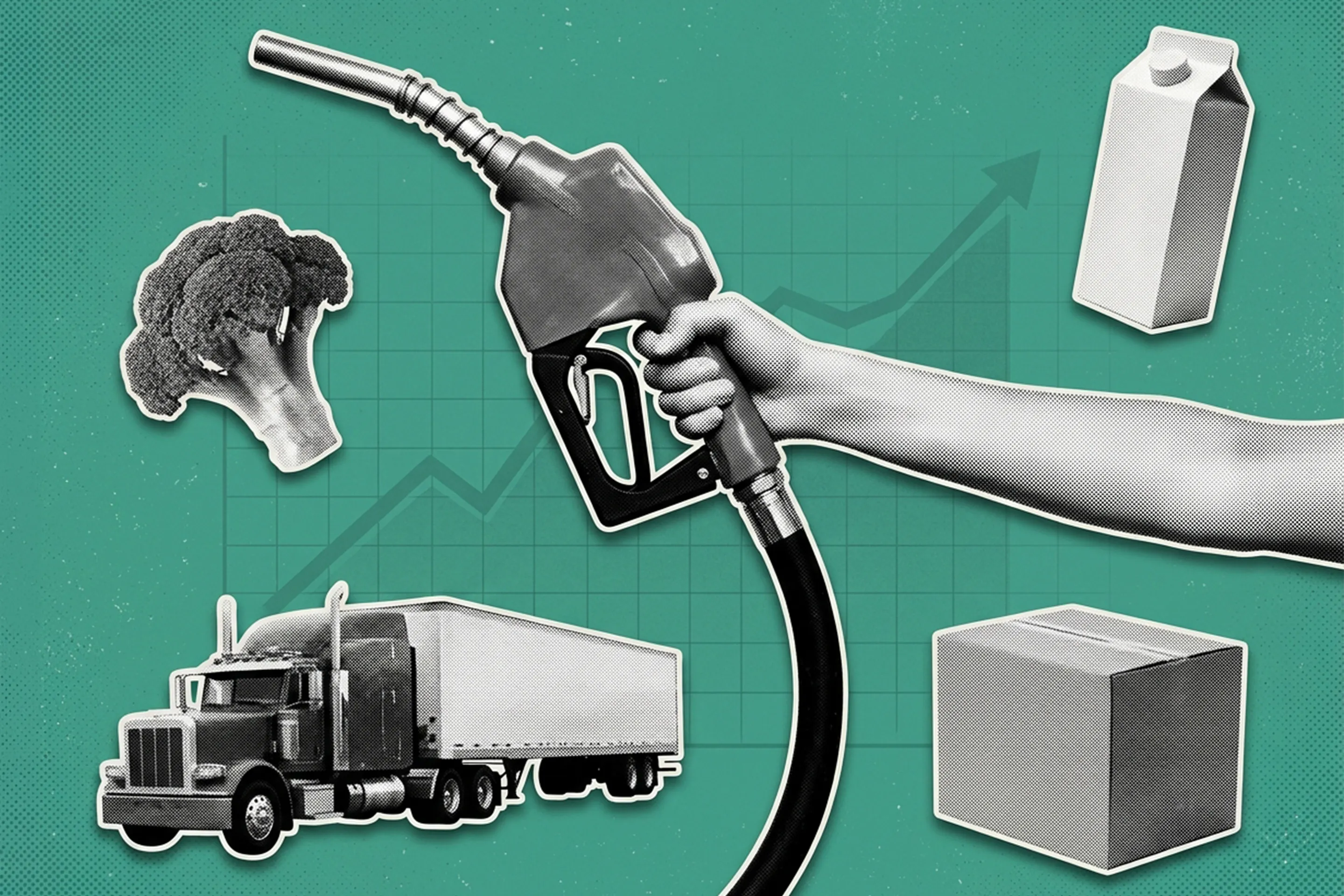
# Diesel Prices Are Surging. Here's How Your Wallet Suffers
Diesel prices have climbed sharply, and the impact extends far beyond drivers filling up their tanks. The ripple effects touch groceries, package deliveries, heating bills, and everyday goods. Understanding where these costs hit hardest helps you prepare your budget.
Diesel fuels the backbone of American commerce. Trucks that haul freight across highways run on it. Trains that transport goods depend on it. Ships that carry imports rely on it. When diesel costs spike, every business that moves products passes those expenses downstream to consumers.
Grocery prices typically rise first and most visibly. Supermarkets source food from farms and distributors hundreds of miles away. Higher diesel costs mean higher fuel surcharges for trucks making those deliveries. A box of cereal, a gallon of milk, fresh produce. These items cost more to transport. Stores absorb some costs but pass others to shoppers. Expect grocery bills to climb within weeks of a sustained diesel surge.
Shipping and package delivery fees follow closely. Companies like FedEx, UPS, and Amazon-contracted carriers operate fleets powered by diesel. When fuel prices jump, carriers implement fuel surcharges on shipments. A package that cost $8 to ship last month could cost $10 this month. E-commerce shoppers foot this bill. Businesses raising prices on shipped goods to cover surcharges also burden consumers.
Heating oil prices rise alongside diesel. In colder regions, many homes use heating oil to stay warm during winter. Heating oil and diesel share similar chemical properties and crude oil bases. Price movements track together closely. Homeowners relying on heating oil can expect steeper bills during cold months when prices spike.
Restaurant menu prices increase as well. Food costs represent one portion of restaurant expenses. Transportation costs represent another. Higher diesel means higher food-ingredient costs plus higher delivery fees to restaurants. Owners typically raise menu prices to maintain profit margins. Eating out becomes more expensive across fast-casual and full-service establishments.
Construction materials and labor costs climb too. Concrete trucks, lumber delivery vehicles, and equipment transporters all burn diesel. When fuel costs rise, construction companies raise bids for projects. Home renovation costs increase. New building projects become more expensive. This trickles into housing costs and commercial real estate.
The timing matters here. Diesel spikes during peak demand periods. Winter heating season coincides with year-end holiday shopping and shipping demand. Summer construction season compounds costs. Prices often spike during geopolitical events or refinery disruptions that limit supply.
Tracking diesel prices gives you a warning signal. The Energy Information Administration publishes weekly diesel price data. When prices spike above $3.50 per gallon, expect consumer price increases within two to four weeks. Hedge against rising costs by buying groceries before price hikes hit shelves. Consider locking in heating oil prices early if you use home heating oil. Postpone non-urgent shopping and construction projects when diesel spikes sharply.
The lag between diesel prices and consumer price changes creates a window. Smart shoppers use this window to adjust spending habits and lock in current prices before downstream increases hit retail.