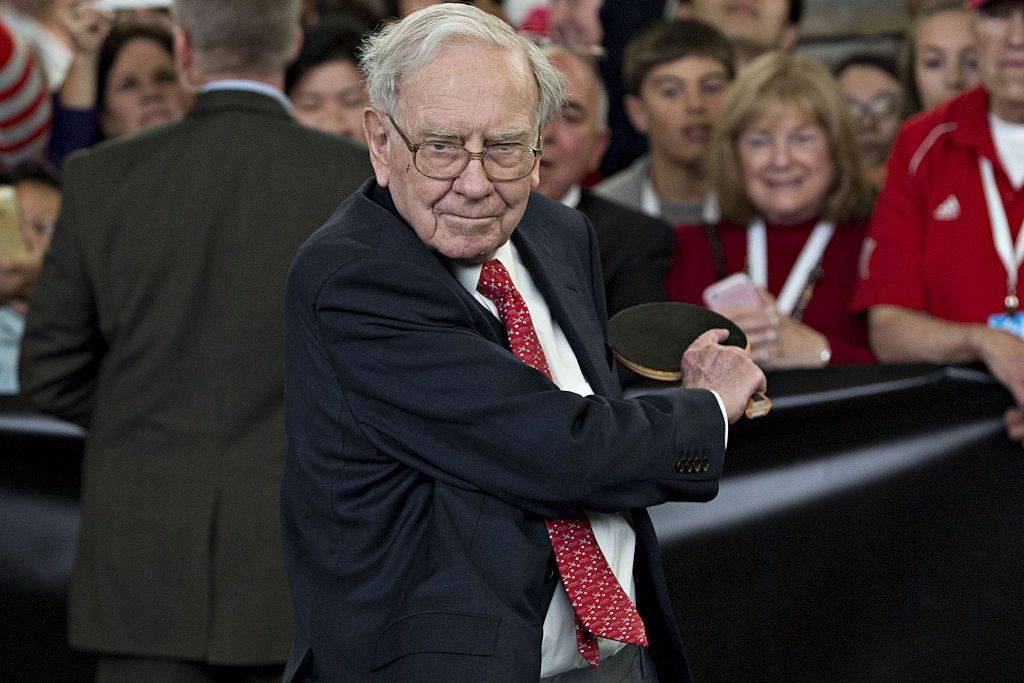
Warren Buffett has stepped down as chairman of Berkshire Hathaway, the multinational conglomerate he built into one of the world's largest holding companies. The 93-year-old investor retains the title of chairman emeritus, a largely ceremonial role that reflects his decades of leadership while signaling a formal transition at the helm.
This move marks a watershed moment for one of investing's most influential figures. Buffett took control of Berkshire Hathaway in 1965 when it was a struggling textile manufacturer and transformed it into a diversified powerhouse with stakes in insurance, energy, railroads, manufacturing, and major public companies like Apple and American Express. His track record of consistent outperformance and shareholder-friendly capital allocation earned him the nickname "Oracle of Omaha."
The transition raises immediate questions about succession and the future direction of Berkshire's $900 billion portfolio. Greg Abel, Berkshire's vice chairman of non-insurance operations, has been widely expected to assume greater control. The company has prepared for this transition methodically over several years, gradually shifting decision-making authority while Buffett remained engaged in major investment and strategic choices.
For ordinary investors, Buffett's step back matters because Berkshire Hathaway operates as a holding company for millions of American savers. Many hold Berkshire shares directly in retirement accounts or taxable brokerage accounts. Others own pieces of the company indirectly through mutual funds and exchange-traded funds tracking the S&P 500 or other broad indices. The company's massive insurance operations, through subsidiaries like GEICO and National Indemnity, touch consumers across the country. Its utility operations in Nevada, Iowa, and other states power homes and businesses. Burlington Northern Santa Fe operates one of America's largest freight networks.
Buffett's departure from the daily chairmanship does not signal an immediate change in investment philosophy. Berkshire's core principles remain intact: conservative financial management, long-term holding periods, preference for simple businesses with durable competitive advantages, and reinvestment of profits rather than high dividend payments. These tenets shaped the company for nearly six decades and remain embedded in its culture and governance.
The company faces real headwinds regardless of who sits in the chairman's office. Rising interest rates have pressured the valuations of Berkshire's largest holdings. Inflation has squeezed insurance underwriting margins and utility profitability. Generational wealth transfer and changes in how younger investors approach diversification present long-term challenges for a company built on the talents of a single visionary.
Investors holding Berkshire shares should monitor leadership decisions and capital allocation choices over the coming quarters. The company's financial strength remains intact, and its diversified portfolio of businesses and investments provides a natural hedge against sector-specific downturns. Dividend growth will likely remain muted since Berkshire has historically preferred buybacks and reinvestment.
Buffett's emeritus status reflects reality: no single person, regardless of talent, runs major institutions forever. Berkshire Hathaway has systems, governance structures, and a management team built to outlast any individual leader. That durability, more than Buffett's presence, ultimately determines whether the company continues to deliver returns to shareholders.