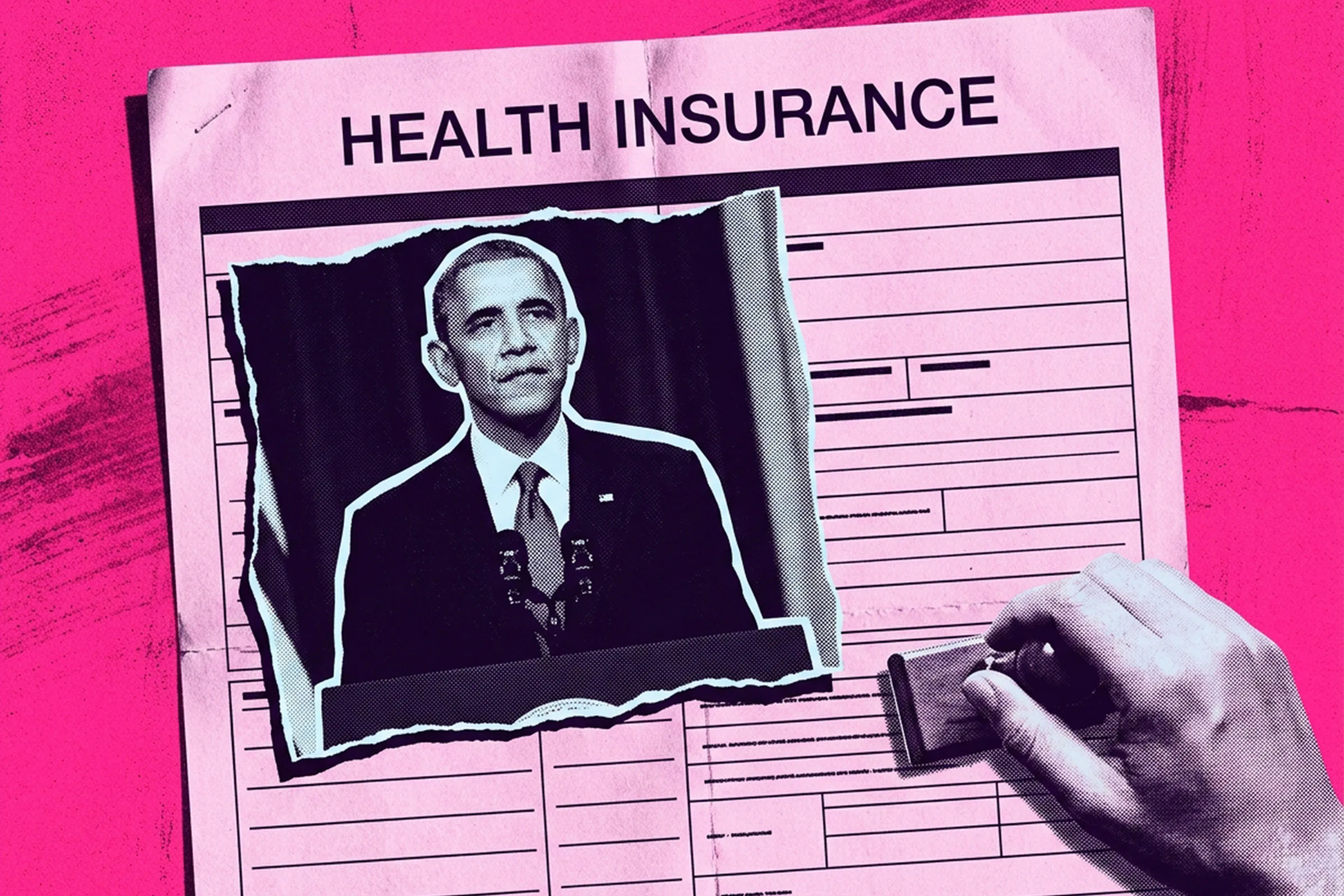
# Trump Promises $500 Obamacare 'Refunds.' Here's Who Qualifies
President Trump announced a plan to send $500 refund checks to people who held Affordable Care Act insurance during his first term, positioning the payments as compensation for what he characterizes as overpriced premiums. The announcement arrived the same day he promised $5,000 dividend checks to every American adult if Republicans control Congress after the midterm elections.
The $500 Obamacare refund targets individuals who purchased health insurance through the ACA marketplace between 2017 and 2021, Trump's presidential years. The administration frames this as returning money to people harmed by what it calls inflated premiums under the health law. Details on income thresholds, coverage duration requirements, or the mechanism for distributing funds remain unclear.
For households earning between 200 and 400 percent of the federal poverty line, the ACA marketplace offered substantial subsidies during those years. A 60-year-old earning $60,000 annually could pay as little as $1 monthly for bronze plans in some markets, according to Centers for Medicare and Medicaid Services data. Younger enrollees at comparable income levels often paid even less. Whether the refund applies to all marketplace users or only those who paid higher out-of-pocket amounts depends on implementation details the Trump team has not disclosed.
The refund announcement requires congressional action and faces legal hurdles. Democrats and health policy experts contend that ACA premiums reflected market rates and that refunds could constitute unlawful transfers of government funds without appropriation. The Treasury Department would need congressional approval to issue payments from federal coffers. Any payment scheme would likely face immediate litigation challenging its legal basis.
The timing raises political questions. The midterm elections occur in November. A $500 check arriving before voting could influence enrollment and voting behavior. Democratic-leaning voters comprise a disproportionate share of ACA marketplace users, making refunds politically targeted.
The simultaneous $5,000 dividend promise creates additional confusion about the administration's spending plans. Funding mechanisms for either proposal remain unspecified. The $5,000 per-adult plan would cost approximately $1.3 trillion annually if applied to the full adult population, dwarfing most federal spending categories except Social Security and Medicare.
Analysts from across the political spectrum note that actual implementation faces obstacles. Congress controls the federal purse. The current Republican majority in the House holds only a narrow margin, complicating passage of novel spending initiatives. Senate rules could also slow or block appropriations bills introducing new payments.
For ACA enrollees considering their options, these promises remain speculative until legislation passes and survives legal challenge. Current enrollment in marketplace plans stands at a record 18 million Americans as of 2024. Households should continue evaluating coverage based on existing premiums, subsidies, and benefits rather than anticipated refunds.
The refund proposal reflects broader Republican criticism of the Affordable Care Act. Trump attempted to repeal the law entirely during his first term without success. This refund approach represents a different strategy to undermine the program's popularity while providing direct payments to supporters.