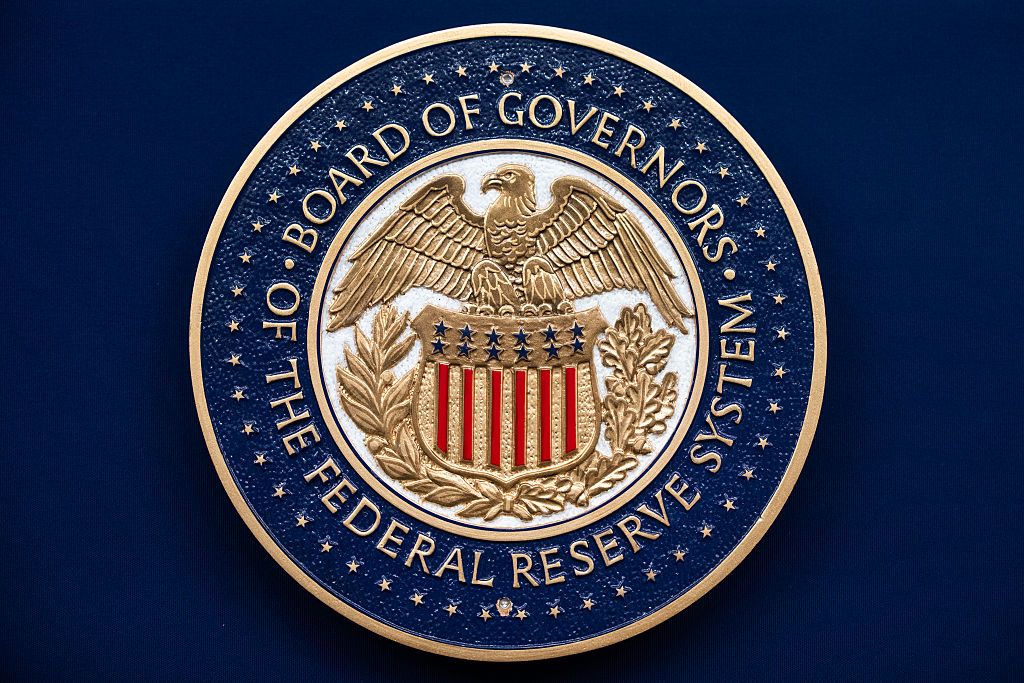
The stock market stumbled on Wednesday as investors braced for the Federal Reserve's latest policy announcement on inflation and interest rates. The Dow Jones Industrial Average dropped 328 points, reflecting broader weakness across equities as traders grappled with rising oil prices and climbing bond yields.
The market's retreat highlights a familiar tension. Higher oil prices threaten corporate profit margins and consumer purchasing power. Rising bond yields make stocks less attractive relative to safer Treasury bonds, which now offer better returns without equity risk. Both dynamics typically push stock valuations lower.
The Fed meeting represents the real pivot point here. Central bank decisions on interest rates ripple through every corner of the financial system. When the Fed signals tighter policy, bond yields climb further, making new stock investments less compelling. When policymakers hint at future rate cuts, equities often rally because cheaper borrowing costs support corporate earnings growth.
Oil prices add another layer. West Texas Intermediate crude has been climbing, driven by geopolitical tensions and OPEC production decisions. For consumers, higher pump prices crimp discretionary spending and hit airline and transportation stocks hard. For energy companies, the story flips. Higher crude benefits oil producers like ExxonMobil and Chevron, but refiners and plastics manufacturers face margin compression.
Bond yields rising matters for your portfolio in concrete ways. The 10-year Treasury yield anchors long-term borrowing costs for mortgages, car loans, and corporate debt. When yields climb, new mortgages become more expensive. That cools housing demand. Corporations carrying debt face higher refinancing costs when bonds mature. And savers finally see better returns on CDs and money market funds, which track short-term Treasury yields closely.
For stock investors, the calculus is straightforward. Treasury bonds compete directly with equities for your investment dollars. At current yields, some investors can get 4.5% to 5% annually from government bonds with zero default risk. That makes holding volatile stocks less appealing unless equity valuations fall sharply or earnings growth accelerates.
The Fed faces its own balancing act. Inflation remains above the central bank's 2% target, which historically has justified holding rates higher for longer. But persistent high rates also risk triggering a recession and crushing corporate earnings. The Fed must signal whether it plans to hold rates steady, cut them, or potentially raise them further.
Market timing around Fed announcements rarely works. Institutional investors and algorithmic traders already price in most likely scenarios before the announcement arrives. What moves stocks is surprise. If the Fed sounds more hawkish than expected, equities typically sell off. If policymakers surprise with dovish language, stocks bounce.
For ordinary investors, the lesson is familiar. Diversify across stocks, bonds, and cash. When bond yields spike, they offer better value than they did months ago. When stocks decline on Fed uncertainty, long-term investors find better entry points. A portfolio balanced between equities and fixed income automatically tilts toward relative value without requiring you to predict Fed moves.