# Five Fall Trips Worth Planning for Your Retirement Years
Retirement unlocks travel opportunities that working life rarely permits. Fall represents the ideal season to execute those plans, with mild temperatures, thinner crowds, and lower prices than peak summer months. Five destinations stand out as genuinely worthwhile for retirees seeking nature, culture, and authentic experiences without the commercial crush.
New England autumn dominates the list for good reason. Vermont, New Hampshire, and Maine deliver peak foliage from mid-September through October, transforming hillsides into canvases of red, orange, and gold. Retirees benefit from flexible schedules that allow midweek travel when leaf-peepers thin out. The region offers manageable walking distances, farm-to-table restaurants that showcase local produce at harvest time, and small-town lodging options that won't drain retirement accounts.
The Hudson Valley in New York combines natural beauty with cultural depth. Fall apple picking, riverside walks, and proximity to historic homes like the Vanderbilt estate appeal to retirees seeking substance over spectacle. Farm stands selling just-pressed cider and fresh produce dot the landscape. Regional restaurants showcase farm-to-table menus without the Manhattan price tags.
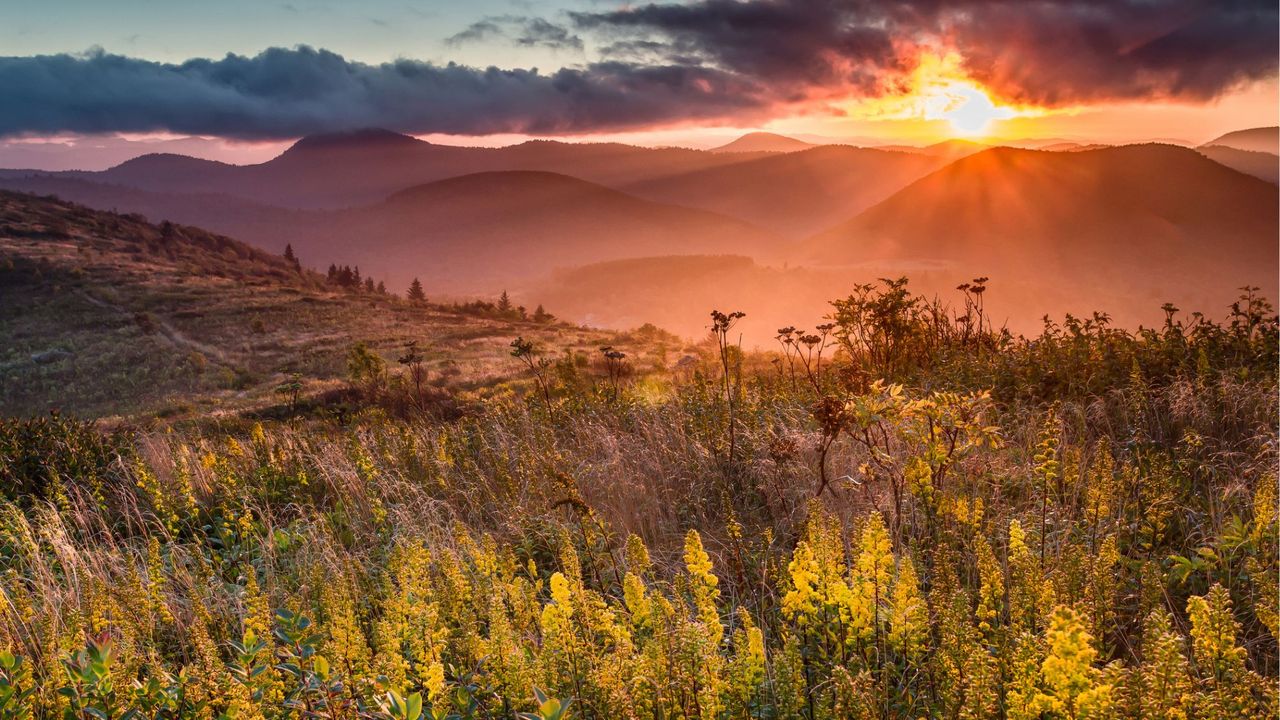
The Blue Ridge Mountains spanning North Carolina, Virginia, and Tennessee offer gentler terrain than Western peaks. Scenic drives on the Blue Ridge Parkway require minimal exertion while delivering panoramic mountain views. Small towns like Asheville, North Carolina, provide excellent museums, craft breweries, and restaurants in walkable downtown cores. Fall temperatures make outdoor exploration comfortable for those with mobility considerations.
Savannah, Georgia, presents coastal history with subtropical fall weather that avoids summer humidity. Spanish moss hangs from live oak trees lining squares perfect for afternoon strolls. The Historic District remains navigable without demanding hiking or extreme walking distances. Local restaurants serve Low Country cuisine built on shrimp, okra, and corn at their seasonal peak. Prices drop noticeably once September heat breaks.
The Upper Peninsula of Michigan appeals to retirees seeking solitude and natural drama. Fall colors reflect in pristine lakes. Fewer crowds than Great Lakes shore areas elsewhere mean peaceful walks along shorelines and through forests. Small towns maintain quiet charm without resort overcomprises. Waterfall hikes range from easy to moderate, accommodating varying fitness levels.
Retirement travel demands differ from vacation models built around rushed sightseeing. Retirees gravitate toward destinations where tempo slows naturally. Fall amplifies this advantage. Summer brings families and school groups. Winter closes many attractions and restaurants. Spring still attracts shoulder-season crowds. October and November offer the sweet spot where weather remains pleasant, hours extend beyond winter restrictions, and visitor volume drops sharply.
Financial advantages matter too. Hotels, restaurants, and attractions offer lower rates before holiday season pricing kicks in. Travel becomes more affordable precisely when retirement budgets tighten. Flight availability improves once kids return to school, giving retirees more scheduling power and better fares.
These five destinations share practical qualities retirees value. None requires extreme physical exertion or demanding itineraries. All offer quality food and cultural experiences beyond simple sightseeing. Transportation within regions remains manageable without car rental complexities or excessive driving distances.
Fall travel as a retiree means choosing destinations that reward unhurried exploration. These five regions deliver that experience while respecting both physical limitations and fixed incomes.