# Will Trump Really Pay You $5,000 if Republicans Sweep the Midterms?
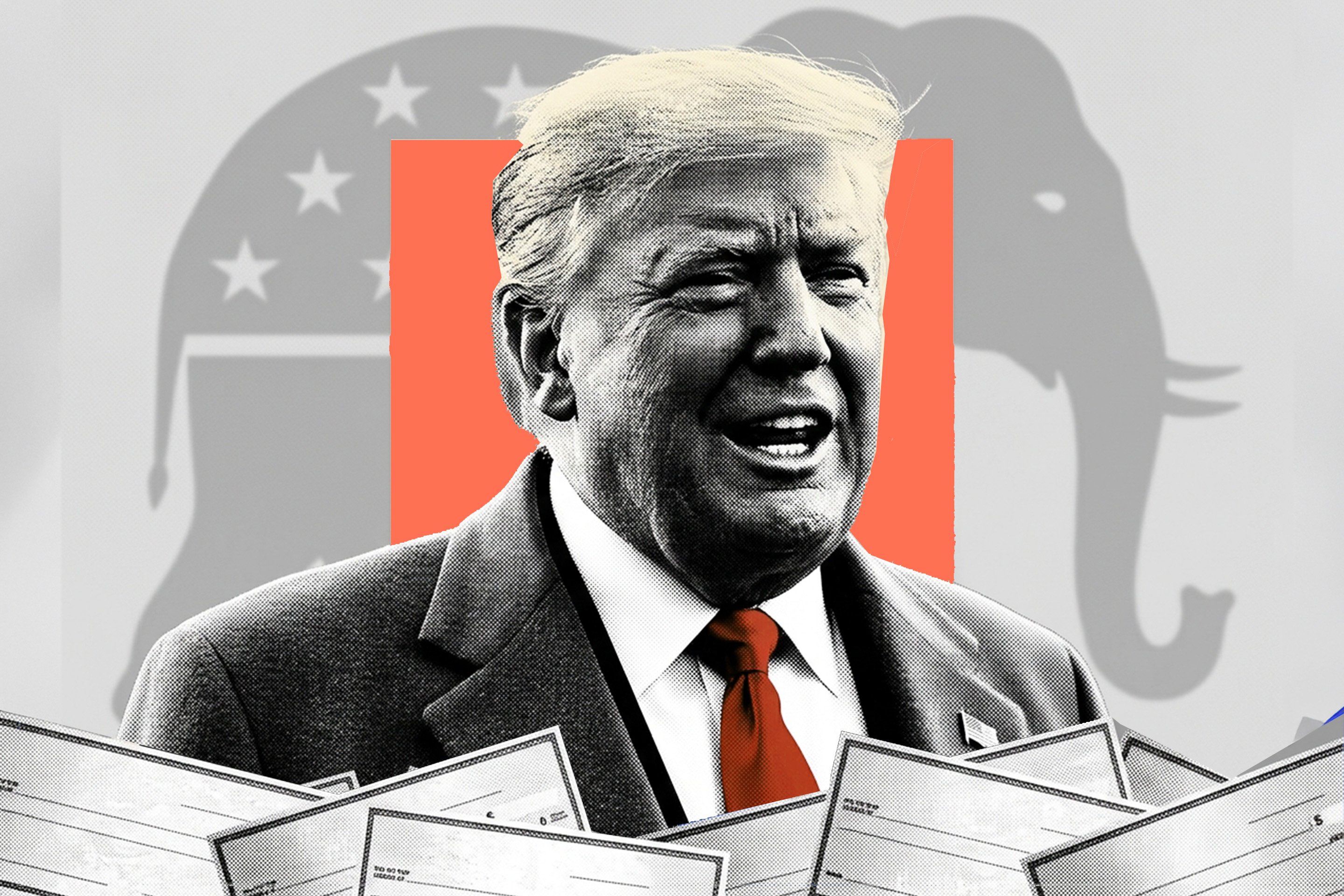
Donald Trump recently promised that Republicans would distribute $5,000 direct payments to Americans if the party swept the midterm elections. The pledge joins a growing list of unfulfilled political promises centered on direct cash transfers to voters.
Direct payments have become a common campaign promise since the COVID-19 pandemic delivered three rounds of federal stimulus checks between 2020 and 2021. Those checks ranged from $600 to $1,400 per person and reached millions of households. They created a template for politicians seeking voter support. Since then, however, most promises for additional direct payments have failed to materialize.
President Biden proposed recurring monthly payments and expanded child tax credits during his campaign. Congress passed an enhanced child tax credit as part of the American Rescue Plan in 2021, temporarily providing up to $3,600 per child annually. That program expired at the end of 2021. Recurring direct payments to all Americans never happened.
Other politicians from both parties have made similar promises. Andrew Yang built his 2020 presidential campaign around universal basic income, proposing $1,000 monthly payments. Stacey Abrams promised Georgia voters $500 rebate checks. Neither pledge came to fruition.
The gap between campaign promises and legislative reality reflects the difficulty of converting electoral promises into law. Direct payments require congressional approval and appropriation of funds. Republicans control the House of Representatives following the 2022 midterms, but the Democratic-controlled Senate and White House create gridlock. Even when one party controls both chambers, translating campaign rhetoric into budget legislation proves challenging.
The $5,000 Trump pledge faces similar obstacles. Republicans would need control of both chambers of Congress and the presidency to pass such legislation without Democratic votes. The program would cost roughly $1.6 trillion for a one-time payment to every American adult. That price tag makes passage unlikely without significant bipartisan support or economic circumstances that make such spending politically feasible.
Historical context matters here. Most federal stimulus spending occurs during genuine economic crises. The pandemic presented an unusual circumstance. Congress approved three stimulus packages totaling roughly $3 trillion in response to widespread business closures and unemployment. Normal political circumstances rarely justify comparable spending levels.
For voters evaluating Trump's promise, skepticism appears warranted. The track record of unfulfilled direct payment pledges runs long. Campaign promises and legislative reality operate in different universes. Politicians benefit from making generous-sounding offers during campaigns. Actually delivering requires navigating budget constraints, congressional opposition, and competing priorities.
Savers and workers hoping for additional direct payments should not adjust their financial plans based on these promises. Building emergency funds, maximizing retirement contributions, and paying down debt remain more reliable paths to financial security than betting on political promises. The stimulus checks during the pandemic represented extraordinary circumstances rather than a preview of regular government behavior.
The political environment continues to shift. Whether direct payments become a permanent policy tool or remain a pandemic-era anomaly depends on future elections, economic conditions, and congressional priorities. For now, treating such promises as aspirational rather than actionable guidance makes financial sense.