# Silver's Price Pullback Creates Buying Opportunity for Contrarian Investors
Silver surged earlier in 2024 but has since retreated from its peaks, cooling investor enthusiasm in the precious metal. A portfolio manager writing for Kiplinger argues this pullback creates genuine opportunity for investors willing to bet against current sentiment.
The shift reflects a broader pattern in commodity markets. Silver rose sharply in the first half of 2024, driven by industrial demand, jewelry purchases, and safe-haven buying. Retail investors chased the rally through silver ETFs and physical purchases. Then demand softened. Prices fell. The buying pressure evaporated almost as quickly as it arrived. Today, silver trades well below its early-year highs, and most casual investors have moved on to other assets.
For professional portfolio managers, however, this dynamic presents a different calculation. Lower prices can mean better value. The question becomes whether silver's fundamentals remain intact even if sentiment has turned negative. Industrial uses for silver haven't vanished. Solar panel manufacturers, electronics producers, and medical device makers still need the metal. Central banks and institutional investors still view precious metals as portfolio diversifiers and inflation hedges.
This contrarian approach differs sharply from trend-following strategies. Trend followers buy when prices rise and sell when they fall. Contrarian investors do the opposite. They accumulate assets after prices drop, betting that oversold sentiment will eventually reverse and prices will recover.
Silver presents specific advantages for this strategy. Unlike gold, which is primarily a store of value, silver has genuine industrial demand. About half of annual silver consumption comes from industrial applications. This dual nature means silver prices reflect both monetary factors (inflation expectations, interest rates, currency strength) and economic factors (manufacturing activity, construction, technology demand). When prices fall purely on sentiment, the industrial foundation remains.
The timing question matters here. Silver could fall further if economic growth slows or if industrial demand weakens. Investors considering entry points need conviction that they can hold through additional volatility. For portfolio managers with multi-year time horizons and sufficient capital, that conviction may justify accumulation at current levels.
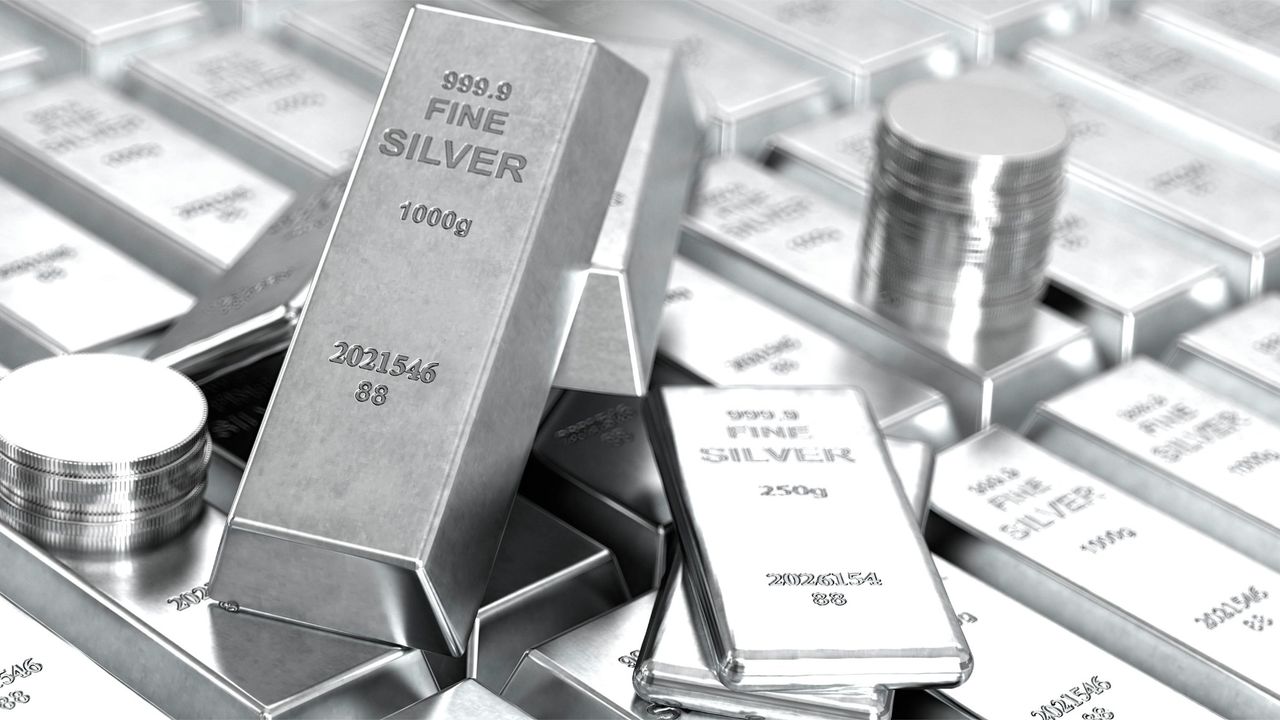
Investors interested in silver exposure have several options. Physical silver purchases through dealers add storage and insurance costs. Silver futures on the COMEX allow leveraged exposure but require active management and risk tolerance. Silver ETFs like iShares Silver Trust (SLV) and Sprott Physical Silver Trust (PSLV) offer simple, liquid access without storage headaches. Mining stocks through vehicles like the Global X Silver Miners ETF (SIL) provide leverage to silver prices plus equity returns.
For individual investors evaluating silver now, the key question is personal risk tolerance and time horizon. If you believe inflation will resurge, central banks will remain accommodative, or industrial demand will recover, lower prices represent better entry points than earlier peaks. If you're uncomfortable with commodity volatility or need funds within three to five years, waiting for clearer directional signals makes sense.
The portfolio manager's interest in silver at lower prices reflects market efficiency at work. When sentiment disconnects from fundamentals, opportunities emerge for disciplined investors willing to act contrarian.