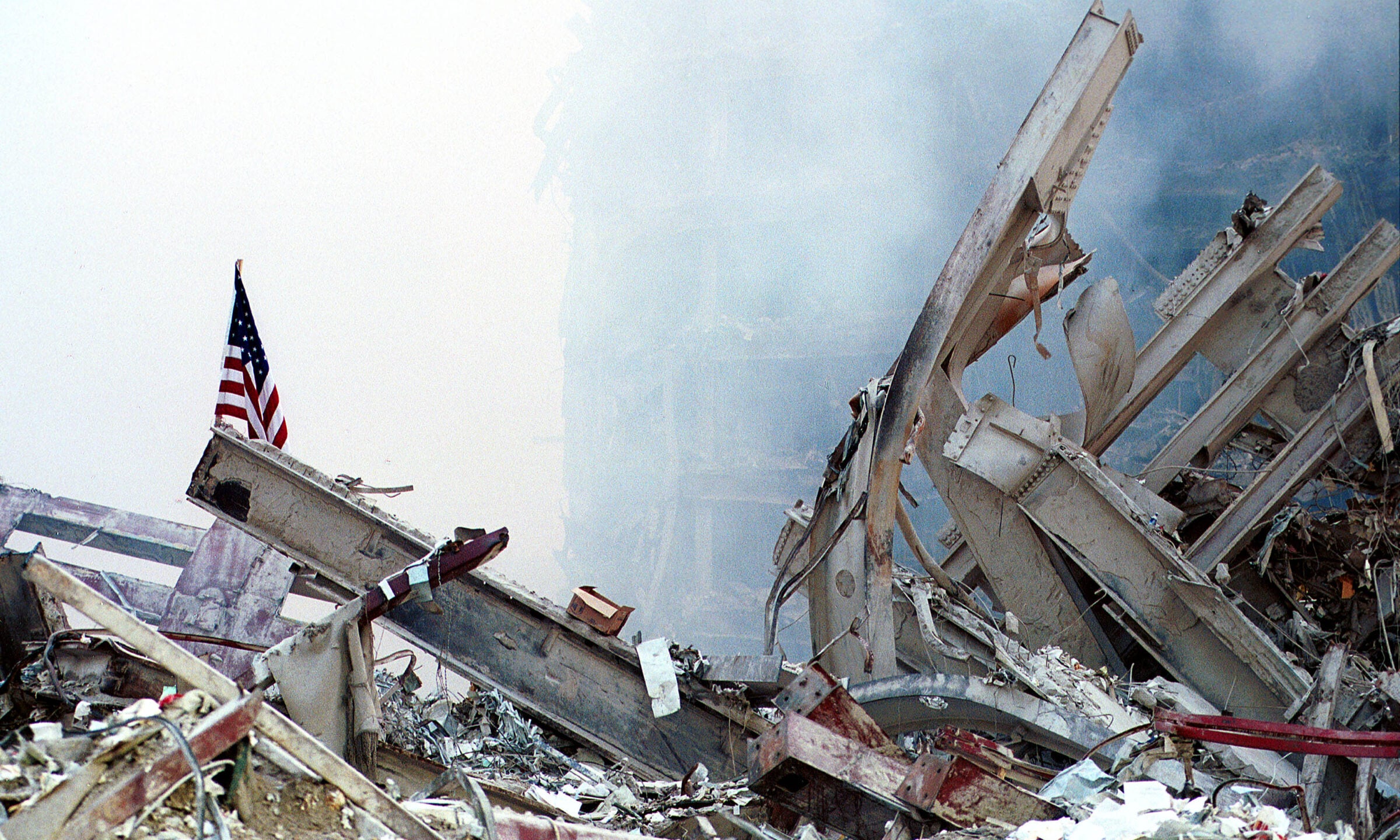
# Looking Back at the Economic Aftershocks of 9/11
The terrorist attacks on September 11, 2001, delivered a shock to the American economy that rippled across consumer spending, employment, and government budgets for years. While the immediate financial devastation centered on Lower Manhattan, the longer-term consequences remade entire sectors and shifted how households managed money.
Stock markets closed for four trading days after the attacks. When the New York Stock Exchange and NASDAQ reopened on September 17, the S&P 500 fell 11.6 percent in a single week. That marked the worst week for stocks since 1933. Investors fled to safety, pulling money from equities and piling into bonds and cash. The aerospace and airline industries faced near-collapse. Airlines lost an estimated $1.4 billion in the week following the attacks, and the government issued $5 billion in loans and $10 billion in guarantees to keep them flying.
Airlines implemented new security requirements that drove up operating costs permanently. Passengers faced longer check-in times and purchased fewer tickets. Major carriers like American Airlines and United Airlines shed thousands of jobs. The travel industry contracted sharply. Hotels, restaurants, and tourism-dependent businesses in New York City saw revenue plummet. The economic losses in Lower Manhattan stretched into the billions.
Federal spending exploded. Congress approved emergency supplemental appropriations totaling $40 billion for immediate recovery and response. The Department of Homeland Security was created in 2002, establishing a new permanent budget line that still costs taxpayers roughly $50 billion annually. Airport security became a federal operation. Defense spending accelerated. These expenditures increased national debt and shaped budget priorities for the next two decades.
Employment fell sharply. New York City alone lost 430,000 jobs in the months following the attacks, with unemployment spiking from 5 percent to above 8 percent in some quarters. The construction industry hired heavily for rebuilding efforts, partially offsetting losses elsewhere. However, lower-income workers in service industries bore the brunt of layoffs.
Consumer behavior shifted. Americans cut back on discretionary spending, particularly travel and entertainment. Home purchases slowed. Credit card debt rose as households relied on borrowing to maintain consumption. The Federal Reserve slashed interest rates to stimulate the economy, cutting the federal funds rate from 6.5 percent to 1 percent by 2003. This cheap money policy contributed to the housing bubble that would crash in 2008.
Insurance premiums spiked across the board. Life insurance and disability insurance costs climbed. Property insurance in New York City became more expensive. Airlines faced aviation liability insurance costs that made business models unsustainable until the government stepped in.
The attacks permanently altered personal finance decisions. Household emergency funds became standard wisdom rather than optional. Workplace benefits like life insurance and disability coverage gained urgency. Families reassessed retirement planning in the context of economic volatility.
The 9/11 economic aftermath proves that financial shocks extend well beyond initial impact. Supply chains break. Employment patterns shift. Government policy hardens into permanent infrastructure. Consumer confidence erodes slowly and recovers slowly. The attacks killed roughly 3,000 people but sent shockwaves through the economy that affected tens of millions of households.