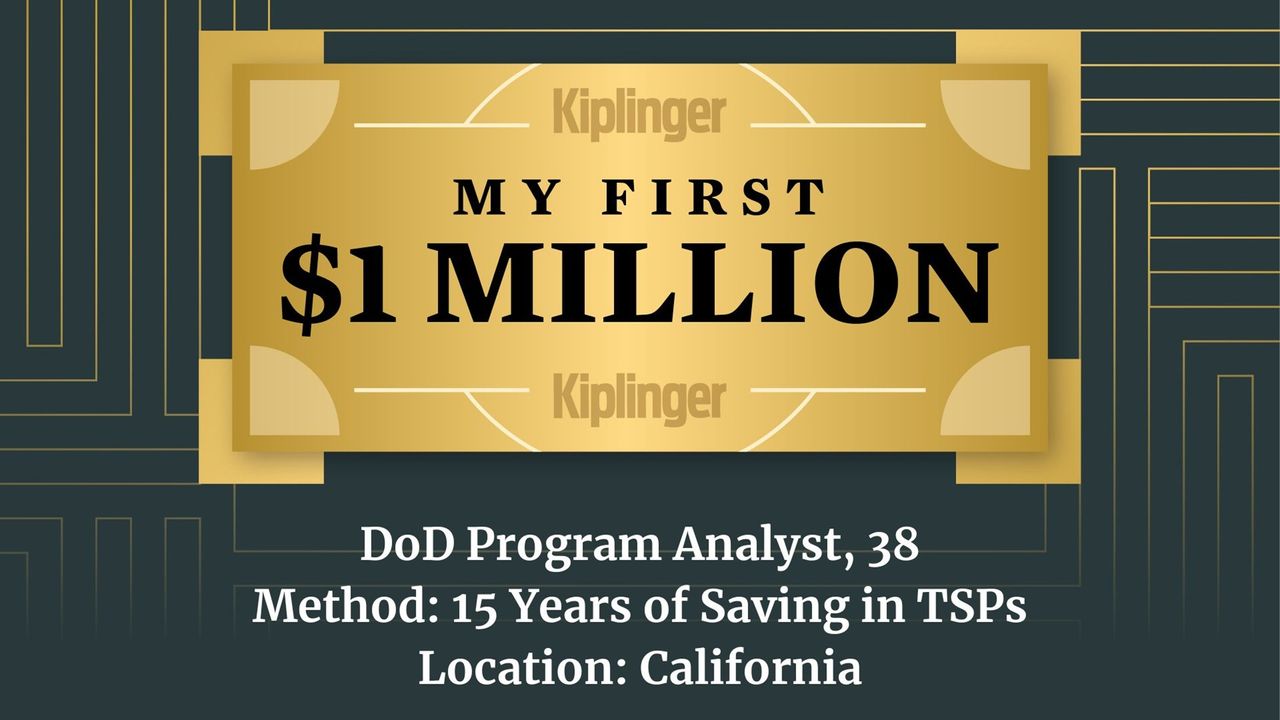
# How a Defense Department Analyst Built $1 Million by Age 38 in California
A 38-year-old Department of Defense program analyst in California has reached the $1 million net worth milestone, a goal most Americans never achieve. The path forward involved deliberate spending choices, disciplined saving, and strategic use of federal employee benefits.
Federal employees occupy a unique position in the wealth-building landscape. They typically earn stable middle-class salaries, access to defined-benefit pensions, and employer matching contributions to Thrift Savings Plans (TSP), the government's 401(k) equivalent. This DoD analyst leveraged all three components.
The Thrift Savings Plan offers five core investment options: government securities fund (G Fund), fixed income index (F Fund), common stock index (C Fund), small-cap index (S Fund), and international stock index (I Fund). Federal employees can contribute up to $23,500 annually to TSP (2024 limit), and the government typically matches 5 percent of salary automatically. Over 15 to 20 years of consistent contributions, this compounds substantially.
The analyst's success also reflects a deliberate lifestyle choice. Living in California, one of the nation's highest-cost states, requires intentional financial discipline. Reaching $1 million here means earning, saving, and investing substantially more than peers in lower-cost regions. The focus on family experiences rather than material consumption suggests the analyst prioritized time with children during their formative years.
Pension eligibility for federal employees typically vests after five years of service, and full retirement benefits become available at ages 56-62 depending on the employee's service length and birth year. This guaranteed income stream in retirement reduces pressure to accumulate an enormous nest egg before leaving the workforce.
The transition from working toward $1 million to managing it presents new challenges. Federal retirees must coordinate their pensions with Social Security, manage healthcare coverage through Federal Employees Health Benefits (FEHB) before Medicare eligibility at 65, and plan tax-efficient withdrawals from TSP accounts. Required minimum distributions don't apply to TSP accounts while still employed, but withdrawals trigger ordinary income taxes at federal and California state rates.
For federal employees earning between $80,000 and $120,000 annually, typical salary ranges for program analysts, reaching $1 million typically requires 20 to 25 years. This analyst may have started in their mid-teens in the workforce, enjoyed promotions, or benefited from a spouse's income.
The comment about making memories while children remain teenagers reflects a larger wealth-building philosophy often overlooked in personal finance. Building wealth serves a purpose beyond the number itself. This DoD analyst chose to deploy that wealth intentionally, spending on experiences with family rather than deferring life until retirement.
Federal employees considering similar paths should maximize TSP contributions early, understand the pension formula for their specific retirement tier (FERS vs. CSRS), and maintain consistent investment discipline through market downturns. The combination of steady income, employer matching, and decades of compound growth creates wealth systematically rather than through luck or risk-taking.