# 5 Hidden Signs of Heat Damage Around Your Home
Heat causes real damage to homes, yet most homeowners focus solely on winter freeze damage. Extreme temperatures, prolonged sun exposure, and sustained high heat wreak havoc on foundations, roofing, siding, plumbing, and interior spaces. Spotting these problems early saves thousands in repair costs.
**Foundation and concrete cracks expand in heat**
Heat makes concrete and foundation materials expand. When temperatures spike, your foundation shifts slightly. Over years or even months of extreme heat cycles, small cracks widen into serious structural problems. Check basement and crawlspace walls for new or widening cracks. Pay attention to doors and windows that suddenly stick or won't close properly. These binding problems indicate foundation movement from thermal stress.
**Roof damage accelerates under prolonged heat**
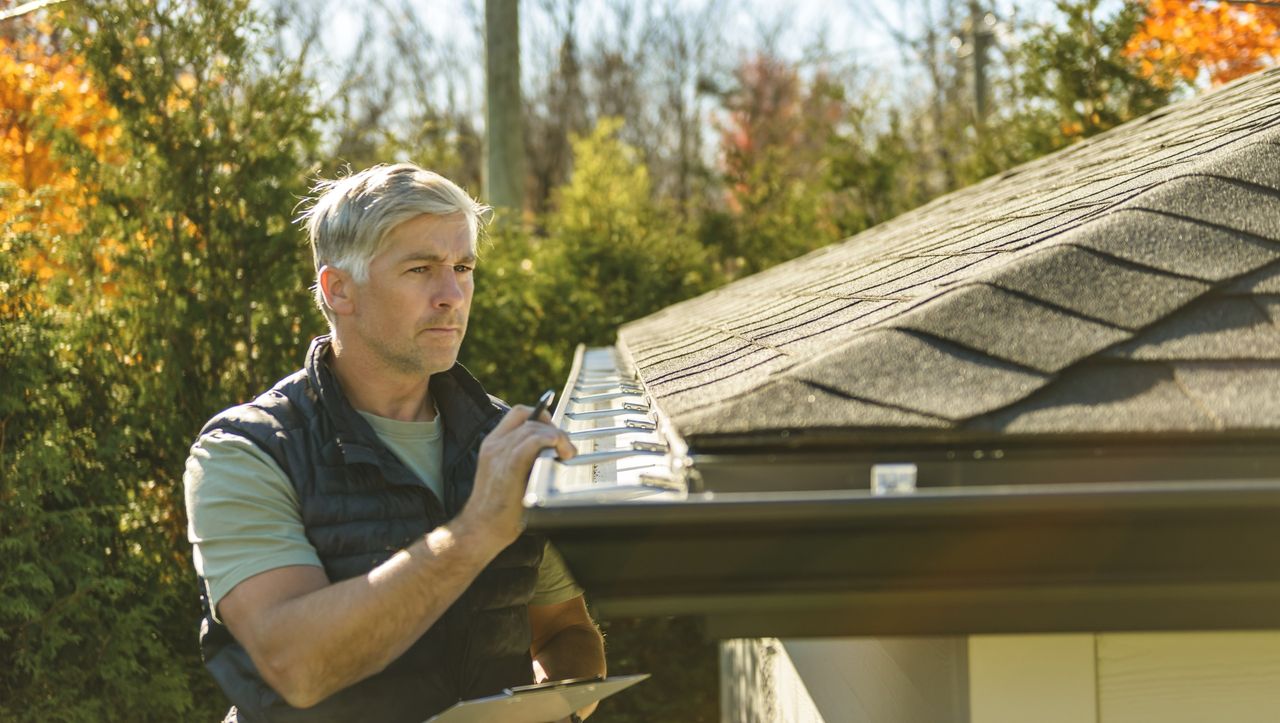
Asphalt shingles soften in intense heat, losing their structural integrity. Shingles curl, buckle, or separate at the seams when exposed to sustained high temperatures. Look at your roof from the street or with binoculars. Missing granules (the sandy coating on shingles) appear as bare spots. Inspect gutters for excessive granule debris. Roof leaks often follow curled shingles by months, so catching curling early prevents water damage inside attics and ceilings.
**Siding warps and gaps widen**
Wood and vinyl siding expand when hot, then contract when cool. This daily expansion and contraction over months creates permanent warping. Gaps appear between siding boards and at corners. Water penetrates these gaps, causing rot behind the siding. Caulk that sealed these gaps hardens in heat and cracks, losing its waterproofing function.
**Plumbing connections fail prematurely**
Copper pipes and plastic PVC both expand in heat. Solder joints that connect copper pipes can crack from the stress of repeated expansion and contraction. Plastic supply lines become brittle and fail. Check under sinks and in basements for slow leaks around connection points. A small drip today becomes a major leak or burst pipe within months.
**Paint peels and finishes deteriorate**
Exterior paint fails faster in heat-heavy climates. UV rays break down paint binders while heat accelerates moisture movement through walls. Paint blisters and peels, exposing bare wood to further damage. Interior paint can also fade and crack on sun-facing walls. Check south and west-facing walls first, as they receive the most intense afternoon sun.
**What to do now**
Walk your property quarterly, especially after heat waves or sustained high temperatures. Document any changes with photos. Caulk and seal gaps in siding before they widen. Have roofs inspected annually in hot climates. Consider reflective roof coatings that reduce heat absorption. Trim tree branches shading foundations and exterior walls to improve air circulation and reduce moisture problems.
Heat damage compounds over years. Small problems ignored become expensive repairs. Homeowners in Phoenix, Las Vegas, Houston, and similar hot climates should prioritize heat damage inspections as part of routine home maintenance, not an afterthought.