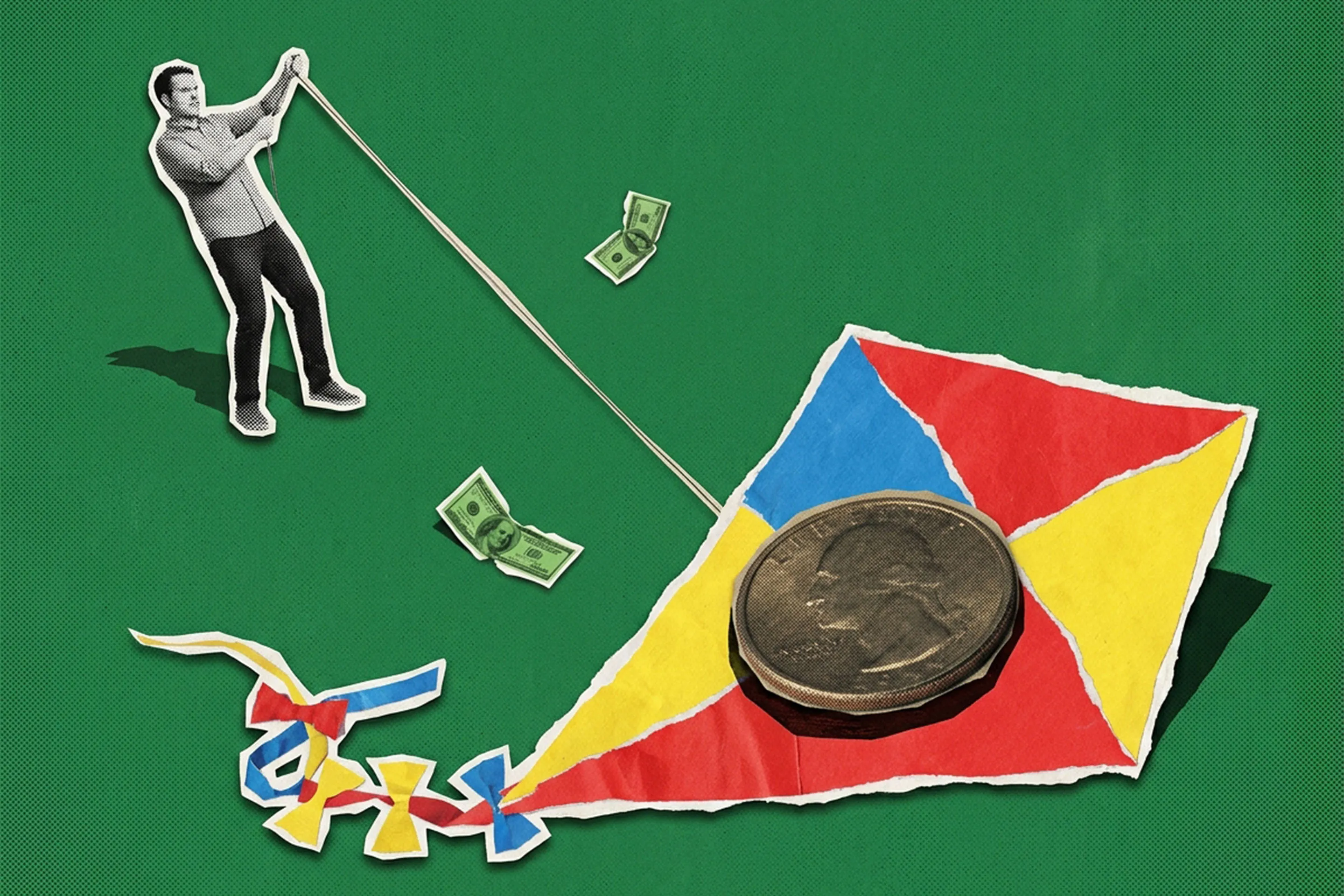
# Just 15% of Americans Find 'Joy' Affordable in Today's Economy
A stark reality emerges from recent data. Only 15 percent of Americans believe they can afford discretionary spending on entertainment, hobbies, and leisure activities. This represents a significant tightening of household budgets across income levels, driven by persistent inflation, rising housing costs, and stagnant wage growth relative to living expenses.
The squeeze on joy spending reflects broader economic pressures. Americans juggle higher grocery bills, elevated mortgage and rent payments, and increased costs for utilities and transportation. Credit card debt has climbed to record levels as households stretch borrowed money to cover basic needs. When discretionary funds dry up, entertainment and hobbies become luxuries many cannot access.
This budget crunch hits differently depending on income. Middle-income households report cutting entertainment spending first when money tightens. Lower-income families face even steeper trade-offs, often choosing between utility payments and any leisure activity. Even higher earners report skipping vacations or reducing concert attendance and dining out.
The psychological toll matters. Financial research links recreational spending to mental health and life satisfaction. When budgets collapse to survival mode, stress and anxiety increase. Relationships suffer. Quality of life drops noticeably.
Building affordable joy requires intentional strategies. Start by auditing where money actually goes. Many people discover subscriptions they forgot about, streaming services they don't use, and recurring charges that vanish unnoticed. Canceling unused subscriptions frees $20 to $50 monthly for activities you genuinely enjoy.
Reframe entertainment around free or low-cost options. Parks, hiking trails, library programs, community centers, and local festivals cost little to nothing. Many museums offer pay-what-you-wish hours. Online content libraries provide endless entertainment for the price of a single subscription. These alternatives don't require elaborate planning or expensive gear.
Look at spending categories through a different lens. Instead of expensive restaurants, cook special meals at home. Skip concert tickets in favor of live music at local venues or street performances. Trade vacation flights for day trips within driving distance. The satisfaction often comes from the experience and time with people you care about, not the price tag.
Set a specific joy budget within your overall spending plan. Even modest amounts matter. Setting aside $50 monthly for entertainment remains realistic for most households, though it requires cutting elsewhere. Treat this budget line as non-negotiable, like insurance or utilities. Without intentional allocation, joy spending evaporates entirely.
Consider bundling joy with necessity. Invite friends to a potluck instead of restaurant dinner. Exercise outdoors rather than gym memberships. Host game nights instead of concerts. These approaches lower costs while maintaining social connection.
The data reveals a genuine problem. Americans need relief from the relentless pressure of survival budgeting. While personal strategies help, the underlying issue remains systemic. Until wages catch up with living costs, joy will remain out of reach for most households. In the meantime, creativity and intentionality can carve out small pockets of affordable happiness within constrained budgets.