# Trump Says AI Data Centers Make Towns 'Rich.' Here's How They Actually Affect Property Taxes
President Trump recently praised artificial intelligence data centers as economic engines that would make American towns wealthy. The pitch sounds appealing. Corporate investment, jobs, infrastructure upgrades. Reality turns out more complicated.
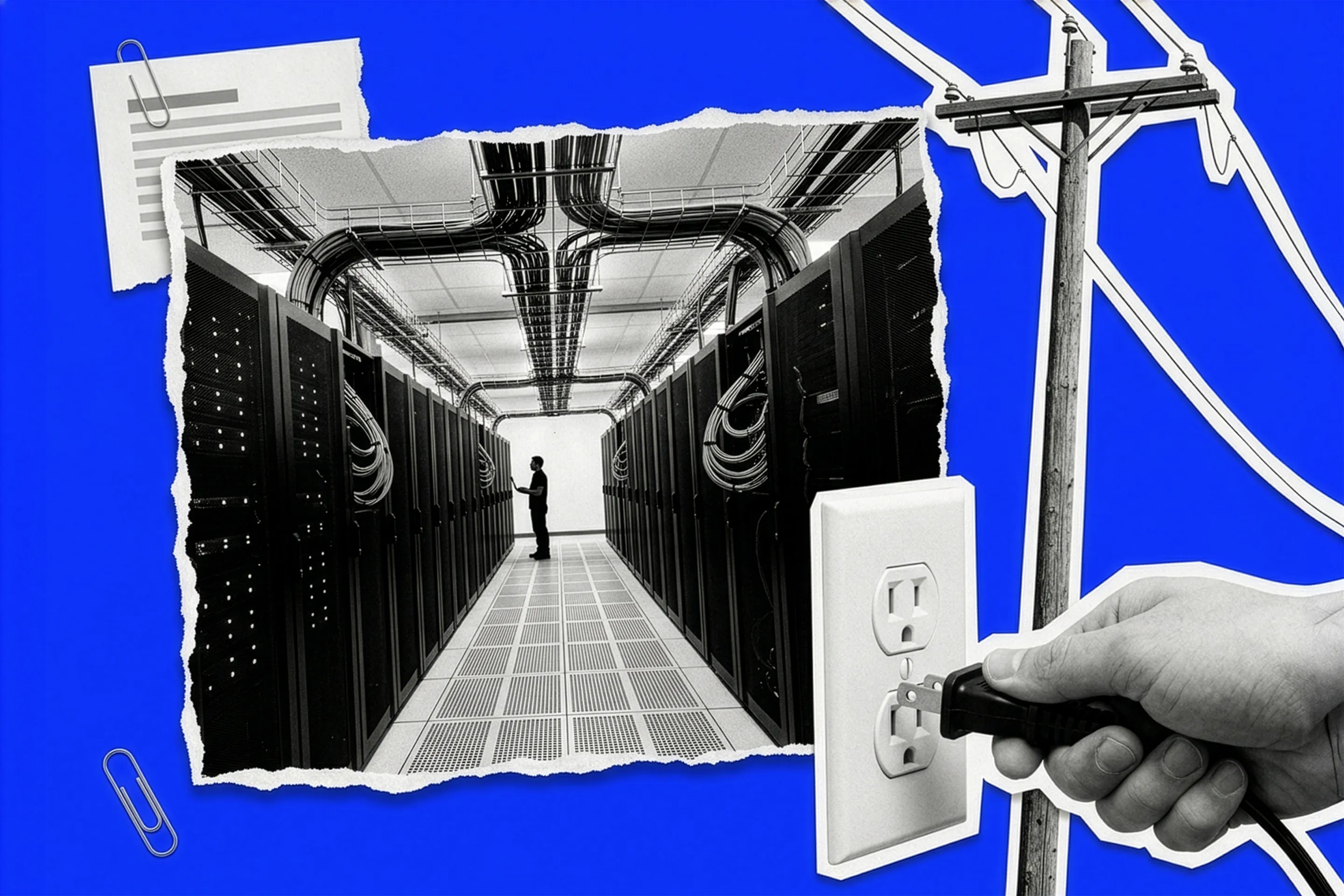
AI data centers do bring revenue to local governments. These massive facilities consume enormous amounts of electricity and physical land. States and municipalities collect taxes on both the equipment and the real estate. Some towns have negotiated lucrative deals. But whether average residents actually come out ahead depends entirely on local tax policy and how municipalities spend the money.
The property tax angle matters most for homeowners. When a large data center arrives, it increases the overall property tax base. That should theoretically lower the tax rate for everyone else. In practice, tax assessors often increase rates simultaneously. Property owners end up paying more even if the rate drops slightly. Towns often use new revenue to expand services rather than cut taxes.
Equipment taxes tell a different story. Data centers contain expensive servers, cooling systems, and networking gear. States tax these assets at varying rates. Some offer substantial abatements. Tax incentives designed to attract data centers can reduce municipal revenue significantly. A facility that promised $5 million annually might deliver $2 million after breaks expire.
Employment benefits prove harder to quantify. Data centers hire relatively few permanent workers compared to their footprint. A 100,000-square-foot facility might employ 50 to 100 people. Construction creates temporary jobs. Ongoing operations require mostly specialized technicians. Local residents without tech skills find limited opportunity. Workers often relocate from elsewhere, adding demand for housing and schools without proportional tax revenue.
Housing presents the real wildcard. Influxes of corporate workers drive up residential property values and rental costs. Existing homeowners gain paper wealth. Renters and first-time buyers face steeper costs. School districts receive higher assessed property values but not necessarily higher state funding. They may struggle to cover infrastructure needs despite appearing wealthier on paper.
Different states structure these arrangements differently. Indiana offers aggressive tax abatements. Texas collects equipment taxes but exempts some facilities. New York has experimented with stricter terms. A deal that benefits upstate New York residents might hurt those in Indiana.
The transparency problem cuts deep. Most negotiations happen behind closed doors. Towns rarely publish full cost-benefit analyses. Developers claim confidentiality. Residents vote for officials who negotiate these deals yet rarely understand the actual terms.
What residents should demand: full disclosure of tax rates, abatement periods, and employment requirements. They should ask whether the property tax base grows faster than service demands. They should question whether per-student spending and road maintenance actually improve.
Some towns benefit enormously. Others collect relatively little while absorbing housing pressure and infrastructure strain. Trump's claim that data centers make towns uniformly rich oversimplifies a complex, locally specific calculation. The answer to whether your town gets richer depends on your mayor's negotiating skills, your state's tax code, and whether local officials choose to spend new revenue wisely or simply maintain tax rates while pocketing the difference.