# Bond Yields Push Stock Markets Lower as Energy Pressures Persist
The Dow Jones Industrial Average dropped 419 points today, with rising bond yields serving as the primary headwind for equities. The decline reflects broader market concerns about persistent energy challenges that show no signs of abating in the near term.
Bond yields climbed higher as investors reassess their outlook for inflation and interest rates. When bond yields rise, bonds become more attractive relative to stocks, prompting investors to shift capital out of equity positions. This reallocation pressure hit the blue-chip index particularly hard, with the Dow's decline marking a meaningful pullback from recent highs.
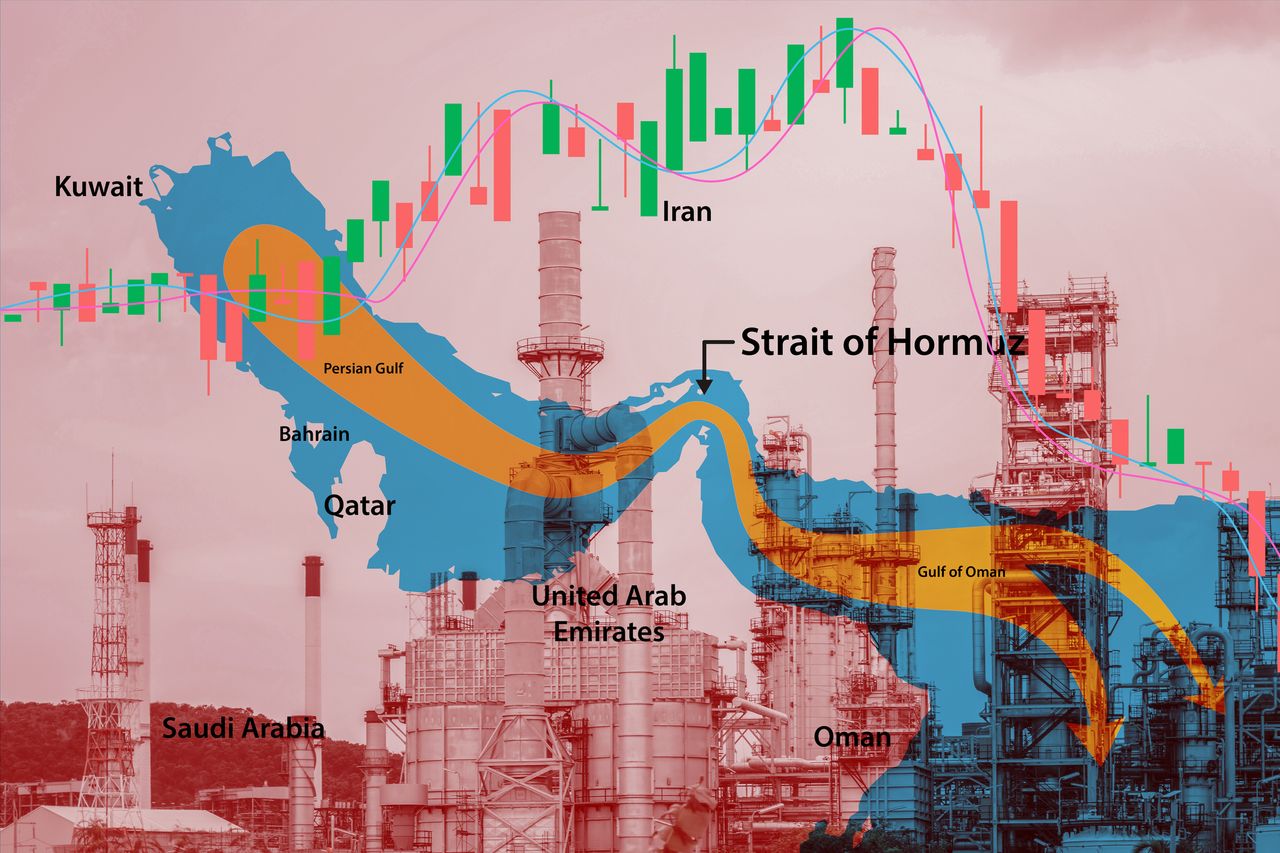
The energy sector remains a persistent source of market anxiety. Supply constraints, geopolitical tensions, and global demand patterns continue to exert upward pressure on crude oil and natural gas prices. For equity investors, elevated energy costs translate into higher operating expenses for companies across multiple sectors, from transportation and manufacturing to utilities and consumer goods. This squeeze on corporate profit margins weighs on stock valuations and investor sentiment.
The relationship between energy prices and bond yields creates a reinforcing cycle of concern. Higher energy costs fuel inflation expectations, which push central banks toward maintaining elevated interest rates longer than markets initially anticipated. Higher rates make future corporate earnings less valuable when discounted back to present value, depressing stock prices today. Meanwhile, bond investors lock in higher yields, making fixed-income investments more competitive against equities.
For individual investors holding stock portfolios, the message is clear: expect continued volatility in the near term. The combination of energy headwinds and rising yield pressures creates a difficult backdrop for equity valuations. Growth stocks prove particularly vulnerable to rising rates, since their returns depend heavily on future earnings that get discounted at higher rates.
Savers considering their cash allocation strategies should note that rising bond yields do offer one silver lining. High-yield savings accounts, money market funds, and short-term Treasury bills now deliver more attractive returns than they did six months ago. A money market fund yielding 5% or higher now looks reasonable compared to the sub-1% rates available in early 2022. This shift makes it worth revisiting your emergency fund placement and short-term savings strategy.
Long-term investors should resist the temptation to panic-sell based on daily market swings. Market corrections often present buying opportunities, particularly for diversified index funds and target-date retirement funds. Dollar-cost averaging through automated investment plans helps smooth out volatility over time.
The Dow's decline today reflects real economic pressures, not mere sentiment. Energy prices affect everything from your grocery bill to your heating costs. Rising bond yields represent the market's assessment of where interest rates should trade. Both factors deserve attention in your overall financial plan, but neither justifies abandoning a disciplined, long-term investment approach tailored to your risk tolerance and time horizon.