# What Dolly Parton's Business Legacy Teaches Everyday Savers About Real Wealth
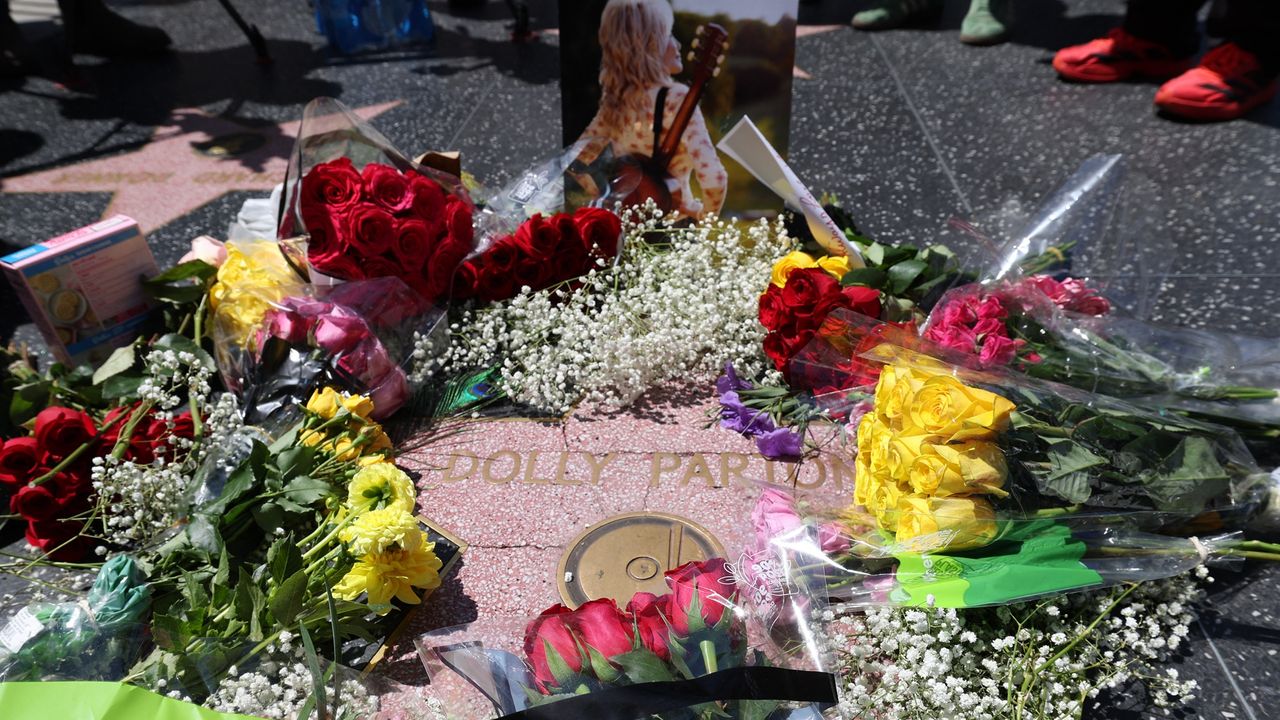
Dolly Parton died in November 2023 at age 78, leaving behind not just a music catalog worth an estimated $350 million, but a blueprint for wealth-building that reaches far beyond net worth statements. Her approach to money reveals practical lessons that ordinary savers and investors can apply to their own financial lives.
Parton's first lesson centers on ownership. Unlike many recording artists who sign away rights to labels, Parton retained control of her music publishing and business ventures. She owned Dolly Parton Enterprises and Dollywood, the Tennessee theme park that generates substantial annual revenue. For everyday investors, this translates to a simple principle: understand what you own and keep control of your assets whenever possible. Whether that means choosing individual stocks over mutual funds or maintaining equity in a side business rather than selling it outright, ownership creates long-term wealth.
Her second teaching involves purpose-driven spending. Parton donated an estimated $40 million to charitable causes during her lifetime, including $1 million to Vanderbilt University for COVID-19 research. She didn't view charitable giving as something to do after accumulating wealth. Instead, she integrated generosity into her financial strategy from early in her career. For savers, this suggests building giving into a budget from the start rather than treating charity as an afterthought once you reach a target net worth.
Parton also demonstrated resilience through financial setbacks. She filed for bankruptcy in 1973 after a failed marriage and business ventures, yet rebuilt her empire. She continued recording, performing, and investing in new projects without shame or retreat. For investors, her example validates the reality that financial failure is often temporary and recoverable. Market downturns, job loss, or bad investments need not derail long-term wealth building.
Her diversification strategy stands out as particularly modern. Parton didn't rely solely on music royalties. She built revenue streams through television, film acting, theme park operations, and product endorsements. She invested her earnings into real estate and business ventures beyond entertainment. Contemporary wealth-builders can apply this principle by developing multiple income sources and avoiding over-concentration in a single asset or sector.
Parton's courage in making unconventional business decisions offers another lesson. She turned down a Recording Industry Association of America award, rejected a Grammy nomination, and made career choices based on personal values rather than industry expectations. While those decisions seemed risky at the time, they strengthened her brand and personal satisfaction. Savers benefit from similar conviction when making financial choices that align with their values, even when peers follow different paths.
Finally, Parton understood that wealth serves a purpose beyond personal consumption. She leveraged her success to build Dollywood into a major regional employer, created the Imagination Library to distribute free books to children, and used her platform for social causes. This integration of wealth and purpose provided her with meaning that likely contributed to her financial discipline and long-term vision.
For savers and investors reviewing their own financial plans, Parton's life suggests that sustainable wealth building requires ownership, diversification, purposeful spending, resilience through setbacks, and alignment between money and values. Her legacy proves that the wealthiest outcome comes not from maximizing dollars alone, but from building a life where financial success enables the impact you want to create.